Social anxiety disorder (SAD) is a highly prevalent psychiatric disorder that presents
with an early age of onset, chronic disease course, and increased risk of psychiatric
comorbidity. Current treatment options for SAD are associated with low response rates,
suboptimal efficacy, and possible risk of adverse effects. Investigation of new neurobiological
mechanisms may aid in the identification of more specific therapeutic targets for
the treatment of this disorder. Emerging evidence suggests that the endogenous cannabinoid
system, also referred to as the endocannabinoid system (ECS), could play a potential
role in the pathophysiology of SAD. This review discusses the known pathophysiological
mechanisms of SAD, the potential role of the ECS in this disorder, current drugs targeting
the ECS, and the potential of these novel compounds to enhance the therapeutic armamentarium
for SAD. Further investigational efforts, specifically in human populations, are warranted
to improve our knowledge of the ECS in SAD.
Keywords: Social phobia; endocannabinoids; drug therapy; neurosciences; psychiatry.
FIGURES
Received: March 31 2021; Accepted: June 15 2021
INTRODUCTION
Social anxiety disorder (SAD) is characterized by an excessive fear or anxiety of
social situations wherein affected individuals worry they may behave in a manner that
could lead to embarrassment, humiliation, or rejection by others.1 These fears may be restricted to performance-like situations, such as public speaking,
but may also include more widespread social interactions, such as initiating a conversation
or socializing at a gathering. As such, affected individuals typically avoid anxiety-provoking
social stimuli.1 This enduring anxiety and avoidance often results in clinically significant psychosocial
impairment, which interferes with the person's daily routines, social engagements,
relationships, occupation, and/or academic functioning.2,3
SAD is a highly prevalent, predominately youth-onset disorder which may affect 12.1%
of individuals in the general population at least once in their lifetime.3,4 This disorder has a higher prevalence among females, often follows a chronic course,
and has increased comorbidity with other psychiatric disorders.3 Common coexisting health conditions include major depressive disorder, generalized
anxiety disorder, agoraphobia, substance use disorders, and increased rates of suicidal
ideation, as well as physical health concerns such as cardiovascular disease.3,5 Individuals with SAD report higher unemployment rates, lower income, and greater
financial dependency compared to those without SAD.3,6 Despite the significant socioeconomic costs and reduced quality of life associated
with the disorder, only 35% of respondents with lifelong SAD reported seeking treatment
specifically for social anxiety.6
In terms of treatment, cognitive behavioral therapy (CBT) serves as a first-line psychotherapy
approach for anxiety disorders.2 A 2018 meta-analysis reported a pre-post CBT effect size of d = 1.37, compared to
effect sizes of d = 1.33 for other psychotherapies and d = 0.88 for psychological
or pill placebo.7 Pharmacological treatment with selective serotonin reuptake inhibitors (SSRIs) and
serotonin-noradrenaline reuptake inhibitors (SNRIs) has also been demonstrated to
yield clinical improvement in SAD patients.8,9 A 2019 meta-analysis examining 23 randomized-controlled SAD studies reported a standardized
mean difference of 0.66 and 0.67 with respect to the measured treatment benefit of
SSRIs and SNRIs compared to placebo.9 A moderate response has been described for treatment with benzodiazepines, although
these drugs have been associated with multiple adverse effects, including physiological
dependence, withdrawal symptoms, and impaired cognition when used over longer periods
of time.8,10 Anticonvulsants (pregabalin and gabapentin), monoamine oxidase inhibitors (MAOIs),
reversible inhibitors of monoamine oxidase A, and tricyclic antidepressants (TCAs)
have also demonstrated efficacy in the treatment of SAD.8 MAOIs and TCAs carry a higher risk of severe adverse effects and interactions (for
MAOIs, e.g., hypertension, serotonin syndrome, potentially dangerous interactions
with other antidepressants or food requiring specific dietary restrictions; for TCAs,
e.g., anticholinergic effects, cardiac adverse effects) compared to newer antidepressants
such as SSRIs and SNRIs.8
Overall, current therapeutic options demonstrate suboptimal response rates, limited
efficacy, and include risk for potentially severe side effects with certain medications,
such as benzodiazepines or MAOIs. The relative paucity of effective treatments for
this disorder may be partly due to our limited understanding of the pathophysiology
of SAD, despite research efforts implicating several biological systems. Investigation
of new neurobiological mechanisms may facilitate the discovery of more specific therapeutic
targets for SAD and could aid in the future identification of biomarkers. One notable
target includes the endogenous cannabinoid system (ECS), which emerging evidence suggests
may mediate aspects of anxiety and social behavior.11,12
This article aims to provide a narrative summary of the pathophysiological mechanisms
involved in SAD, give an overview of the potential pathophysiological role of the
ECS in SAD, and discuss future research directions and potential therapeutic agents
for SAD targeting the ECS.
KNOWN PATHOPHYSIOLOGICAL MECHANISMS OF SAD
Behavioral inhibition and neurocircuitry in SAD
Behavioral inhibition (BI), described as a childhood tendency to withdraw from unfamiliar
situations, people and environments,13 has been associated with the development of SAD across several prospective studies.14-17 A 2020 meta-analysis found that behaviorally inhibited children had significantly
increased odds of developing SAD (odds ratio = 5.84), indicating that childhood BI
may be a risk factor/predictor of the disorder.18,19 One hypothesis suggests that BI is associated with either a lower threshold for or
a stronger response to the detection of novel, salient, or threatening information,
thereby implicating disruptions in certain neural circuitry.20 This is supported by studies which found that individuals with a childhood history
of BI exhibit a greater striatal response to reward21-23 and punishment24 cues, as well as heightened activity in regions including the prefrontal cortex (PFC)24,25 and anterior cingulate cortex (ACC).26 Greater amygdala reactivity to novel stimuli has also been reported in adolescents
and adults who exhibited BI during childhood.27-29
These findings fall in line with those of functional imaging studies in persons with
SAD. Results from such studies consistently demonstrate abnormal activity in regions
including the amygdala, insula, PFC, and ACC, dubbed the "corticolimbic circuit."30 Notably, heightened amygdalar and insular activities have been observed in response
to performing stressful social tasks31-34 or viewing negative facial expressions,33-36 which in some studies has also correlated positively with the severity of SAD symptoms.37-39 Although less consistent in direction, abnormal activity has also been reported in
the PFC and ACC of subjects with SAD compared to controls.32-34,40 Collectively, these findings suggest that the neurobiology of childhood BI may be
associated with corticolimbic disruptions contributing to the development of SAD.
Neurotransmitter systems in SAD
The monoamine hypothesis and pharmacological approaches suggest that the neurobiologies
of depression and anxiety share imbalances in the monoaminergic neurotransmission
system.41 In this regard, neuro-molecular positron emission tomography (PET) and single photon
emission computed tomography (SPECT) studies in SAD have largely focused on imaging
serotonergic and dopaminergic neurotransmission, based on the reported efficacy of
antidepressants.41,42
Two PET studies examining presynaptic serotoninergic activity found elevated rates
of serotonin synthesis in the hippocampus, basal ganglia, amygdala, and ACC of individuals
with SAD.43,44 Additionally, three studies employing two different tracers ([C-11]DASB PET44,45 and [I-123]-ß-CIT SPECT46) reported higher serotonin receptor binding potential (a measure of receptor expression)
within the raphe nuclei,44 caudate nucleus,44 insular cortex,44 nucleus accumbens,45 and thalamus.44,46 Only one study investigated postsynaptic serotonergic function in SAD, in which PET
imaging of [carbonyl-C-11]WAY-100635 demonstrated significantly reduced serotonin
1A receptor binding potential in the amygdala, insula, and ACC of patients with SAD.47
Imaging of dopaminergic systems has produced less consistent results. Three studies
employing [I-123]-ß-CIT SPECT reported either an increase,46 decrease,48 or no difference49 in dopamine transporter binding in the striatum. As suggested by Schneier et al.,49 these discrepancies could possibly be due to small sample sizes (n=12) or differences
in SPECT assessment methods (receptor blocking compound, identification of volumes
of interest or reference regions). Another SPECT study reported significantly reduced
dopamine D2/D3 receptor binding potential in the striatum of patients with SAD and
comorbid obsessive-compulsive disorder compared to healthy controls.50 However, the same group found no difference in striatal dopamine D2/D3 receptor binding
in a subsequent PET study, which employed a more reliable dopamine measurement technique
and used a larger SAD sample size (n=17).49 The latter study also reported a decrease in striatal dopamine D2/D3 receptor binding
following an amphetamine challenge. Some of the observed differences may be due to
variations in age range, symptom severity, treatments, and disease duration of the
study cohorts, as well as varying strengths and limitations of the different imaging
techniques and tracers employed in the aforementioned studies. While some of these
findings suggest that serotonergic and dopaminergic activity may play a role in SAD,
the limited and inconsistent results warrant further investigation to better understand
the role of these neurotransmitter systems in SAD pathophysiology.
The hypothalamic-pituitary-adrenal axis in SAD
It has been well established that the hypothalamic-pituitary-adrenal (HPA) axis plays
a major role in stress regulation.51,52 Activation of the HPA axis leads to increased corticotropin-releasing-hormone (CRH)
signaling in the limbic forebrain, which, in turn, stimulates the downstream release
of cortisol.52 While acute stress leads to adaptive activation of the HPA axis with a transient
increase in cortisol,53 chronic stress can result in prolonged activation of the HPA axis via dysregulation
of glucocorticoid-mediated feedback inhibition.54 These disruptive processes may affect the coping mechanisms established by CRH systems,
leading to chronic symptoms of fear and anxiety.51,54
Previous studies have demonstrated that individuals with SAD had significantly elevated
social stressor-induced cortisol levels compared to controls.55-57 However, these findings are not consistent: other studies employing similar stress
paradigms found no significant difference in cortisol levels.58-60 These discrepancies may be due to variable length of stressor exposure, perception
of risk posed by the stressor, comorbidities, or age, which are known to influence
cortisol response.57,61 Interestingly, emerging evidence suggests that the ECS may contribute to the regulation
of HPA axis activity.52 As such, improved understanding of ECS processes may provide insight into the possible
aberrations in the HPA axis stress response involved in the pathophysiology of SAD.
THE ENDOCANNABINOID SYSTEM
The ECS is a lipid-based signaling system of the central and peripheral nervous system
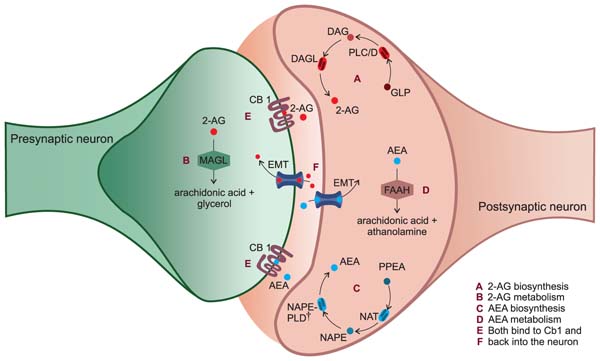
(Figure 1).62 The ECS is primarily composed of two G protein-coupled cannabinoid receptors, endogenous
cannabinoid ligands, and enzymes responsible for ligand synthesis and degradation.
Cannabinoid type 1 (CB1) receptors63 are the predominant cannabinoid receptors in the central nervous system (CNS) and
mainly located on terminals of central and peripheral neurons.64,65 Activation of these receptors inhibits neurotransmitter release, primarily from GABAergic
and glutamatergic neurons as well as certain monoaminergic sites.62 In comparison, cannabinoid type 2 (CB2) receptors66 are primarily distributed in peripheral tissues and immune system cells, where they
modulate cell migration and cytokine release.65
Figure 1. Illustration of endocannabinoid biosynthesis, binding, and metabolism. A) The biosynthesis
of 2-AG is mediated by sequential hydrolysis, whereby a GPL is hydrolyzed by PLC or
PLD to form DAG. DAG is then rapidly hydrolyzed by DAGL to form 2-AG. B) 2-AG is primarily
broken down by MAGL to form arachidonic acid and glycerol. C) AEA is synthesized from
phospholipid precursors PPEA which are initially converted to NAPE by NAT. NAPE is
subsequently converted to AEA by NAPE-PLD activity. D) AEA is primarily metabolized
by FAAH to form arachidonic acid and ethanolamine. E) Both 2-AG and AEA bind to CB1
on the presynaptic neuron. F) After receptor activation, AEA and 2-AG are transported
back into the neuron by EMT. ┼ NAPE may be converted to AEA through alternative pathways.67 2-AG = 2-arachidonoylglycerol; AEA = anandamide; CB1 = cannabinoid receptor 1; DAG
= diacylglycerol; DAGL = DAG lipase; EMT = endocannabinoid membrane transporters;
FAAH = fatty acid amide hydrolase; GPL = glycerophospholipid; MAGL = monoacylglycerol
lipase; NAPE = N-arachidonoylphosphatidylethanolamine; NAPE-PLD = NAPE phospholipase D; NAT = N-acyltransferase; PLC = phospholipase C; PLD = phospholipase D; PPEA = phosphatidylethanolamine.
Figure 1. Illustration of endocannabinoid biosynthesis, binding, and metabolism. A)
The biosynthesis of 2-AG is mediated by sequential hydrolysis, whereby a GPL is hydrolyzed
by PLC or PLD to form DAG. DAG is then rapidly hydrolyzed by DAGL to form 2-AG. B)
2-AG is primarily broken down by MAGL to form arachidonic acid and glycerol. C) AEA
is synthesized from phospholipid precursors PPEA which are initially converted to
NAPE by NAT. NAPE is subsequently converted to AEA by NAPE-PLD activity. D) AEA is
primarily metabolized by FAAH to form arachidonic acid and ethanolamine. E) Both 2-AG
and AEA bind to CB1 on the presynaptic neuron. F) After receptor activation, AEA and
2-AG are transported back into the neuron by EMT. ┼ NAPE may be converted to AEA through
alternative pathways.67 2-AG = 2-arachidonoylglycerol; AEA = anandamide; CB1 = cannabinoid
receptor 1; DAG = diacylglycerol; DAGL = DAG lipase; EMT = endocannabinoid membrane
transporters; FAAH = fatty acid amide hydrolase; GPL = glycerophospholipid; MAGL =
monoacylglycerol lipase; NAPE = N-arachidonoylphosphatidylethanolamine; NAPE-PLD =
NAPE phospholipase D; NAT = N-acyltransferase; PLC = phospholipase C; PLD = phospholipase
D; PPEA = phosphatidylethanolamine.
The two main endocannabinoids, N-arachidonoylethanolamine (anandamide; AEA)68 and 2-arachidonoylglycerol (2-AG),69 are lipid ligands that are synthesized and released on demand from the post-synaptic
cell, leading to a retrograde suppression of neurotransmitter release.62,67 Other lipid ligands of cannabinoid receptors include 2-arachidonylglyceryl ether,
N-arachidonoyl dopamine, N-oleoyl dopamine, O-arachidonoylethanolamine, and oleamide.70 Signaling is terminated via metabolization of AEA and 2-AG through their catabolic
enzymes, fatty acid amide hydrolase (FAAH)71 and monoacylglycerol lipase (MAGL),72 respectively.
These endocannabinoids, collectively with their receptors, biosynthetic proteins,
and degradative enzymes, are referred to as the ECS (Figure 1).
ROLE OF THE ENDOCANNABINOID SYSTEM IN THE REGULATION OF STRESS AND ANXIETY
Over the last two decades, the ECS has emerged and been recognized as a potential
regulator of stress and anxiety. Cannabis consumption studies investigating the exogenous
cannabinoid delta-9-tetrahydrocannabinol (THC) found that, in addition to its addictive
potential,73 THC consumption produces biphasic physiological effects depending on dose.74-76 Notably, low-dose THC consumption has been associated with anxiolytic effects, whereas
high-dose consumption has been linked to anxiogenic effects.77,78 Given that the psychoactive effects of THC are mediated by CB1 receptor activation,63,79 it is possible that ECS signaling may serve to buffer against anxiety and stress
symptoms.
Animal studies have converged to show that increasing ECS activity via pharmacological
stimulation of CB1 receptors (via CB1 agonism or via elevating AEA/2-AG through inhibition
of their degradative enzymes) decreases behavioral measures of rodent anxiety.80 Conversely, decreasing ECS activity via antagonism or deletion of the CB1 receptor
gene elicits an anxiogenic response.80 These anxiolytic effects seem to depend on CB1 activation in key structures implicated
in the fear response, particularly those comprising the corticolimbic circuit.81-85 In this regard, studies have shown that increased amygdala neuron excitability in
rodents exposed to stress can be corrected by FAAH inhibition.86,87 Moreover, rodent models of anxiety, modeled via exposure to stress paradigms, consistently
demonstrate elevated FAAH activity and reduced AEA levels in limbic areas, further
supporting the anxiolytic potential of the ECS via FAAH inhibition.86,88-91 While the status of 2-AG and MAGL in anxiety is less studied, pharmacological and
genetic investigations suggest that enhanced 2-AG signaling may play an important
role in reducing anxiety-like behaviors and promoting adaptation under conditions
of repeated stress exposure (reviewed by Bedse et al.92). Several studies have also shown that systemic MAGL inhibition reduces anxiety-like
behaviors under basal and highly aversive conditions,93-97 as well as acute and chronic stress-induced anxiety-like behaviors.92,93,98,99
In line with the preclinical literature, human research has shown that treatment with
the CB1 inverse agonist/receptor blocker rimonabant increases symptoms of anxiety
and depression in some individuals.100 Due to serious psychiatric adverse effects, including suicidal ideation, rimonabant
was withdrawn worldwide, in an example of the potency and potential risks associated
with manipulation of the ECS. Moreover, biochemical studies in humans have found that
experimental exposure to the Trier Social Stress Test (TSST) increases serum concentrations
of AEA, 2-AG and the other N-acylethanolamines immediately after the stress period, both in healthy participants
(compared to unstressed controls)101 and in those diagnosed with major depression (compared to TSST-exposed controls).102 In the former study, baseline anxiety ratings also correlated negatively with baseline
AEA concentrations.101 Similarly, among individuals with PTSD, those with lower peripheral AEA levels experienced
more intrusive symptoms.103 Clinical studies examining the FAAH C385A genetic polymorphism (rs324420) found that
carriers of the A allele - which is associated with lower FAAH and higher AEA levels104-106 - have a blunted amygdalar response to threat, greater ventral striatum response
to reward, decreased correlation of amygdala reactivity and trait anxiety, enhanced
fronto-amygdalar connectivity, and reduced stress reactivity.107-109 Green et al.110 failed to replicate the aforementioned relationship between the FAAH C385A polymorphism
and amygdalar functional connectivity, possibly due to a small sample size. However,
they did find that FAAH levels measured in vivo in the human brain are negatively
correlated with fronto-amygdalar functional connectivity, suggesting that higher brain
levels of AEA could increase coupling strength in fronto-amygdalar networks and affect
stress response.110 Another recent fMRI study in healthy males showed that neural activation of the anterior
cingulate cortex and anterior insular cortex during extinction learning correlated
positively with AEA baseline levels.111 Moreover, task-related changes in AEA were observed during fear extinction, suggesting
that AEA may play a putative role in fear extinction learning.111 Finally, in the remarkable case report of a patient presenting with pain insensitivity
and low fear and anxiety, the C385A polymorphism together with a microdeletion linked
to decreased FAAH expression was detected as a possible causal factor. In addition,
blood levels of AEA and other fatty-acid amides which are degraded by FAAH were unusually
elevated in this individual.112
The role of the ECS specifically in social anxiety is supported by various preclinical
findings which demonstrate effects of ECS modulation, via either CB1 receptor activation
or FAAH inhibition, on social interaction and social anxiety.113-118 In comparison, clinical studies investigating this system in SAD are considerably
limited. A recent clinical trial investigating the therapeutic effects of a FAAH inhibitor
in SAD was negative. However, the authors observed a small to modest anxiolytic effect
in patients with severe SAD and suggested that, based on the correlation between low
trough concentrations of the inhibitor (i.e., the lowest concentration of the drug
in the bloodstream) and low plasma AEA, future trials with a higher dose of the inhibitor
may be warranted.119 In addition, a recently published double-blind, placebo-controlled experimental study
in healthy adults found that administration of the FAAH inhibitor PF-04457845 produced
a 10-fold increase in peripheral AEA levels and decreased broad-spectrum fear-related
phenotypes.120 Furthermore, a 2021 double-blind, placebo-controlled clinical trial in healthy males
employing the FAAH inhibitor JNJ-42165279 found that the drug attenuated activation
in the amygdala, anterior cingulate, and bilateral insula during a face emotion processing
task - effects which are consistent with those of previously observed anxiolytic agents.121 Moreover, higher levels of plasma AEA were associated with greater attenuation in
these brain regions.121 While the latter two clinical studies were not conducted in a population with SAD,
they suggest that FAAH inhibitors may have some potential in the treatment of fear-related
disorders such as SAD.
Over the past two decades, cannabidiol (CBD), the primary non-psychotomimetic cannabinoid
constituent of cannabis,122 has emerged as a drug with multiple potential therapeutic benefits including neuroprotective,
anti-inflammatory, antioxidant, antipsychotic, and antianxiety effects (reviewed by
McPartland et al.123). Although evidence is emerging that the anxiolytic effects of CBD may be mediated
through serotonergic 5HT1a receptors124,125 and vanilloid receptor type 1 (TRPV1)126 receptors, some of these effects may also be exerted through modulation of the ECS.
Specifically, mild agonistic effects on CB1 receptors and antagonistic effects on
exogenous CB1 receptor agonists (THC) have been described.123,127,128 While the agonistic effects are still limited and controversial, emerging evidence
suggests that CBD may act as a negative allosteric modulator of CB1 receptors, resulting
in the aforementioned antagonistic effects on cannabinoid agonist activity.129 Furthermore, there have been inconsistent findings on the effects of CBD on FAAH
activity. Some animal studies found an inhibitory effect of CBD on FAAH activity in
brain tissue of healthy mice,129,130 rats,131 and cell membranes from mouse neuroblastoma,132 whereas in vivo treatment of mouse glioma tissue with CBD increased FAAH activity.133 In addition, two studies reported a decrease in FAAH protein expression following
CBD administration in chronically stressed mice134 and LPS-treated mice.135 Further investigation with more standardized methodologies may help elucidate the
actions of CBD on FAAH.
Moreover, several preclinical studies136-139 investigating effects of CBD in different animal models of anxiety have repeatedly
demonstrated anxiolytic effects, as comprehensively reviewed by Blessing and colleagues.128 Among these, some animal studies have found that CBD produces anxiolytic effects
following an inverted U-shaped dose-response curve.138,140,141 Interestingly, this bell-shaped response is not exclusive to the anxiolytic effects
of CBD, as it has also been observed in animal models of depression,142 compulsive behavior,143 schizophrenia,144 cognitive impairment,145 and other ailments.140 These findings suggest that the optimal dose of CBD may depend on condition, indicating
the need to test different doses in animals and humans in order to elucidate its therapeutic
potential for the treatment of SAD and other anxiety disorders.
In terms of clinical findings, one study in human cells suggests that CBD increases
AEA levels through binding to fatty acid-binding proteins and thereby prevents AEA
uptake and catabolism by FAAH,146 rather than inhibiting FAAH directly. In addition, results from a clinical trial
in schizophrenia indicate higher AEA levels in individuals receiving treatment with
CBD.127 While direct measurement of brain FAAH activity has been made possible by the novel
PET radiotracer [C-11]CURB,147 there have been to our knowledge no studies directly investigating brain FAAH activity
before and after treatment with CBD. Finally, three randomized-controlled clinical
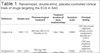
trials in SAD have shown that CBD may improve SAD symptoms (Table 1).148-150 Although these results appear to be promising, it should be noted that these trials
were conducted in small samples (10 to 37 participants) and employed inconsistent
assessment tools across studies. Such limitations warrant further investigation to
produce robust findings and better understand the biological mechanisms of CBD action
in SAD.
Table 1. Randomized, double-blind, placebo-controlled clinical trials of drugs targeting the
ECS in SAD
CBD = cannabidiol; ECS = endocannabinoid system; FNEQ = Fear of Negative Evaluation
Questionnaire; HAM-A = Hamilton Anxiety Rating Scale; HC = healthy control; HDRS =
Hamilton Depression Rating Scale; JNJ = JNJ-42165279 (FAAH inhibitor); LSAS = Liebowitz
Social Anxiety Scale; MCT = medium-chain triglyceride; NSSS = Negative Self-Statement
Scale; SAD = social anxiety disorder; TBD = to be determined; THC = delta-9-tetrahydrocannabinol;
VAMS = Visual Analogue Mood Scale.
┼ Healthy controls underwent the same study procedures without receiving pharmacological
treatment.
╬ Treatment administered 1.5 hours prior to participation in a simulated public speaking
test.
§ Titrated as tolerated up to a maximum 2 capsules, twice daily (200-800 mg total dose).
|| Clinical trial is registered but has not yet started.
Table 1. Randomized, double-blind, placebo-controlled clinical trials of drugs targeting
the ECS in SAD
INTERACTION OF THE ENDOCANNABINOID SYSTEM WITH OTHER SYSTEMS AND BIOLOGICAL FINDINGS
As discussed, previous research has largely focused on establishing monoaminergic
impairment affecting the limbic system2,152 and dysfunction of the HPA axis153 as pathophysiological mechanisms of SAD. Accordingly, treatments developed and/or
tested for SAD have mainly targeted serotonin (5-HT) and norepinephrine (NE) neurotransmission,
specifically via drugs blocking their reuptake.8 However, these drugs are ineffective in more than one-third of SAD patients.2
Recently, the ECS has been identified as a modulator of the aforementioned systems
and incited interest in the development of new pharmacological treatments for mood
and anxiety disorders. In particular, two preclinical studies found that synthetic
CB1 receptor agonism was associated with increased NE efflux and anxiety-like behavior
in healthy rodents.154,155 The latter study also showed that local administration of a CB1 receptor antagonist
(SR 141716A) followed by local administration of a CB1 receptor agonist (WIN55,212-2)
produces a paradoxical inhibition of NE efflux.155 Together, these findings suggest that enhanced NE activity may be mediated, in part,
by direct CB1 receptor agonism, localized at noradrenergic axon terminals. However,
the paradoxical decrease in NE observed in the second study may also indicate that
NE efflux is modulated indirectly via interneurons or other chemically distinct afferents.154 Similarly, direct or indirect stimulation of CB1 receptors has been linked to enhanced
5-HT neuronal activity.156-158 However, these studies found that increased 5-HT neurotransmission following CB1
receptor agonism,156 FAAH inhibition,157 or FAAH knockout158 was associated with enhanced stress-coping behaviors and antidepressant effects in
otherwise healthy rodents.
Accumulating evidence also suggests that the ECS may act as a homeostatic regulator
of HPA axis activity under basal and stress-related conditions.159 In this regard, studies have found that chronic stress exposure or repeated corticosterone
treatment activate the HPA axis response, which has been associated with changes in
AEA levels, FAAH activity, and CB1 receptor expression.90,159-161 Moreover, Di et al.162 showed that the paraventricular nucleus (PVN) participates in glucocorticoid-mediated
feedback regulation of the HPA axis via endocannabinoid release. Specifically, this
model suggests that, during the stress response, activation of hippocampal glucocorticoid
receptors (via corticosterone) induces the synthesis of endocannabinoid ligands which
bind to CB1 receptors on glutamatergic neurons.162 This binding activates a signaling cascade that leads to the inhibition of glutamate
release onto the hypothalamic PVN, decreasing PVN neuronal activity and further hormone
secretion.162 It is possible, then, that disruption of certain ECS processes may lead to dysregulation
of HPA axis activity, which together may contribute to the development of sustained
anxiety-related symptoms.
ECS interactions with oxytocin, the neuropeptide that reinforces social bonding and
social reward, have also been observed. Specifically, Wei et al.163 showed that oxytocin drives AEA mobilization in the mouse nucleus accumbens, leading
to reinforcement of social reward behavior. Pharmacological blockade of oxytocin receptors
attenuated this response, whereas FAAH inhibition or gene deletion offset the behavioral
effects of oxytocin receptor blockade.163 These findings suggest that the ECS may modulate the prosocial effects of oxytocin,
which may open potential avenues of research in disorders of social impairment such
as SAD.
Genetic studies examining ECS candidate genes relating to anxiety disorders have produced
limited findings. Current evidence suggests that a single nucleotide polymorphism
in the FAAH gene (rs324420; C385A)104 influences FAAH protein expression,105,106 which has been found to correlate with trait anxiety.107 However, there is little to no evidence to support an association between genetic
variants of other ECS genes and symptoms of SAD.
Thus, further investigation of ECS interactions with other biological systems and
genetic variables may help improve our current knowledge and address the gap with
respect to SAD pathophysiology, potentially allowing for the development of more targeted
treatment options.
SUMMARY OF CURRENT DRUGS TARGETING THE ENDOCANNABINOID SYSTEM
Based on current evidence, it appears that the ECS may play a role in buffering against
stress and anxiety. Thus, targeting components of this system could serve as a potentially
valid strategy for the treatment of social anxiety symptoms. In this regard, several
ECS-targeting drugs have been developed, with some demonstrating promising therapeutic
potential.
Logically, CB1 agonists were considered promising, given their ability to enhance
ECS activity and reduce anxiety-like behaviors in rodents.80,164-166 Notable synthetic CB1 agonists include WIN55,212-2, CP-55940, and HU-210. Although
these compounds are generally well-tolerated, accompanying risk of other psychotropic
adverse effects has been observed.167 Direct CB1 agonism has also been associated with disturbances in social behavior
and social play in some preclinical studies, prompting the exploration of other ECS
targets.113,168-170
One of the most effective strategies to target anxiety through modulation of the ECS
has been inhibition of the endocannabinoid degradation enzymes FAAH and MAGL. This
allows for the indirect activation of CB1 receptors by increased levels of AEA and
2-AG. Accumulating evidence has demonstrated the anxiolytic effects of FAAH inhibitors
(URB597, PF-3845, and PF-04457845), most prominently in rodents,80 as well as the aforementioned human experimental PF-04457845 trial.120 Interestingly, prosocial effects of these compounds have also been consistently observed
in rodent models of social impairment.117,171-174 Although more limited in study, MAGL inhibitors (URB602, JZL184) have demonstrated
similar results in terms of improved anxiety and social behavior.80,175,176 While a handful of inhibitor studies have reported insignificant results,177-179 the vast majority suggest that inhibition of endocannabinoid degradation enzymes
may serve as a promising novel treatment strategy for anxiety-related disorders.
The opposing effects on anxiety and social behavior exerted through direct versus
indirect CBR activation may be due to differences in the mechanism of action (e.g.
partial vs full agonistic properties at CBR) and/or affinities of endogenous vs synthetic
ligands for CB1R vs CB2R affinity.180 However, this variability may also be explained by existing differences in the underlying
status of the ECS in animals with social impairments, such as ECS receptor expression,
ligand levels, or enzyme activity.173,174,181 These aspects warrant further investigation of changes in ECS components in social
impairment models as well as in human studies of disorders associated with social
impairment in order to validate the therapeutic potential and potential risks of these
ECS-targeting agents in clinical settings.
In contrast, CB1 inverse agonists/antagonists have been shown to further exacerbate
anxiety-like behaviors. As mentioned above the inverse agonist Rimonabant, found to
be effective for weight-loss and smoking cessation, was quickly withdrawn following
the emergence of severe psychiatric side effects.182 In line with this, CB1 inverse agonist, AM251 has been found to reduce social interactions
in rodents183,184 and non-human primates.115 Interestingly and in contrast to CB1 inverse agonists, two preclinical studies found
that administration of a CB1 neutral antagonist, AM4113, did not produce anxiogenic
or depressive side effects when administered in rats.185,186 Similarly, two other rodent studies found that Rimonabant, but not the CB1 neutral
antagonist tetrahydrocannabivarin, produced depressive and anxiogenic-like behaviors
following administration.187,188 While inverse agonists induce a pharmacological response opposite to that of agonists,
neutral antagonists do not activate the receptor - differences which may partly explain
the absence of these behavioral side effects following administration of the latter
group of agents.185
Overall, the development of ECS-targeting agents has produced some promising results
with regards to modulation of anxiety-like symptoms and social behavior, particularly
in the field of FAAH and MAGL inhibitors. However, current evidence largely focuses
on measures of general anxiety in animal models, and lacks the support of clinical
trials. Further investigation of the effect of ECS-targeting drugs, specifically in
animal models of social impairment and human studies, may provide greater insight
as to how these compounds effect other biological systems, the possibility of risks
and adverse effects, as well as their therapeutic potential in SAD.
FUTURE RESEARCH AND POTENTIAL CHALLENGES
This article highlights some of the currently known pathophysiological mechanisms
of SAD and the therapeutic potential of the ECS. Targeting specific components of
the ECS which have been shown to play a role in anxiety-related symptoms and social
behavior may serve as a novel and possibly more targeted treatment for such disorders.
However, there are a number of challenges to consider with respect to this new approach.
Firstly, while CB1 activation has been hypothesized to improve social anxiety-like
behaviors by enhancing ECS signaling, activation of this receptor has since also demonstrated
increased risk of social113,168-170 and cognitive189 impairments, as well as disturbances in the reward system.190,191 As previously discussed, indirect CB1 activation via FAAH or MAGL inhibition has
been the most commonly proposed solution to possibly avoid these adverse effects.
Additionally, peripheral CB1 agonists and CB1 positive allosteric modulators have
also demonstrated the ability to avoid certain CB1-related side effects.192-194 Despite these alternative solutions, the vast majority of current supporting evidence
is a result of animal experimentation. As such, the efficacy, safety, and tolerability
of such drugs must be further validated through clinical studies to evaluate not only
their therapeutic potential, but also their possible risks.
Secondly, it is important to consider that the ECS is a complex biological system
that does not function in isolation, but rather through interactions with an array
of other systems. In this regard, the ECS may interact with and modulate other systems
including the endovanilloid,194,195 opioid,196 noradrenergic,197 prostanoid,198 serotonergic,199 dopaminergic,200 glutamatergic,201 and GABAergic202 systems, among other biological networks.194 Accounting for these additional biological networks will be crucial in understanding
the larger physiological context and environment in which the ECS functions, and,
by extension, the biological pathways that pharmacological interventions in the ECS
can potentially influence.
A third challenge to consider is the pathophysiological heterogeneity of individuals
with SAD. While the pathophysiological mechanisms of SAD are not yet certain, a number
of biological systems have been described above which may additionally interact with
the ECS. In this regard, it is possible that SAD in some individuals may be due to
greater dysregulation of the HPA axis,51 whereas others may have more severe disruptions in their serotonergic/dopaminergic
systems42 or inflammatory processes.203,204 Accordingly, it is possible that ECS-targeted treatment may be beneficial to certain
neurobiological subgroups of SAD patients, but potentially ineffective or even possibly
harmful to others. As such, future research efforts should also focus on elucidating
biological subpopulations in SAD and how ECS-targeted therapies could be individualized
to maximize their therapeutic potential.
CONCLUSION
Overall, the ECS presents as a potential biological pathway in the pathophysiology
of SAD and as promising avenue for developing novel therapeutic approaches. The lack
of human ECS studies and clinical trials, combined with the complex nature of the
ECS and the heterogenous pathophysiology of SAD, highlight significant gaps in our
knowledge and possible challenges, though at the same time great potential for future
research. Further investigational efforts - specifically in human populations - are
warranted to improve our knowledge of the ECS in SAD and help clarify these emerging
questions. In turn, such research may allow for the development of more targeted pharmacological
treatment interventions for individuals with SAD.
ACKNOWLEDGEMENTS
SK is supported by the Academic Scholar Award and the Labatt Family Innovation Fund
in Brain Health, Department of Psychiatry, University of Toronto, Toronto, ON, Canada.
Disclosure
BLF has obtained funding from Pfizer (GRAND Awards, including salary support) for investigator-initiated projects; has received some in-kind donation of cannabis product from Aurora and medication donation from Pfizer and Bioprojet, and was provided a coil for a TMS study from Brainsway; has obtained industry funding from Canopy (through research grants handled by Centre for Addiction and Mental Health [CAMH] or University of Toronto), Bioprojet, ACS, and Alkermes; has received in-kind donations of nabiximols from GW Pharma for past studies funded by CIHR and NIH; has served as a consultant for Shionogi; and is supported by CAMH and a clinicianscientist award from the Department of Family and Community Medicine of the University of Toronto and an Addiction Psychiatry Chair from the Department of Psychiatry of the University of Toronto. SK has received honoraria for past consultation for EmpowerPharm. The other authors report no conflict of interest.
American Psychiatric Association. Diagnostic and Statistical Manual of Mental Disorders,
Fifth Edition (DSM-5). Arlington: American Psychiatric Publishing; 2013.
Schneier FR, Johnson J, Hornig CD, Liebowitz MR, Weissman MM. Social phobia. Comorbidity
and morbidity in an epidemiologic sample. Arch Gen Psychiatry. 1992;49:282-8.
Kessler RC, Berglund P, Demler O, Jin R, Merikangas KR, Walters EE. Lifetime prevalence
and age-of-onset distributions of DSM-IV disorders in the National Comorbidity Survey
Replication. Arch Gen Psychiatry. 2005;62:593-602.
Ruscio AM, Brown TA, Chiu WT, Sareen J, Stein MB, Kessler RC. Social fears and
social phobia in the USA: results from the National Comorbidity Survey Replication.
Psychol Med. 2008;38:15-28.
Bandelow B, Sagebiel A, Belz M, Görlich Y, Michaelis S, Wedekind D. Enduring effects
of psychological treatments for anxiety disorders: meta-analysis of follow-up studies.
Br J Psychiatry. 2018;212:333-8.
Williams T, Hattingh CJ, Kariuki CM, Tromp SA, van Balkom AJ, Ipser JC, et al.
Pharmacotherapy for social anxiety disorder (SAnD). Cochrane Database Syst Rev. 2017;10;CD001206.
Jakubovski E, Johnson JA, Nasir M, Müller-Vahl K, Bloch MH. Systematic review and
meta-analysis: dose-response curve of SSRIs and SNRIs in anxiety disorders. Depress
Anxiety. 2019;36:198-212.
Morena M, Patel S, Bains JS, Hill MN. Neurobiological interactions between stress
and the endocannabinoid system. Neuropsychopharmacology. 2016;41:80-102.
Schwartz CE, Snidman N, Kagan J. Adolescent social anxiety as an outcome of inhibited
temperament in childhood. J Am Acad Child Adolesc Psychiatry. 1999;38:1008-15.
Prior M, Smart D, Sanson A, Oberklaid F. Does shy-inhibited temperament in childhood
lead to anxiety problems in adolescence? J Am Acad Child Adolesc Psychiatry. 2000;39:461-8.
Biederman J, Hirshfeld-Becker DR, Rosenbaum JF, Hérot C, Friedman D, Snidman N,
et al. Further evidence of association between behavioral inhibition and social anxiety
in children. Am J Psychiatry. 2001;158:1673-9.
Hirshfeld-Becker DR, Biederman J, Henin A, Faraone SV, Davis S, Harrington K,
et al. Behavioral inhibition in preschool children at risk is a specific predictor
of middle childhood social anxiety: a five-year follow-up. J Dev Behav Pediatr. 2007;28:225-33.
Sandstrom A, Uher R, Pavlova B. Prospective association between childhood behavioral
inhibition and anxiety: a meta-analysis. J Abnorm Child Psychol. 2020;48:57-66.
Clauss JA, Blackford JU. Behavioral inhibition and risk for developing social
anxiety disorder: a meta-analytic study. J Am Acad Child Adolesc Psychiatry. 2012;51:1066-75.e1.
Fox NA, Buzzell GA, Morales S, Valadez EA, Wilson M, Henderson HA. Understanding
the emergence of social anxiety in children with behavioral inhibition. Biol Psychiatry.
2021;89:681-9.
Bar-Haim Y, Fox NA, Benson B, Guyer AE, Williams A, Nelson EE, et al. Neural correlates
of reward processing in adolescents with a history of inhibited temperament. Psychol
Sci. 2009;20:1009-18.
Guyer AE, Benson B, Choate VR, Bar-Haim Y, Perez-Edgar K, Jarcho JM, et al. Lasting
associations between early-childhood temperament and late-adolescent reward-circuitry
response to peer feedback. Dev Psychopathol. 2014;26:229-43.
Helfinstein SM, Benson B, Perez-Edgar K, Bar-Haim Y, Detloff A, Pine DS, et al.
Striatal responses to negative monetary outcomes differ between temperamentally inhibited
and non-inhibited adolescents. Neuropsychologia. 2011;49:479-85.
Jarcho JM, Fox NA, Pine DS, Etkin A, Leibenluft E, Shechner T, et al. The neural
correlates of emotion-based cognitive control in adults with early childhood behavioral
inhibition. Biol Psychol. 2013;92:306-14.
Lamm C, Walker OL, Degnan KA, Henderson HA, Pine DS, McDermott JM, et al. Cognitive
control moderates early childhood temperament in predicting social behavior in 7-year-old
children: an ERP study. Dev Sci. 2014;17:667-81.
Schwartz CE, Kunwar PS, Greve DN, Kagan J, Snidman NC, Bloch RB. A phenotype of
early infancy predicts reactivity of the amygdala in male adults. Mol Psychiatry.
2012;17:1042-50.
Tillfors M, Furmark T, Marteinsdottir I, Fredrikson M. Cerebral blood flow during
anticipation of public speaking in social phobia: a PET study. Biol Psychiatry. 2002;52:1113-9.
Lorberbaum JP, Kose S, Johnson MR, Arana GW, Sullivan LK, Hamner MB, et al. Neural
correlates of speech anticipatory anxiety in generalized social phobia. Neuroreport.
2004;15:2701-5.
Guyer AE, Lau JY, McClure-Tone EB, Parrish J, Shiffrin ND, Reynolds RC, et al.
Amygdala and ventrolateral prefrontal cortex function during anticipated peer evaluation
in pediatric social anxiety. Arch Gen Psychiatry. 2008;65:1303-12.
Blair K, Geraci M, Devido J, McCaffrey D, Chen G, Vythilingam M, et al. Neural
response to self-and other referential praise and criticism in generalized social
phobia. Arch Gen psychiatry. 2008;65:1176-84.
Stein MB, Goldin PR, Sareen J, Zorrilla LT, Brown GG. Increased amygdala activation
to angry and contemptuous faces in generalized social phobia. Arch Gen Psychiatry.
2002;59:1027-34.
Yoon KL, Fitzgerald DA, Angstadt M, McCarron RA, Phan KL. Amygdala reactivity
to emotional faces at high and low intensity in generalized social phobia: a 4-Tesla
functional MRI study. Psychiatry Res. 2007;154:93-8.
Phan KL, Fitzgerald DA, Nathan PJ, Tancer ME. Association between amygdala hyperactivity
to harsh faces and severity of social anxiety in generalized social phobia. Biol Psychiatry.
2006;59:424-9.
Evans KC, Wright CI, Wedig MM, Gold AL, Pollack MH, Rauch SL. A functional MRI
study of amygdala responses to angry schematic faces in social anxiety disorder. Depress
Anxiety. 2008;25:496-505.
Shah SG, Klumpp H, Angstadt M, Nathan PJ, Phan KL. Amygdala and insula response
to emotional images in patients with generalized social anxiety disorder. J Psychiatry
Neurosci. 2009;34:296-302.
Amir N, Klumpp H, Elias J, Bedwell JS, Yanasak N, Miller LS. Increased activation
of the anterior cingulate cortex during processing of disgust faces in individuals
with social phobia. Biol Psychiatry. 2005;57:975-81.
Furmark T, Marteinsdottir I, Frick A, Heurling K, Tillfors M, Appel L, et al.
Serotonin synthesis rate and the tryptophan hydroxylase-2: G-703T polymorphism in
social anxiety disorder. J Psychopharmacol. 2016;30:1028-35.
Frick A, Åhs F, Engman J, Jonasson M, Alaie I, Björkstrand J, et al. Serotonin
synthesis and reuptake in social anxiety disorder: a positron emission tomography
study. JAMA Psychiatry. 2015;72:794-802.
Hjorth OR, Frick A, Gingnell M, Hoppe JM, Faria V, Hultberg S, et al. Expression
and co-expression of serotonin and dopamine transporters in social anxiety disorder:
a multitracer positron emission tomography study. Mol Psychiatry. 2019 Dec 10. doi:
10.1038/s41380-019-0618-7. Online ahead of print.
van der Wee NJ, van Veen JF, Stevens H, van Vliet IM, van Rijk PP, Westenberg
HG. Increased serotonin and dopamine transporter binding in psychotropic medication-naive
patients with generalized social anxiety disorder shown by 123I-ß-(4-iodophenyl)-tropane
SPECT. J Nucl Med. 2008;49:757-63.
Lanzenberger RR, Mitterhauser M, Spindelegger C, Wadsak W, Klein N, Mien LK, et
al. Reduced serotonin-1A receptor binding in social anxiety disorder. Biol Psychiatry.
2007;61:1081-9.
Tiihonen J, Kuikka J, Bergstrom K, Lepola U, Koponen H, Leinonen E. Dopamine reuptake
site densities in patients with social phobia. Am J Psychiatry. 1997;154:239-42.
Schneier FR, Abi-Dargham A, Martinez D, Slifstein M, Hwang DR, Liebowitz MR, et
al. Dopamine transporters, D2 receptors, and dopamine release in generalized social
anxiety disorder. Depress Anxiety. 2009;26:411-8.
Schneier FR, Liebowitz MR, Abi-Dargham A, Zea-Ponce Y, Lin SH, Laruelle M. Low
dopamine D2 receptor binding potential in social phobia. Am J Psychiatry. 2000;157:457-9.
Faravelli C, Sauroc CL, Lelli L, Pietrini F, Lazzeretti L, Godini L, et al. The
role of life events and HPA axis in anxiety disorders: a review. Curr Pharm Des. 2012;18:5663-74.
Hill MN, Tasker JG. Endocannabinoid signaling, glucocorticoid-mediated negative
feedback, and regulation of the hypothalamic-pituitary-adrenal axis. Neuroscience.
2012;204:5-16.
Soravia LM, Heinrichs M, Aerni A, Maroni C, Schelling G, Ehlert U, et al. Glucocorticoids
reduce phobic fear in humans. Proc Natl Acad Sci U S A. 2006;103:5585-90.
Condren RM, O'Neill A, Ryan MC, Barrett P, Thakore JH. HPA axis response to a
psychological stressor in generalised social phobia. Psychoneuroendocrinology. 2002;27:693-703.
van West D, Claes S, Sulon J, Deboutte D. Hypothalamic-pituitary-adrenal reactivity
in prepubertal children with social phobia. J Affect Disord. 2008;111:281-90.
Klumbies E, Braeuer D, Hoyer J, Kirschbaum C. The reaction to social stress in
social phobia: discordance between physiological and subjective parameters. PLoS One.
2014;9:e105670.
Matsuda LA, Lolait SJ, Brownstein MJ, Young AC, Bonner TI. Structure of a cannabinoid
receptor and functional expression of the cloned cDNA. Nature. 1990;346:561-4.
Herkenham M, Lynn AB, Johnson MR, Melvin LS, de Costa BR, Rice KC. Characterization
and localization of cannabinoid receptors in rat brain: a quantitative in vitro autoradiographic
study. J Neurosci. 1991;11:563-83.
Galiègue S, Mary S, Marchand J, Dussossoy D, Carrière D, Carayon P, et al. Expression
of central and peripheral cannabinoid receptors in human immune tissues and leukocyte
subpopulations. Eur J Biochem. 1995;232:54-61.
Devane WA, Hanus L, Breuer A, Pertwee RG, Stevenson LA, Griffin G, et al. Isolation
and structure of a brain constituent that binds to the cannabinoid receptor. Science.
1992;258:1946-9.
Sugiura T, Kondo S, Sukagawa A, Nakane S, Shinoda A, Itoh K, et al. 2-arachidonoylgylcerol:
a possible endogenous cannabinoid receptor ligand in brain. Biochem Biophys Res Commun.
1995;215:89-97.
Pertwee RG. The therapeutic potential of drugs that target cannabinoid receptors
or modulate the tissue levels or actions of endocannabinoids. AAPS J. 2005;7:E625-54.
Dinh TP, Carpenter D, Leslie FM, Freund TF, Katona I, Sensi SL, et al. Brain monoglyceride
lipase participating in endocannabinoid inactivation. Proc Natl Acad Sci U S A. 2002;99:10819-24.
D'Souza DC, Perry E, MacDougall L, Ammerman Y, Cooper T, Wu YT, et al. The psychotomimetic
effects of intravenous delta-9-tetrahydrocannabinol in healthy individuals: implications
for psychosis. Neuropsychopharmacology. 2004;29:1558-72.
Hunault CC, Böcker KB, Stellato RK, Kenemans JL, de Vries I, Meulenbelt J. Acute
subjective effects after smoking joints containing up to 69 mg ?9-tetrahydrocannabinol
in recreational users: a randomized, crossover clinical trial. Psychopharmacology
(Berl). 2014;231:4723-33.
Rubino T, Sala M, Vigano D, Braida D, Castiglioni C, Limonta V, et al. Cellular
mechanisms underlying the anxiolytic effect of low doses of peripheral ? 9-tetrahydrocannabinol
in rats. Neuropsychopharmacology. 2007;32:2036-45.
Rubino T, Guidali C, Vigano D, Realini N, Valenti M, Massi P, et al. CB1 receptor
stimulation in specific brain areas differently modulate anxiety-related behaviour.
Neuropharmacology. 2008;54:151-60.
Devane WA, Dysarz FA 3rd, Johnson MR, Melvin LS, Howlett AC. Determination and
characterization of a cannabinoid receptor in rat brain. Mol Pharmacol. 1988;34:605-13.
Micale V, Di Marzo V, Sulcova A, Wotjak CT, Drago F. Endocannabinoid system and
mood disorders: priming a target for new therapies. Pharmacol Ther. 2013;138:18-37.
Lin HC, Mao SC, Gean PW. Effects of intra-amygdala infusion of CB1 receptor agonists
on the reconsolidation of fear-potentiated startle. Learn Mem. 2006;13:316-21.
Campolongo P, Roozendaal B, Trezza V, Hauer D, Schelling G, McGaugh JL, et al.
Endocannabinoids in the rat basolateral amygdala enhance memory consolidation and
enable glucocorticoid modulation of memory. Proc Natl Acad Sci U S A. 2009;106:4888-93.
Marsicano G, Wotjak CT, Azad SC, Bisogno T, Rammes G, Cascio MG, et al. The endogenous
cannabinoid system controls extinction of aversive memories. Nature. 2002;418:530-4.
Tan H, Lauzon NM, Bishop SF, Chi N, Bechard M, Laviolette SR. Cannabinoid transmission
in the basolateral amygdala modulates fear memory formation via functional inputs
to the prelimbic cortex. J Neurosci. 2011;31:5300-12.
Hill MN, McLaughlin RJ, Bingham B, Shrestha L, Lee TT, Gray JM, et al. Endogenous
cannabinoid signaling is essential for stress adaptation. Proc Natl Acad Sci U S A.
2010;107:9406-11.
Bortolato M, Mangieri RA, Fu J, Kim JH, Arguello O, Duranti A, et al. Antidepressant-like
activity of the fatty acid amide hydrolase inhibitor URB597 in a rat model of chronic
mild stress. Biol Psychiatry. 2007;62:1103-10.
Rademacher DJ, Meier SE, Shi L, Ho WS, Jarrahian A, Hillard CJ. Effects of acute
and repeated restraint stress on endocannabinoid content in the amygdala, ventral
striatum, and medial prefrontal cortex in mice. Neuropharmacology. 2008;54:108-16.
Hill MN, Kumar SA, Filipski SB, Iverson M, Stuhr KL, Keith JM, et al. Disruption
of fatty acid amide hydrolase activity prevents the effects of chronic stress on anxiety
and amygdalar microstructure. Mol Psychiatry. 2013;18:1125-35.
Gray JM, Vecchiarelli HA, Morena M, Lee TT, Hermanson DJ, Kim AB, et al. Corticotropin-releasing
hormone drives anandamide hydrolysis in the amygdala to promote anxiety. J Neurosci.
2015;35:3879-92.
Bedse G, Hill MN, Patel S. 2-arachidonoylglycerol modulation of anxiety and stress
adaptation: from grass roots to novel therapeutics. Biol Psychiatry. 2020;88:520-30.
Bedse G, Hartley ND, Neale E, Gaulden AD, Patrick TA, Kingsley PJ, et al. Functional
redundancy between canonical endocannabinoid signaling systems in the modulation of
anxiety. Biol Psychiatry. 2017;82:488-99.
Busquets-Garcia A, Puighermanal E, Pastor A, de la Torre R, Maldonado R, Ozaita
A. Differential role of anandamide and 2-arachidonoylglycerol in memory and anxiety-like
responses. Biol Psychiatry. 2011;70:479-86.
Sciolino NR, Zhou W, Hohmann AG. Enhancement of endocannabinoid signaling with
JZL184, an inhibitor of the 2-arachidonoylglycerol hydrolyzing enzyme monoacylglycerol
lipase, produces anxiolytic effects under conditions of high environmental aversiveness
in rats. Pharmacol Res. 2011;64:226-34.
Aliczki M, Zelena D, Mikics E, Varga ZK, Pinter O, Bakos NV, et al. Monoacylglycerol
lipase inhibition-induced changes in plasma corticosterone levels, anxiety and locomotor
activity in male CD1 mice. Horm Behav. 2013;63:752-8.
Bedse G, Bluett RJ, Patrick TA, Romness NK, Gaulden AD, Kingsley PJ, et al. Therapeutic
endocannabinoid augmentation for mood and anxiety disorders: comparative profiling
of FAAH, MAGL and dual inhibitors. Transl Psychiatry. 2018;8:92.
Lim J, Igarashi M, Jung KM, Butini S, Campiani G, Piomelli D. Endocannabinoid
modulation of predator stress-induced long-term anxiety in rats. Neuropsychopharmacology.
2016;41:1329-39.
Dlugos A, Childs E, Stuhr KL, Hillard CJ, de Wit H. Acute stress increases circulating
anandamide and other N-acylethanolamines in healthy humans. Neuropsychopharmacology.
2012;37:2416-27.
Hill MN, Miller GE, Carrier EJ, Gorzalka BB, Hillard CJ. Circulating endocannabinoids
and N-acyl ethanolamines are differentially regulated in major depression and following
exposure to social stress. Psychoneuroendocrinology. 2009;34:1257-62.
Hill MN, Bierer LM, Makotkine I, Golier JA, Galea S, McEwen BS, et al. Reductions
in circulating endocannabinoid levels in individuals with post-traumatic stress disorder
following exposure to the World Trade Center attacks. Psychoneuroendocrinology. 2013;38:2952-61.
Sipe JC, Chiang K, Gerber AL, Beutler E, Cravatt BF. A missense mutation in human
fatty acid amide hydrolase associated with problem drug use. Proc Natl Acad Sci U
S A. 2002;99:8394-9.
Chiang KP, Gerber AL, Sipe JC, Cravatt BF. Reduced cellular expression and activity
of the P129T mutant of human fatty acid amide hydrolase: evidence for a link between
defects in the endocannabinoid system and problem drug use. Hum Mol Genet. 2004;13:2113-9.
Boileau I, Tyndale RF, Williams B, Mansouri E, Westwood DJ, Le Foll B, et al.
The fatty acid amide hydrolase C385A variant affects brain binding of the positron
emission tomography tracer [11C] CURB. J Cereb Blood Flow Metab. 2015;35:1237-40.
Hariri AR, Gorka A, Hyde LW, Kimak M, Halder I, Ducci F, et al. Divergent effects
of genetic variation in endocannabinoid signaling on human threat-and reward-related
brain function. Biol Psychiatry. 2009;66:9-16.
Gunduz-Cinar O, MacPherson KP, Cinar R, Gamble-George J, Sugden K, Williams B,
et al. Convergent translational evidence of a role for anandamide in amygdala-mediated
fear extinction, threat processing and stress-reactivity. Mol Psychiatry. 2013;18:813-23.
Dincheva I, Drysdale AT, Hartley CA, Johnson DC, Jing D, King EC, et al. FAAH
genetic variation enhances fronto-amygdala function in mouse and human. Nat Commun.
2015;6:6395.
Green DG, Kim J, Kish SJ, Tyndale RF, Hill MN, Strafella AP, et al. Fatty acid
amide hydrolase binding is inversely correlated with amygdalar functional connectivity:
a combined positron emission tomography and magnetic resonance imaging study in healthy
individuals. J Psychiatry Neurosci. 2021;46:E238-46.
Spohrs J, Ulrich M, Grön G, Prost M, Plener PL, Fegert JM, et al. Fear extinction
learning and anandamide: an fMRI study in healthy humans. Transl Psychiatry. 2021;11:161.
Habib AM, Okorokov AL, Hill MN, Bras JT, Lee MC, Li S, et al. Microdeletion in
a FAAH pseudogene identified in a patient with high anandamide concentrations and
pain insensitivity. Br J Anaesth. 2019;123:e249-53.
Trezza V, Damsteegt R, Manduca A, Petrosino S, Van Kerkhof LW, Pasterkamp RJ,
et al. Endocannabinoids in amygdala and nucleus accumbens mediate social play reward
in adolescent rats. J Neurosci. 2012;32:14899-908.
Gonczarowska N, Tomaz C, Caixeta FV, Malcher-Lopes R, Barros M, Nishijo H, et
al. CB1 receptor antagonism in capuchin monkeys alters social interaction and aversive
memory extinction. Psychopharmacology (Berl). 2019;236:3413-9.
Manduca A, Servadio M, Campolongo P, Palmery M, Trabace L, Vanderschuren LJ,
et al. Strain- and context-dependent effects of the anandamide hydrolysis inhibitor
URB597 on social behavior in rats. Eur Neuropsychopharmacol. 2014;24:1337-48.
Matricon J, Seillier A, Giuffrida A. Distinct neuronal activation patterns are
associated with PCP-induced social withdrawal and its reversal by the endocannabinoid-enhancing
drug URB597. Neurosci Res. 2016;110:49-58.
Schneider P, Bindila L, Schmahl C, Bohus M, Meyer-Lindenberg A, Lutz B, et al.
Adverse social experiences in adolescent rats result in enduring effects on social
competence, pain sensitivity and endocannabinoid signaling. Front Behav Neurosci.
2016;10:203.
Schmidt ME, Liebowitz MR, Stein MB, Grunfeld J, Van Hove I, Simmons WK, et al.
The effects of inhibition of fatty acid amide hydrolase (FAAH) by JNJ-42165279 in
social anxiety disorder: a double-blind, randomized, placebo-controlled proof-of-concept
study. Neuropsychopharmacology. 2021;46:1004-10.
Mayo LM, Asratian A, Lindé J, Morena M, Haataja R, Hammar V, et al. Elevated
anandamide, enhanced recall of fear extinction, and attenuated stress responses following
inhibition of fatty acid amide hydrolase: a randomized, controlled experimental medicine
trial. Biol Psychiatry. 2020;87:538-47.
Paulus MP, Stein MB, Simmons AN, Risbrough VB, Halter R, Chaplan SR. The effects
of FAAH inhibition on the neural basis of anxiety-related processing in healthy male
subjects: a randomized clinical trial. Neuropsychopharmacology. 2021;46:1011-9.
Boggs DL, Nguyen JD, Morgenson D, Taffe MA, Ranganathan M. Clinical and preclinical
evidence for functional interactions of cannabidiol and ? 9-tetrahydrocannabinol.
Neuropsychopharmacology. 2018;43:142-54.
McPartland JM, Duncan M, Di Marzo V, Pertwee RG. Are cannabidiol and ?9-tetrahydrocannabivarin
negative modulators of the endocannabinoid system? A systematic review. Br J Pharmacol.
2015;172:737-53.
Fogaça MV, Reis FM, Campos AC, Guimaraes FS. Effects of intra-prelimbic prefrontal
cortex injection of cannabidiol on anxiety-like behavior: involvement of 5HT1A receptors
and previous stressful experience. Eur Neuropsychopharmacol. 2014;24:410-9.
Campos AC, Guimarães FS. Evidence for a potential role for TRPV1 receptors in
the dorsolateral periaqueductal gray in the attenuation of the anxiolytic effects
of cannabinoids. Prog Neuropsychopharmacol Biol Psychiatry. 2009;33:1517-21.
Laprairie RB, Bagher AM, Kelly ME, Denovan-Wright EM. Cannabidiol is a negative
allosteric modulator of the cannabinoid CB1 receptor. Br J Pharmacol. 2015;172:4790-805.
Watanabe K, Ogi H, Nakamura S, Kayano Y, Matsunaga T, Yoshimura H, et al. Distribution
and characterization of anandamide amidohydrolase in mouse brain and liver. Life Sci.
1998;62:1223-9.
De Petrocellis L, Ligresti A, Moriello AS, Allarà M, Bisogno T, Petrosino S,
et al. Effects of cannabinoids and cannabinoid-enriched Cannabis extracts on TRP channels
and endocannabinoid metabolic enzymes. Br J Pharmacol. 2011;163:1479-94.
Bisogno T, Hanus L, De Petrocellis L, Tchilibon S, Ponde DE, Brandi I, et al.
Molecular targets for cannabidiol and its synthetic analogues: effect on vanilloid
VR1 receptors and on the cellular uptake and enzymatic hydrolysis of anandamide. Br
J Pharmacol. 2001;134:845-52.
Massi P, Valenti M, Vaccani A, Gasperi V, Perletti G, Marras E, et al. 5-Lipoxygenase
and anandamide hydrolase (FAAH) mediate the antitumor activity of cannabidiol, a non-psychoactive
cannabinoid. J Neurochem. 2008;104:1091-100.
Fogaça MV, Campos AC, Coelho LD, Duman RS, Guimarães FS. The anxiolytic effects
of cannabidiol in chronically stressed mice are mediated by the endocannabinoid system:
role of neurogenesis and dendritic remodeling. Neuropharmacology. 2018;135:22-33.
de Filippis D, Iuvone T, D'amico A, Esposito G, Steardo L, Herman AG, et al.
Effect of cannabidiol on sepsis-induced motility disturbances in mice: involvement
of CB1 receptors and fatty acid amide hydrolase. Neurogastroenterol Motil. 2008;20:919-27.
Almeida V, Levin R, Peres FF, Niigaki ST, Calzavara MB, Zuardi AW, et al. Cannabidiol
exhibits anxiolytic but not antipsychotic property evaluated in the social interaction
test. Prog Neuropsychopharmacol Biol Psychiatry. 2013;41:30-5.
Campos AC, de Paula Soares V, Carvalho MC, Ferreira FR, Vicente MA, Brandão ML,
et al. Involvement of serotonin-mediated neurotransmission in the dorsal periaqueductal
gray matter on cannabidiol chronic effects in panic-like responses in rats. Psychopharmacology
(Berl). 2013;226:13-24.
Resstel LB, Tavares RF, Lisboa SF, Joca SR, Corrêa FM, Guimarães FS. 5-HT1A receptors
are involved in the cannabidiol-induced attenuation of behavioural and cardiovascular
responses to acute restraint stress in rats. Br J Pharmacol. 2009;156:181-8.
Nazario LR, Antonioli RJ, Capiotti KM, Hallak JE, Zuardi AW, Crippa JA, et al.
Reprint of "caffeine protects against memory loss induced by high and non-anxiolytic
dose of cannabidiol in adult zebrafish (Danio rerio). Pharmacol Biochem Behav. 2015;139
Pt B:134-40.
Levin R, Peres FF, Almeida V, Calzavara MB, Zuardi AW, Hallak JEC, et al. Effects
of cannabinoid drugs on the deficit of prepulse inhibition of startle in an animal
model of schizophrenia: the SHR strain. Front Pharmacol. 2014;5:10.
Peres FF, Levin R, Suiama MA, Diana MC, Gouvêa DA, Almeida V, et al. Cannabidiol
prevents motor and cognitive impairments induced by reserpine in rats. Front Pharmacol.
2016;7:343.
Elmes MW, Kaczocha M, Berger WT, Leung K, Ralph BP, Wang L, et al. Fatty acid-binding
proteins (FABPs) are intracellular carriers for ?9-tetrahydrocannabinol (THC) and
cannabidiol (CBD). J Biol Chem. 2015;290:8711-21.
Wilson AA, Garcia A, Parkes J, Houle S, Tong J, Vasdev N. [11C]CURB: evaluation
of a novel radiotracer for imaging fatty acid amide hydrolase by positron emission
tomography. Nucl Med Biol. 2011;38:247-53.
Crippa JA, Derenusson GN, Ferrari TB, Wichert-Ana L, Duran FL, Martin-Santos
R, et al. Neural basis of anxiolytic effects of cannabidiol (CBD) in generalized social
anxiety disorder: a preliminary report. J Psychopharmacol. 2011;25:121-30.
Bergamaschi MM, Queiroz RH, Chagas MH, de Oliveira DC, De Martinis BS, Kapczinski
F, et al. Cannabidiol reduces the anxiety induced by simulated public speaking in
treatment-naive social phobia patients. Neuropsychopharmacology. 2011;36:1219-26.
Page ME, Oropeza VC, Sparks SE, Qian Y, Menko AS, Van Bockstaele EJ. Repeated
cannabinoid administration increases indices of noradrenergic activity in rats. Pharmacol
Biochem Behav. 2007;86:162-8.
Page ME, Oropeza VC, Van Bockstaele EJ. Local administration of a cannabinoid
agonist alters norepinephrine efflux in the rat frontal cortex. Neurosci Lett. 2008;431:1-5.
Bambico FR, Katz N, Debonnel G, Gobbi G. Cannabinoids elicit antidepressant-like
behavior and activate serotonergic neurons through the medial prefrontal cortex. J
Neurosci. 2007;27:11700-11.
Gobbi G, Bambico FR, Mangieri R, Bortolato M, Campolongo P, Solinas M, et al.
Antidepressant-like activity and modulation of brain monoaminergic transmission by
blockade of anandamide hydrolysis. Proc Natl Acad Sci U S A. 2005;102:18620-5.
Cassano T, Gaetani S, Macheda T, Laconca L, Romano A, Morgese MG, et al. Evaluation
of the emotional phenotype and serotonergic neurotransmission of fatty acid amide
hydrolase-deficient mice. Psychopharmacology (Berl). 2011;214:465-76.
Hill MN, McLaughlin RJ, Morrish AC, Viau V, Floresco SB, Hillard CJ, et al. Suppression
of amygdalar endocannabinoid signaling by stress contributes to activation of the
hypothalamic-pituitary-adrenal axis. Neuropsychopharmacology. 2009;34:2733-45.
Di S, Malcher-Lopes R, Halmos KC, Tasker JG. Nongenomic glucocorticoid inhibition
via endocannabinoid release in the hypothalamus: a fast feedback mechanism. J Neurosci.
2003;23:4850-7.
Wei D, Lee D, Cox CD, Karsten CA, Penagarikano O, Geschwind DH, et al. Endocannabinoid
signaling mediates oxytocin-driven social reward. Proc Natl Acad Sci U S A. 2015;112:14084-9.
Hill MN, Gorzalka BB. Enhancement of anxiety-like responsiveness to the cannabinoid
CB1 receptor agonist HU-210 following chronic stress. Eur J Pharmacol. 2004;499:291-5.
Patel S, Hillard CJ. Pharmacological evaluation of cannabinoid receptor ligands
in a mouse model of anxiety: further evidence for an anxiolytic role for endogenous
cannabinoid signaling. J Pharmacol Exp Ther. 2006;318:304-11.
Moreira FA, Grieb M, Lutz B. Central side-effects of therapies based on CB1 cannabinoid
receptor agonists and antagonists: focus on anxiety and depression. Best Pract Res
Clin Endocrinol Metab. 2009;23:133-44.
Trezza V, Vanderschuren LJ. Cannabinoid and opioid modulation of social play
behavior in adolescent rats: differential behavioral mechanisms. Eur Neuropsychopharmacol.
2008;18:519-30.
Schneider M, Schömig E, Leweke FM. Acute and chronic cannabinoid treatment differentially
affects recognition memory and social behavior in pubertal and adult rats. Addict
Biol. 2008;13:345-57.
Realini N, Vigano' D, Guidali C, Zamberletti E, Rubino T, Parolaro D. Chronic
URB597 treatment at adulthood reverted most depressive-like symptoms induced by adolescent
exposure to THC in female rats. Neuropharmacology. 2011;60:235-43.
Seillier A, Advani T, Cassano T, Hensler JG, Giuffrida T. Inhibition of fatty-acid
amide hydrolase and CB1 receptor antagonism differentially affect behavioural responses
in normal and PCP-treated rats. Int J Neuropsychopharmacol. 2010;13:373-86.
Seillier A, Martinez AA, Giuffrida A. Phencyclidine-induced social withdrawal
results from deficient stimulation of cannabinoid CB1 receptors: implications for
schizophrenia. Neuropsychopharmacology. 2013;38:1816-24.
Manduca A, Morena M, Campolongo P, Servadio M, Palmery M, Trabace L, et al. Distinct
roles of the endocannabinoids anandamide and 2-arachidonoylglycerol in social behavior
and emotionality at different developmental ages in rats. Eur Neuropsychopharmacol.
2015;25:1362-74.
Schiavi S, Manduca A, Segatto M, Campolongo P, Pallottini V, Vanderschuren LJ,
et al. Unidirectional opioid-cannabinoid cross-tolerance in the modulation of social
play behavior in rats. Psychopharmacology (Berl). 2019;236:2557-68.
Moise AM, Eisenstein SA, Astarita G, Piomelli D, Hohmann AG. An endocannabinoid
signaling system modulates anxiety-like behavior in male Syrian hamsters. Psychopharmacology
(Berl). 2008;200:333-46.
Qin M, Zeidler Z, Moulton K, Krych L, Xia Z, Smith CB. Endocannabinoid-mediated
improvement on a test of aversive memory in a mouse model of fragile X syndrome. Behav
Brain Res. 2015;291:164-71.
Seillier A, Giuffrida A. The cannabinoid transporter inhibitor OMDM-2 reduces
social interaction: Further evidence for transporter-mediated endocannabinoid release.
Neuropharmacology. 2018;130:1-9.
Doenni VM, Gray JM, Song CM, Patel S, Hill MN, Pittman QJ. Deficient adolescent
social behavior following earaly-life inflammation is ameliorated by augmentation
of anandamide signaling. Brain Behav Immun. 2016;58:237-47.
Bogáthy E, Kostyalik D, Petschner P, Vas S, Bagdy G. Blockade of serotonin 2C
receptors with SB-242084 moderates reduced locomotor activity and rearing by cannabinoid
1 receptor antagonist AM-251. Pharmacology. 2019;103:151-8.
Gueye AB, Pryslawsky Y, Trigo JM, Poulia N, Delis F, Antoniou K, et al. The CB1
neutral antagonist AM4113 retains the therapeutic efficacy of the inverse agonist
rimonabant for nicotine dependence and weight loss with better psychiatric tolerability.
Int J Neuropsychopharmacol. 2016;19:pyw068.
Sink KS, Segovia KN, Sink J, Randall PA, Collins LE, Correa M, et al. Potential
anxiogenic effects of cannabinoid CB1 receptor antagonists/inverse agonists in rats:
comparisons between AM4113, AM251, and the benzodiazepine inverse agonist FG-7142.
Eur Neuropsychopharmacol. 2010;20:112-22.
O'Brien LD, Wills KL, Segsworth B, Dashney B, Rock EM, Limebeer CL, et al. Effect
of chronic exposure to rimonabant and phytocannabinoids on anxiety-like behavior and
saccharin palatability. Pharmacol Biochem Behav. 2013;103:597-602.
Jutkiewicz EM, Makriyannis A, Vemuri K, Bergman J. Pro-depressant-like effects
of CB1 receptor inverse agonists/antagonists in male Sprague-Dawley rats. FASEB J.
2010;24:581.7.
Puighermanal E, Busquets-Garcia A, Maldonado R, Ozaita A. Cellular and intracellular
mechanisms involved in the cognitive impairment of cannabinoids. Philos Trans R Soc
Lond B Biol Sci. 2012;367:3254-63.
Stasiulewicz A, Znajdek K, Grudzien M, Pawinski T, Sulkowska JI. A guide to targeting
the endocannabinoid system in drug design. Int J Mol Sci. 2020;21:2778.
Rubino T, Realini N, Castiglioni C, Guidali C, Vigano D, Marras E, et al. Role
in anxiety behavior of the endocannabinoid system in the prefrontal cortex. Cereb
Cortex. 2008;18:1292-301.
Carvalho AF, Van Bockstaele EJ. Cannabinoid modulation of noradrenergic circuits:
implications for psychiatric disorders. Prog Neuropsychopharmacol Biol Psychiatry.
2012;38:59-67.
Marcellino D, Carriba P, Filip M, Borgkvist A, Frankowska M, Bellido I, et al.
Antagonistic cannabinoid CB1/dopamine D2 receptor interactions in striatal CB1/D2
heteromers. A combined neurochemical and behavioral analysis. Neuropharmacology. 2008;54:815-23.
Rodríguez-Muñoz M, Sánchez-Blázquez P, Merlos M, Garzón-Niño J. Endocannabinoid
control of glutamate NMDA receptors: the therapeutic potential and consequences of
dysfunction. Oncotarget. 2016;7:55840.
Musella A, Fresegna D, Rizzo FR, Gentile A, Bullitta S, De Vito F, et al. A novel
crosstalk within the endocannabinoid system controls GABA transmission in the striatum.
Sci Rep. 2017;7:7363.
Uzun N, Akıncı MA. Hemogram parameters in childhood anxiety disorders: could
anxiety disorders be related with inflammation? Med Hypotheses. 2021;146:110440.
We use essential cookies for the site to work and, with your permission, Google Analytics cookies to understand how the site is used. You can change your choice at any time. Privacy and Cookie Policy.




 PDF
 Print
 Send this article by email
 How to cite this article
 Submit a comment
 Mendeley
 Pocket
 Share on Facebook
 Share on Twitter



