



ABSTRACT:
OBJECTIVE: To assess differences in blood inflammatory cytokines between people with alcohol
use disorder (AUD) and healthy controls (HC).
METHODS: Searches were performed from inception through April 14, 2021. Meta-analyses with
random-effects models were used to calculate the standardized mean difference ([SMD],
95%CI), and potential sources of heterogeneity were explored trough meta-regressions
and subgroup analysis.
RESULTS: The meta-analysis included 23 studies on the following 14 cytokines: tumor necrosis
factor (TNF)-a, IL-1, IL-1RA, IL-2, IL-4, IL-5, IL-6, IL-7, IL-8, IL-10, IL-13, IL15,
interferon (IFN)-? and sCD14. There were significantly higher concentrations of IL-6
(n=462 AUD and 408 HC; SMD = 0.523; 95%CI 0.136-0.909; p = 0.008) in AUD than HC.
No significant differences were found in the other 13 cytokines.
CONCLUSION: We found that IL-6 levels were significantly higher in individuals with AUD than HC
and that other cytokines were not altered. This can be explained by the small number
of studies, their methodological heterogeneity, and confounding factors (active use,
abstinence, quantity, and physical or psychiatric illnesses, for example). Despite
a great deal of evidence about alcohol and inflammatory diseases, studies assessing
the role of neuroimmune signaling in the development and severity of AUD are still
lacking.
Keywords: Alcohol; biomarker; inflammation; interleukins; IL-6.
FIGURES
| Received: March 18 2021; Accepted: January 12 2022 |
INTRODUCTION
Due to the many ways it can affect individuals, alcohol use disorder (AUD) is responsible for a great social burden.1 In addition to the characteristics of the disorder itself, such as social and behavioral problems, it is associated with other psychiatric comorbidities, as well as with clinical complications, such as alcohol-related liver disease (ARLD).2,3
In recent years, much attention has been given to the neurobiological basis of AUD,4 and neuroimmune signaling may play an important role in both the development and progression of the disorder.5 Studies on inflammation and other severe mental illnesses have shown differences in immune signaling in comparison to healthy controls (HC) and according to different features of the disorder.6-10 In schizophrenia, for example, studies have found higher inflammatory marker levels during the acute phase, which return to normal after antipsychotic treatment.9 A meta-analysis on bipolar disorder and inflammation found different biomarker alteration patterns for each phase of the disorder (i.e., manic, depression, or euthymia).6
However, immune alterations associated with alcohol are complex and depend on several factors.5,11 Alcohol can activate the innate immune system by directly affecting the brain's immune cells (microglia), as well as activating it systemically.5,12 In the latter, alcohol allows portal circulation of gut biome bacteria and endotoxins (lipopolysaccharide) by changing gastrointestinal permeability ("leaky stomach").12 It then potentiates alcohol liver inflammation, leading to the secretion of proinflammatory cytokines, which reach the brain through the bloodstream.5,11
Moreover, acute and chronic alcohol consumption can affect the immune system in different ways: the former is associated with a predominantly anti-inflammatory milieu, whereas the latter has a proinflammatory effect.5,13,14 However, this interaction is complex and varies according to cytokine, hours since the last drink, dosage, and years of use.14 Understanding these variations may help elucidate the development and progression of AUD.
Perhaps due to this complexity, studies comparing cytokine levels between AUD and HC have shown mixed results, some finding increased cytokine levels in AUD and others finding decreased levels or no differences between the groups.5,14-16 Small sample sizes, the inclusion of individuals with inflammatory or other chronic diseases, heterogeneity regarding abstinence length, and lack of control for other variables related to inflammation, such as age and sex, may contribute to these discrepancies.
A recent meta-analysis showed that people with AUD have higher inflammatory levels than HC.17 However, studies that did not exclude other chronic or inflammatory diseases from the sample were included, and cytokines and moderators were assessed in a pooled analysis, jeopardizing interpretation of the results. Therefore, we aim to compare blood inflammatory cytokine levels between people with AUD and HC. We also intended to investigate the effects of alcohol intoxication, withdrawal, chronic exposure, long-term abstinence, and symptom severity on inflammatory profile to identify eligible biomarkers for AUD progression and severity.
METHODS
We performed a meta-analysis according to the PRISMA guidelines.18 The review protocol was previously registered in PROSPERO (CRD42017072238).
Eligibility criteria
We included original studies that assessed inflammatory markers in individuals over 18 years of age with AUD in comparison with HC. Studies that used validated diagnostic tools for AUD or described alcohol ingestion greater than 80 g/day and/or studies that recruited AUD subjects from detoxification programs were considered eligible. Both cross-sectional and longitudinal studies were included, with baseline data collected in the latter.
We excluded review articles without original data (e.g., reviews, editorials, and commentaries), data from posters or conferences, as well as animal studies. Other exclusion criteria were lack of a control group without substance abuse disorders, inflammatory markers collected from a sample other than blood, the use of anti-inflammatory or immunomodulatory drugs, assessment of individuals with severe comorbid psychiatric disorders (polydrug use, severe mood disorders, or psychotic disorders), autoimmune or inflammatory diseases, pregnancy, and chronic medical illness. Regarding ARLD, data from patients with hepatitis or cirrhosis were excluded. However, studies with separate data for patients with and without these diseases were eligible for inclusion and only data from the control group and the group of alcoholics with steatosis or no ARLD were used in the analyses.
Information sources
The search for scientific articles was performed in PubMed, PsycINFO, Web of Science, and Embase. We included studies published from inception to April 14, 2021. We also screened for relevant papers in the reference lists of the included articles and previous systematic or narrative reviews on the topic.5,11,19-21
Search strategy
For PubMed we used the following terms: ("Alcohol related disorder" OR "Alcohol dependence" OR "Alcohol abuse" OR "Alcohol addiction" OR Alcoholi*) AND (Inflammation OR "Inflammatory markers" OR Cytokine OR Interleukin OR IL OR Interferon OR IFN OR "C-Reactive Protein" OR CRP OR "Tumor necrosis factor" OR TNF OR Chemokine OR "Transforming growth factor" OR TGF OR Lymphocyte OR Macrophage OR Microglia) NOT (Review[ptyp] OR meta-analysis). Details of search strategy for each database are described in Supplementary Material S1, available online only.
Study selection
Initially, three reviewers (HM, FG, and DS) independently screened the titles and abstracts according to the inclusion and exclusion criteria. The full text was examined in case of uncertainties. Any disagreements between reviewers were resolved by consulting a fourth reviewer (FH).
The full texts of selected articles were then examined. Three reviewers (HM, FG, and DS) independently identified eligible studies, and a fourth (FH) was consulted in case of disagreements. The reasons for excluding each article were documented.
Data collection process
Two reviewers (HM and FPR) used a pilot-tested data extraction form to independently collect data from the selected studies. In case of uncertainties, the study's authors were contacted by e-mail. A third reviewer (FH) was consulted to achieve consensus in case of disagreements.
Data items
We extracted data concerning:
- General data: journal, authors, title, year of publication, main results.
- Inflammatory markers (cases and controls): type, mean value and standard deviation, time of day blood was collected, unit (ng/mL, mg, etc.), type of sample (plasma or serum), diagnostic instrument type.
- Sample characteristics (cases and controls): sex, age, age at first use of alcohol, years of alcohol consumption, use of alcohol in the last 30 days, use of alcohol in the last 7 days, amount of alcohol consumed in the last 30 days, time of abstinence at the time blood was collected, tobacco use.
- Medications (cases and controls): use of anti-inflammatory or immunomodulatory drugs, use of any other medication.
- Psychiatric comorbidity (cases and controls): mild depressive disorder, anxiety disorders, obsessive-compulsive, personality disorders, scales used to assess comorbidity.
- Clinical comorbidity and other information (cases and controls): autoimmune or inflammatory diseases and severe medical illness, body weight (mean and standard deviation), body mass index (BMI) (mean and standard deviation), gamma-glutamyltransferase (mean and standard deviation), and mean corpuscular volume (mean and standard deviation).
Risk of bias
Two independent reviewers (HM and FH) assessed the quality of the articles selected for full text examination with the Newcastle-Ottawa Scale. Each study was scored on a scale from 0-9; studies scoring 6 or more were considered high-quality.17 We specifically assessed the risk of including former heavy drinkers or individuals with AUD in the control group according to criteria used elsewhere22 because it is considered an important source of bias in AUD studies.22,23
Data synthesis
We used Comprehensive Meta-Analysis software version 3 (CMA Biostat, Englewood, NJ, USA) to analyze the data. A comparative meta-analysis was performed if inflammatory marker values from the AUD and HC groups were available in two or more studies. Mean values were used to calculate the effect size if the studies used different assessment methods. The standardized mean difference (SMD) was calculated using Cohen's d for each individual study and each marker, comparing AUD vs. HC. Data was pooled through the random-effects model using the DerSimonian and Laird24 formulae. Heterogeneity was assessed with Cochran's Q and the I2 statistic for each analysis. An I2 greater than 75% was considered high.
Analysis of subgroups or subsets
We intended to perform subgroup analyses for alcohol use characteristics (intoxication, withdrawal, chronic exposure, or long-term abstinence), symptom severity (mild or severe), case selection (AUD or heavy drinkers), appropriate exclusion of former AUD or heavy drinkers from the control group (yes/no), sample type (plasma or serum), clinical and psychiatric comorbidity (yes/no), AST and ALT levels (high/normal) and BMI (normal/overweight or obese). Meta-regressions were performed to explore heterogeneity from moderators expressed as continuous variables, such as percentage of men, age, and mean volume of alcohol ingestion. Heterogeneity was not explored in analyses containing less than 4 studies.
Meta-bias
Publication bias was assessed with the Begg-Mazumdar rank correlation test (yielding Kendall's tau) and Egger's bias test.
RESULTS
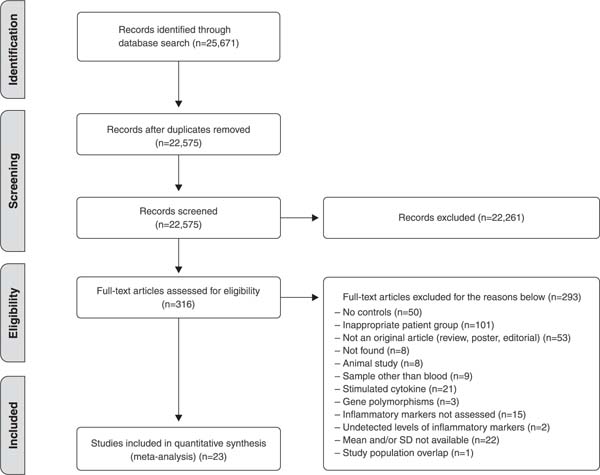
Initially, 25,671 studies were identified, of which 23 (627 AUD; 686 HC), met our inclusion criteria and were included in the meta-analysis.15,16,25-45 The high number of results can be explained by the fact that we did not exclude the term "alcoholic liver disease" (NOT "alcoholic liver disease") from our search strategy to avoid missing relevant studies. Inappropriate selection of cases (such as no exclusion of inflammatory or chronic diseases, use of immunomodulators, or uncertainty of AUD diagnosis) was the main reason for exclusion (Figure 1). The studies' characteristics are described in Table 1.15,16,25-45 Sixteen of the 23 included studies were rated as high quality (score = 6) according to the Newcastle-Ottawa Scale (Table S1, available as online-only supplementary material).
| Author | Inflammatory markers | N | % Men | Days of abstinence (SD) | Diagnostic criteria for cases | ||
|---|---|---|---|---|---|---|---|
| Cases | HC | Cases | HC | ||||
| Bird35 | TNF-a, IL-1 | 10 | 10 | 70 | 50 | NA | Heavy drinkers |
| Di Gennaro39 | CRP, ICAM1, VCAM1 | 42 | 39 | 72 | 69 | 1113 (960) | AUD |
| Fox33 | IL-6, IL-10, TNF-a, TNFR1 | 39 | 46 | 71.8 | 58.7 | NA | AUD |
| Fox34 | IL-1ra, IL-6, TNF-a, TNFR1 | 12 | 21 | 86 | 62 | NA | AUD |
| Garcia-Valdecasas-Campelo40 | TNF-a, IL-6, IL-8, IL -10, cortisol | 26 | 12 | 92.30 | 66.66 | NA | Heavy drinkers |
| Heberlein42 | TNF-a, IL-6 | 30 | 18 | 100 | 100 | NA | AUD |
| Irwin43 | IL-6, TNF-a | TNF-a:14IL-6: 12 | TNF-a:13IL-6: 11 | 100 | 100 | 18.8 (8.9) | AUD |
| Kiefer41 | TNF-a | 30 | 30 | 100 | 100 | ½ - 1 | AUD |
| Laso44 | IL-4, IL-12, IFN? | 14 | 10 | 93 | 93 | NA | Heavy drinkers |
| Leclercq45 | TNF-a, IL-6, IL-1 ß, IL-8 | 15 | 6 | 56 | 50 | 1 | Heavy drinkers |
| Liu25 | IL-22, IL -27, IL-13, CCL 20/MIP3-a, TNF-a | 9 | 10 | NA | NA | NA | AUD |
| Maes26 | IL-6, sIL-6R, IL-1RA, IL-8 | 12 | 12 | 90.90 | 83.33 | > 30 | AUD |
| Manzardo36 ┼ | IL1- a, IL-1 ß, IL-1Ra, IL-2, IL-3, IL-4, IL-5, IL-6, IL-7, IL-8, IL-9, IL-10, IL-12p40, IL-12p70, IL-13, IL-15, IL-17, sCD40L, TNF-a, TNF- ß, IFN?, IFN- a2, Flt3 ligand, GCSF, GMCSF, EGF, Eotaxin, FGF2, Fractalkine, RANTES, GRO, IP-10, MCP1, MCP3, MDC, MIP1, MIP1, TGF, VEGF | 40 | 30 | 100 | 100 | NA | AUD |
| Naveau27 | TNF-a, TNFsRp55, TNFsRp75 | 23 | 22 | 84 | 68 | 2 | Heavy drinkers |
| Naveau28 | TNFsRp, IL-10 | 25 | 22 | NA | 68 | NA | Heavy drinkers |
| Nikou29 | IL-7, IL-10, G-CSF | 48 | 84 | 83 | NA | 1 | AUD |
| Soylu30 | IL-1 ß, IL-2R, IL-6, IL-8, TNF-a | 15 | 17 | NA | NA | NA | Heavy drinkers |
| Urbaschek31 | TNF-a, IL-6, IL-10, sICAM-1, sCD14 | 20 | 20 | NA | NA | 1 | Heavy drinkers |
| Vidali32 | IL2-, IL-6, IL-8, TNF-a | 29 | 34 | 100 | 100 | 2 | Heavy drinkers |
| Warner38 | IL-1 ß, TNF-a | 15 | 29 | 46.66 | - | NA | AUD |
| Xu37 | IL-6, TNF-a, cortisol, CRP | 83 | 61 | 100 | 100 | NA | AUD |
| Yen16 | TNF-a, IFN?, IL-2, IL-4, IL-5, IL-6, IL-8, IL-10, GM-CSF | 78 | 86 | 100 | 100 | ½ - 3 | AUD |
| Zahr15 | IL-1A, IL-1 ß, IL-1RA, IL-2, IL-3, IL-4, IL-5, IL-6, IL-7, IL-8, IL-9, IL-10, IL-12-p40, IL-12-p70, IL-13, IL-15, IL-17, sCD40, GCSF, GMC-SF, TNF-a, TNFß, IFN?, IFN-a | 81 | 54 | 66 | 51.80 | 96.1 (96.3) | AUD |
ADS = Alcohol Dependence Scale; AUD = alcohol use disorder; AUDIT = Alcohol Use Disorders Identification Test; BDI = Beck's Depression Inventory; CCL 20 = chemokine (C-C motif) ligand 20; CIWA = Clinical Institute Withdrawal Assessment for Alcohol; CRP = C-reactive protein; GCSF = granulocyte colony-stimulating fator; GMC-SF = granulocyte macrophage colony-stimulating factor; HRSD = Hamilton Depression Rating Scale; ICAM = intercellular adhesion molecule-1; IFN = interferon; IL = interleukin; IL-2R = interleukin-2 receptor; MIP3-a = macrophage inflammatory protein-3 alpha; NA = not available; NIAAA Q6 = National Institute of Alcohol Abuse and Alcoholism 6-question survey; OCDS = Obsessive-Compulsive Drinking Scale; SADS-L = Affective Disorder and Schizophrenia-Lifetime; sCD14 = soluble CD14; SCID = Structured Clinical Interview for DSM-IV; SESA = Severity Scale of Alcohol dependence; sIL-6R = soluble IL6 receptor; sICAM-1 = soluble intercellular adhesion molecule-1; SSAGA = Semi-Structured Assessment for the Genetics of Alcoholism; STAI = State and Trait Anxiety Inventory; TLFB = Time Line Follow Back Questionnaire; TMT = Trail making test; TNF = tumor necrosis factor; TNFsRp = TNF soluble receptor; VCAM1 = vascular cell adhesion molecule-1; YBOCS = Yale-Brown Obsessive Compulsive Drinking Scale.
┼ Data available only for IL-7, IL-8, IL-17, IL-12 (p70), GMCSF, TNF-a, IFN?, IFN- a2, GCSF, GMCSF, EGF, Eotaxin, FGF2, Fractalkine, RANTES, GRO, IP-10, MCP1 and MCP3.
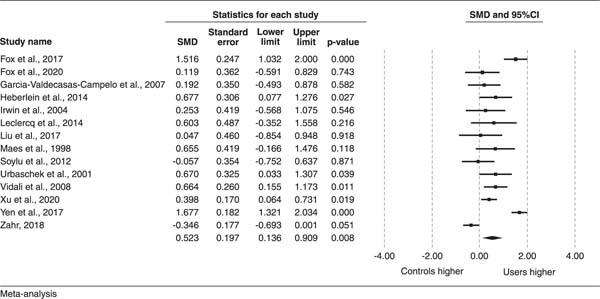
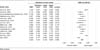
Separate meta-analyses were performed for 14 inflammatory markers. Interleukin 6 (IL-6) was significantly higher in AUD than HC, with a medium effect size (0.523; 95%CI 0.136-0.909; Figure 2). No differences were found for the other 13 cytokines. Table 2 describes the meta-analysis results.
| Biomarker(no. studies) | AUD (n) | Healthy controls (n) | SMD (95%CI) | p-value | Heterogeneity | ||
|---|---|---|---|---|---|---|---|
| Q statistics (DF; p values) | t2 | I2 (%) | |||||
| TNF-a (17) | 555 | 502 | 0.333 (-0.108-0.769) | 0.140 | 171.867 (16; < 0.001) | 0.745 | 90.69 |
| IL-1 (5) | 205 | 192 | 0.216 (-0.462-0.894) | 0.533 | 35.114 (4; < 0.001) | 0.502 | 88.61 |
| IL-1RA (2) | 93 | 66 | 0.637 (-0.672-1.945) | 0.340 | 13.837 (1; < 0.001) | 0.827 | 92.77 |
| IL-2 (4) | 203 | 191 | 0.481 (-0.394-1.356) | 0.281 | 47.595 (3; 2.598) | 0.735 | 93.69 |
| IL-4 (3) | 173 | 150 | 0.233 (-1.175-1.642) | 0.745 | 60.403 (2; 7.649) | 1.471 | 96.69 |
| IL-5 (3) | 168 | 150 | 0.365 (-0.696-1.426) | 0.500 | 33.906 (2; 4.339) | 0.797 | 94.1 |
| IL-6 (14) | 462 | 408 | 0.523 (0.136-0.909) | 0.008 | 87.735 (13; < 0.001) | 0.438 | 85.18 |
| IL-7 (2) | 129 | 138 | 0.759 (-0.794-2.311) | 0.338 | 34.514 (1; 4.231) | 1.219 | 97.10 |
| IL-8 (8) | 296 | 251 | 0.380 (-0.077-0.838) | 0.103 | 41.377 (7; < 0.001) | 0.339 | 83.08 |
| IL-10 (7) | 317 | 306 | 0.335 (-0.651-0.662) | 0.987 | 81.217 (6; < 0.001) | 0.683 | 92.61 |
| IL-13 (2) | 90 | 64 | -0.196 (-0.519-0.126) | 0.233 | 0.268 (1; 0.605) | 0 | 0 |
| IL-15 (2) | 90 | 64 | -0.047 (-0.368-0.275) | 0.777 | 0.027 (1; 0.869) | 0 | 0 |
| IFN? (3) | 173 | 150 | 0.109 (-1.009-1.227) | 0.848 | 39.80 (2; 2.282) | 0.903 | 94.97 |
| sCD14 (3) | 129 | 83 | 0.878 (-0.068-1.824) | 0.069 | 14.839 (2; < 0.001) | 0.597 | 86.52 |
Bold type denotes statistical significance.
95%CI = 95% confidence interval; AUD = alcohol use disorder; DF = degrees of freedom; IFN? = interferon-gamma; sCD14 = soluble CD14; SMD = standardized mean difference; TNF = tumor necrosis factor.
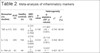
Heterogeneity was high for almost all biomarkers (I2 = 83.08 to 97.10%) and nonexistent for IL-13 and IL-15 (I2 = 0%). To identify sources of heterogeneity, subgroup analyses and meta-regressions were performed for TNF-a and IL-6, given that more than ten studies assessed each cytokine. We were unable to perform these analyses for the other cytokines due to the limited number of studies.
The results of the Begg-Mazumdar rank correlation test (yielding Kendall's tau) and the Egger bias test did not suggest publication bias regarding TNF-a (Begg-Mazumdar: Tau = -0.140, p = 0.434; Eger's: Intercept = -3.261, p = 0.208), IL-1 Begg-Mazumdar: Tau = 0.100, p = 0.807; Eger's: Intercept = -2.488, p = 0.561), IL-6 (Begg-Mazumdar: Tau = -0.198, p = 0.324; Eger's: Intercept = -0.915, p = 0.669), IL-8 (Begg-Mazumdar: Tau = 0.250, p = 0.386; Eger's: Intercept = -0.247, p = 0.929) or IL-10 (Begg-Mazumdar: Tau < 0.001, p = 1.000 and Eger's: Intercept = -0.419, p = 0.926).
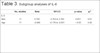
Subgroup analyses of IL-6 are shown in Table 3. Studies that did not describe the exclusion of other inflammatory diseases showed no significant difference in IL-6 levels between cases and controls, as opposed to studies that clearly excluded these diseases. We could not perform subgroup analyses for psychiatric comorbidities, AUD symptom severity, or days of abstinence due to the small number of studies.
| No. studies | Beta | 95%CI | p-value | R2 | |
|---|---|---|---|---|---|
| IL-6 | |||||
| Men | 11 | 0.705 | -2.352 to 3.762 | 0.651 | 0.01 |
| Age | 11 | -0.089 | -0.176 to -0.001 | < 0.05 | 0.42 |
95%CI = 95% confidence interval.
Subgroup analyses for TNF-a are shown in Table S2, available as online-only supplementary material. Studies with heavy drinkers had low heterogeneity (I2 = 26%) and showed significantly higher levels of this interleukin in cases than in controls (p = 0.005). Studies that used Multiplex for sample processing or had fair control selection quality also showed significantly higher levels of TNF-a in cases than controls (p = 0.03 and p = 0.04, respectively), although the heterogeneity remained high (I2 = 83 and I2 = 75%, respectively).
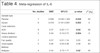
Meta-regressions of IL-6 are described in Table 4, while meta-regressions of TNF-a are described in Table S3, available as online-only supplementary material. Since only a few studies assessed liver enzymes16,27,30-32,37,41 or BMI,15,16,30,37,40,42,43,45 we could not perform meta-regression analyses for these variables.
| No. studies | SMD | 95%CI | p-value | I2 (%) | |
|---|---|---|---|---|---|
| Sample type | |||||
| Plasma | 7 | 0.690 | 0.036-1.344 | 0.039 | 92 |
| Serum | 6 | 0.416 | 0.141-0.691 | 0.003 | 0 |
| Case selection | |||||
| AUD | 9 | 0.57 | 0.02-1.11 | 0.04 | 90 |
| Heavy drinkers | 5 | 0.44 | 0.14-0.73 | 0.004 | 0 |
| Control selection | |||||
| Fair quality | 7 | 0.57 | 0.01-1.14 | 0.05 | 83 |
| Good quality | 5 | 0.46 | -0.05-0.96 | 0.08 | 85 |
| Method | |||||
| Multiplex | 4 | 0.50 | -0.72-1.71 | 0.02 | 95 |
| ELISA | 10 | 0.53 | 0.24-0.83 | 0.0004 | 59 |
| Clinical comorbidities | |||||
| Clearly excluded | 11 | 0.42 | 0.06-0.77 | 0.02 | 76 |
| Not specified | 3 | 0.85 | -0.12-1.83 | 0.09 | 87 |
Bold type denotes statistical significance.
95%CI = 95% confidence interval; AUD = alcohol use disorder; ELISA = enzyme-linked immunosorbent assay; SMD = standardized mean difference.
DISCUSSION
Although inflammation has long been associated with alcohol consumption,2 we found very few studies that focused on understanding its role in the progression and severity of alcohol use disorders. We found that IL-6 is significantly higher in individuals with AUD than HC (p = 0.008). Heterogeneity was high for almost all biomarkers, and our meta-regressions and subgroup analyses explained part of these discrepancies. Age moderated the effect on IL-6, suggesting that inflammation in AUD can be more evident among younger individuals.
Animal studies have shown that IL-6 modulates the consumption of alcohol. Higher levels of this cytokine are associated with increased preference or ingestion of alcohol, with the opposite occurring in IL-6 depleted mice.12 IL-6 levels have also been associated with anxiety and depressive symptoms during withdrawal (with conflicting results), as well as with comorbid depressive disorder.42,46,47
Specific changes in immune reactivity have been associated with aging, including a higher level of basal activity.48,49 Therefore, significant variations in inflammatory markers between older adults with AUD and older HC would be more difficult to observe. This may explain why age tended to have a negative moderating effect on IL-6 levels in our meta-regression. Assessment of different age groups in future studies could help resolve this question.
In contrast to findings from other meta-analyses on inflammation and psychiatric disorders,7-10,50 we found no association between AUD severity and interleukin levels. This could be due to a lack of power, since only a few studies described AUD severity. However, other studies on AUD biomarkers also found no association with drinking behaviors.51,52 Additionally, we found no association between AUD and some interleukins that have been associated with neuroprogression, such as IL-1 and TNF-a.10,20
Finally, studies on TNF-a and alcohol-related disorders are suggesting its role as a biomarker for illness duration and withdrawal symptom severity.41,42,53 However, we only found significantly higher levels of this interleukin, in comparison to controls, when the case group was selected based on alcohol volume (heavy drinkers) instead of diagnostic criteria for AUD. Studies with heavy drinkers required continuous high alcohol consumption for a long period of time (usually at least one year), which is not essential for diagnosing AUD. Perhaps this drinking pattern is more relevant for TNF-a levels than for other criteria used in AUD studies.
Our findings should be interpreted in light of some limitations. First, because alcohol is known to cause some inflammatory diseases, such as ARLD, we found several studies that were originally designed to assess this association. However, one limitation of these studies is that because the volume of alcohol ingested per day is more relevant for organ damage than other criteria applied to evaluate AUD,54 most of these studies did not carefully evaluate other important variables, such as disorder severity, the presence of binge drinking, age at first use, years since problem use began, and days or hours since the last drink at sample collection. However, the majority of studies designed to evaluate AUD did not give a detailed description of these elements.15,26,29,41,42,45 This is important since immune signaling is being implicated in the neuroprogression of other severe psychiatric disorders, and the inflammatory response may vary if alcohol is being consumed acute or chronically.20,21
It is important to point out that we did not exclude individuals with steatosis from our meta-analysis. In contrast to hepatitis, which is an acute and more severe form of ARLD, steatosis is mild and can be diagnosed in 90% of individuals with AUD or heavy drinking.2 Therefore, excluding it would limit the generalizability of our results. Besides, although injured hepatocytes can be a source of pro-inflammatory cytokines, we would consider it a confounding factor only if it were caused by an agent other than alcohol, since the brain can also be affected by systemic inflammation.5,12
Second, only a few studies included women in their samples, and the total number of female participants was very low.15,26,27,35,40,45 Studies on immunology have shown sex differences in cytokine expression, with females having stronger immune responses than males.55-57 Therefore, we cannot rule out the influence of this variable, and future studies should separate their analyses by sex or perform single-sex studies, especially on women, since data are still scarce.
Third, higher blood IL-6 levels have been found in post-traumatic stress disorder, major depression, and schizophrenia.6,7,8,10 Because AUD is commonly comorbid with these disorders,57 it would be important to evaluate whether psychiatric comorbidities moderate the results found in this meta-analysis. However, only four studies objectively excluded other psychiatric disorders15,16,26,43 and three included depressive symptoms in the analyses.16,42,43
Finally, only analysis of IL-6 and TNF- a included more than 10 studies. Analysis of the other cytokines relied on a small number of studies and, thus, might be underpowered. Additionally, the small number of studies limited our ability to explore heterogeneity and identify potential moderators of the differences between AUD and HC. However, as a strength, this review performed a comprehensive search and selected studies according to strict criteria.
In conclusion, despite the large amount of evidence regarding alcohol and inflammatory diseases, few studies have assessed the role of neuroimmune signaling in the development and severity of AUD. Our findings suggest that future studies should evaluate patterns of alcohol consumption thoroughly, as well as the other variables discussed above, to avoid confounding factors and permit a more comprehensive understanding of inflammation and AUD.
ACKNOWLEDGMENTS
The authors would like to thank Dr. Michael Irwin, Dr. Sophie Leclercq, Dr. Yusuf Ransome, and Dr. Rodríguez-Rabassa for providing us with data and details from their studies.
Disclosure
The authors report no conflicts of interest.
 PDF
 Print
 Send this article by email
 How to cite this article
 Submit a comment
 Mendeley
 Pocket
 Share on Facebook
 Share on Twitter



