



ABSTRACT:
OBJECTIVE: To analyze the related influencing factors of major depressive disorder (MDD) in adolescents,
focusing on suicidal and self-injurious behavior (SSIB).
METHODS: A total of 299 adolescents with MDD who were admitted to the psychiatric department
of our hospital between February 2022 and July 2023 were selected by using convenience
sampling. Participants were divided into the SSIB group (n=110) and the non-SSIB group
(n=189) according to the presence of SSIB. Related indicators were collected and compared.
RESULTS: Participants' age at first SSIB ranged from 10 to 18 years old, with a mean age of
13.30±1.74 years. The most injured parts were lower arm and wrist (42.13%). Cutting
was the most common type of injury, accounting for 40% of all participants. The most
common type of self-injury differed by sex (χ2 = 17.798, p = 0.006): for men, hitting was the most common; for women, cutting was
the most common. In 51.41% of participants, the time between the first thought and
the actual SSIB was less than 5 minutes. Scores on the Eysenck Personality Questionnaire,
the Barratt Impulsiveness Scale, the Buss-Perry Aggression Questionnaire Chinese version,
the Symptom Checklist-90 (all p < 0.001), and the Health Risk Behavior Scale (67.47±12.59
vs. 41.58±11.36, t = 9.587, p < 0.001) were significantly higher in the SSIB group
than in the non-SSIB group. In addition, the total score of quality of life (QoL)
(11.36±4.32 vs. 16.43±5.64, t = 5.496, p < 0.001) was lower in the SSIB group than
in the non-SSIB group.
CONCLUSION: The SSIB of adolescents with MDD relates to various factors, including impulsiveness,
aggressiveness, personality traits, QoL, and mental health level.
Keywords: Adolescent; suicide attempt; non-suicidal self-injury; risk factors; suicidal and self-injurious behavior and major depressive disorder.
FIGURES
| Received: March 05 2024; Accepted: April 23 2024 |
INTRODUCTION
Major depressive disorder (MDD) is the most common mental illness worldwide and is characterized by emotional symptoms, such as anhedonia. In some cases, individuals with MDD may also experience cognitive symptoms, including deficits in attention and memory. Research shows that the lifetime prevalence of MDD is nearly 16% globally.1 Other studies demonstrate that MDD is already a significant global socioeconomic burden that is expected to increase by 2030.2 With the increasing incidence of suicidal and self-injurious behaviors (SSIB) and the severity of related risks,3 MDD has become a major concern in both the academic community and clinical practice. SSIB generally includes nonsuicidal self-injury (NSSI) and suicide attempt (SA). In the DSM-11, suicidal ideation is listed as one of the dimensions of intentional self-injury. The core difference between suicidal self-injury and NSSI is suicidal intent.4 Therefore, suicide is considered a special type of intentional SSIB.
NSSI usually begins in mid-adolescence (14 to 16 years old) and continues into early adulthood.5 In addition, NSSI is commonly seen in adolescents with MDD, and it significantly interacts with MDD in terms of suicide risk. Therefore, NSSI is considered a high-risk predictor of an SA that significantly surpasses other risk factors; it is also an important precursor of suicidal behavior in the future.6 Epidemiological studies show the prevalence of NSSI among adolescents is 14-46% in community samples7 and is even higher in clinical samples, ranging from 30 to 61%.8 Full-time school attendance, non-Western countries, low- and middle-income countries (LMIC), and geographical locations may also contribute to the higher aggregate prevalence of NSSI.4 Because of the high prevalence and risk of NSSI in adolescents, there is a critical need to examine the risk factors for NSSI in adolescents with MDD.
SA refers to intentional, direct self-destructive behavior with some degree of suicidal intent and is increasingly considered one of the strongest predictors of future suicidal behavior.9 The prevalence of SA among adolescents with MDD remains alarming. A systematic review on the prevalence of suicide among adolescents showed the average percentage of adolescents who attempted suicide was 9.7% as well as 29.9% of adolescents reported they had considered suicide at some point in their lives.10 A random sampling survey of 9,808 college students from 11 universities in Chongqing reported an incidence of SA of 1.7% and an incidence of suicidal ideation as high as 13%.11 There is considerable overlap between NSSI and SAs, and they often co-occur. Up to 70% of adolescents with NSSI report a history of SA in clinical samples,12 and about 3.8-7% of adolescents report both NSSI and SA behaviors in community samples.13,14 Therefore, an objective, effective way to identify NSSI and SA in order to assess future suicide risk is particularly important. Studies have shown people with SA use methods (e.g., self-poisoning, hanging, and shooting) that are more lethal than NSSI behaviors without any suicidal ideation, such as cutting and scratching.13
Studies of NSSI have focused primarily on general middle school and university students, with few surveys and studies of adolescents with MDD. However, the incidence of NSSI among adolescents with MDD is high, and suicidality is more pronounced. Therefore, early identification of individuals at risk for NSSI and with prompt, effective intervention. The present study is designed to investigate the characteristics and influencing factors of NSSI among adolescents with MDD as well as to provide evidence for early identification and intervention, thus reducing the occurrence of SSIB in adolescents.
METHODS
A total of 299 adolescents with MDD who were admitted to the psychiatric department of the hospital between February 2022 and July 2023 were selected by using convenience sampling. Participants were divided into SSIB group (n=110) and non-SSIB group (n=189) according to the presence of SSIB. Related indicators were then collected and compared.
Inclusion criteria were individuals who 1) met the diagnostic criteria for MDD according to the DSM-5; 2) had a Hamilton Depression Rating Scale (HDRS) 17 score of = 17; 3) were 13 to 20 years old (inclusive) and of Han ethnicity; and 4) had an average intelligence with good understanding and ability to cooperate with the requirements of study. Exclusion criteria were individuals 1) with complicated mental disorders (e.g., schizophrenia, bipolar disorder, or personality disorder); 2) with a history of organic brain disease, craniocerebral trauma, and major physical diseases; 3) with a psychoactive substance use disorder; 4) who were pregnant and lactating; and 5) with either a current or previous history of substance abuse, or dependence or a family history of mental illness or self-injurious behavior (SIB).
Determination of SSIB
Suicidal ideation in the past 12 months and the preceding 1 month was assessed by using the modified Beck Scale for Suicidal Ideation (BSS) revised by the Beijing Psychological Crisis Research and Intervention Center.15 This scale includes a four-level score ranging from 0 to 3, and individuals scoring > 1 are classified as positive for an item. The consistency reliability of BSS is 0.870.16 The SSIB was evaluated by using related questions from the Suicidal Attitude and Mental Health Status Questionnaire (University Edition-IV) developed by the Beijing Psychological Crisis Research and Intervention Center.17 The main purpose of this evaluation was to evaluate the presence and frequency of SSIB. For the most recent SSIB, data regarding method, tool source, plan, treatment received, help sought after the behavior, primary reason and purpose for the behavior, and degree of suicidal ideation at time of behavior (0-100 points). A positive outcome was defined as a positive response to the question "Have you at any time in the past committed self-injury or suicide, such as taking drugs or cutting your wrists?" The subsequent detailed items on the SSIB were completely answered. Participants with positive outcomes were included in the SSIB group, and the remaining individuals were included in the non-SSIB group.
These assessments were conducted in a quiet room. The investigator provided individualized explanations to participants. Questionnaires were filled and collected on site. In all, 310 questionnaires were distributed. After deleting illogical responses (e.g., cases in which the reported time of SSIB was later than the time of assessment), 299 valid questionnaire responses were collected, yielding an effective response rate of 96.45%.
Data collection
A self-report questionnaire was used to collect general demographic data regarding sex, age, race, only child or not, registered residence, and years of education.
Data on personality traits
An 88-item version of the Eysenck Personality Questionnaire (EPQ) revised by Gong Yaoxian18 was used. The questionnaire includes four scales: P (psychoticism), E (extroversion), N (neuroticism), and L (lie). The P, E, and N scales primarily on three fundamental dimensions of personality, whereas the L scale measures an individual's tendency to provide untrue answers and the simplicity of those answers. Reliabilities were 0.74-0.78 for the E, N, and L scales and 0.54-0.60 for the P scale.19
Impulsive personality traits were screened by using the Chinese version of the Barratt Impulsiveness Scale (BIS-CV), revised by Li Xianyun et al.20 This scale consists of 30 items and three subscales: cognitive impulsiveness, behavioral impulsiveness, and non-planning impulsiveness, scored ranging from 1 to 5. Higher scores indicate greater impulsiveness. Cronbach's alpha coefficients for this scale and its three subscales were 0.77-0.89, and test-retest reliabilities were 0.68-0.89 in college students. The reliability and validity of this scale were good among high school students in Chongqing with a Cronbach's alpha coefficient of 0.83 and a split-half reliability of 0.91.21
Aggressive personality traits were screened by using the Buss-Perry Aggression Questionnaire Chinese version (AQ-CV), revised by Li Xianyun et al.22 This scale consists of 30 items and five subscales: physical aggression, verbal aggression, anger, hostility, and self-aggression, all scored ranging from 1 to 5. Higher scores indicate greater aggressiveness. Cronbach's alpha coefficients of the individual subscales were 0.60-0.89, and the test-retest reliabilities were 0.54-0.81 in college students.
Data on mental health
The level of mental health of adolescents over the past month was evaluated by using the Symptom Checklist 90 (SCL-90), which was translated into Chinese by Wang Zhengyu.23 The SCL-90 is a classic self-rating scale that measures various aspects of psychological symptoms, including sensations, mood, thought, consciousness, behavior, living habits, interpersonal relationships, diet, and sleep. Ten subscales were used to assess the different aspects of psychological symptoms. The SCL-90 results were determined by the number of positive items (a score = 2) and the score of each item. More positive items indicate a higher score for each item and poorer mental health. A score greater than 2 (i.e., higher than the normal average value) indicates the presence of psychological problems on that item. Reliability and validity of this scale were good among high school students in Guangxi province. Cronbach's alpha coefficients of SCL-90 and its 10 subscales were 0.70-0.95; split-half reliabilities were 0.70-0.97.24
Data on quality of life
Adolescents' living conditions in the past month were assessed for six domains: physical, psychological, economic, work or study status, family relationships, and relationships with others,25 using a QoL scale developed by the Beijing Psychological Crisis Research and Intervention Center. QoL was defined as low for participants who scored 1 or 2 on a five-point scale (1 = very poor, 2 = poor, 3 = fair, 4 = good, 5 = very good). The internal consistency of the scale was 0.865.
Data on health-risk behaviors (HRBs)
Internet addiction (IA) behaviors were assessed by using a validated Chinese version of Young's Internet Addiction Test.26 This is a five-point Likert scale, with 20 items. The total score range of the Young's IA Test is 20-100, and a score of 40 or higher indicates the presence of IA. Cronbach's alpha coefficient for this scale was 0.85.27 Questions about smoking, drinking, gambling, and drug use were asked to measure the HRBs in the past month. Questions included the following: "How many days have you smoked in the last 30 days?"; "How many days have you used drugs in the last 30 days?"; "How many days have you been drinking in the last 30 days?"; "How many days have you had difficulty performing your daily activities or studying due to alcohol consumption in the last 30 days?"; and "How many days have you participated in activities such as playing mah-jongg, playing Golden Flower, gambling and buying lottery tickets in the last 30 days?"
Statistical analysis
Statistical analysis was performed by using SPSS 26.0 statistical software. For measurement data, Kolmogorov-Smirnov test was used to test the normality. Data with normal distribution were presented as mean±SD. Levene test was used for homogeneity of variance for the two groups. For data with homogeneous variance, a t test was used to compare means between groups. Enumeration data were presented as frequencies (n) or rates (%). χ2 test was used directly if qualified; otherwise, the χ2 test of continuity correction or Fisher's exact probability test was used. Two-sided p-values < 0.05 were considered statistically significant.
Ethics statement
This study was conducted in accordance with the tenets of the declaration of Helsinki and was conducted with approval from the ethics research committee of Wenzhou Seventh People's Hospital under approval code of EC-KY-2022048. All participants signed informed consent forms.
RESULTS
General data
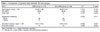
There were 110 patients in the SSIB group, including 45 men and 65 women, with a mean age of 16.26±1.98 years. There were 189 patients in the non-SSIB group, including 96 men and 93 women, with a mean age of 16.63±2.07 years. No statistically significant differences were observed between the two groups with respect to sex, age, proportion of only child, registered residence, years of education, and proportion of divorced parents (all p > 0.05) (Table 1).
| Items | SSIB group (n=110) | Non-SSIB group (n=189) | t/χ2 | P-value |
|---|---|---|---|---|
| Age (years), mean ± SD | 16.26±1.98 | 16.63±2.07 | 1.213 | 0.124 |
| Sex (M/F) | 45/65 | 96/93 | 2.726 | 0.099 |
| Only child | 42 | 91 | 2.797 | 0.094 |
| Registered residence | 0.432 | 0.511 | ||
| Rural | 36 | 55 | ||
| Urban | 74 | 134 | ||
| Education (years), mean ± SD | 10.41±3.52 | 9.46±4.34 | 0.983 | 0.481 |
| Divorced parents | 13 | 23 | 0.008 | 0.928 |
Data presented as n, unless otherwise specified.
F = female; M = male; SSIB = suicidal and self-injurious behavior.
Behavioral characteristics of adolescent major depressive disorder with suicidal and self-injurious behavior
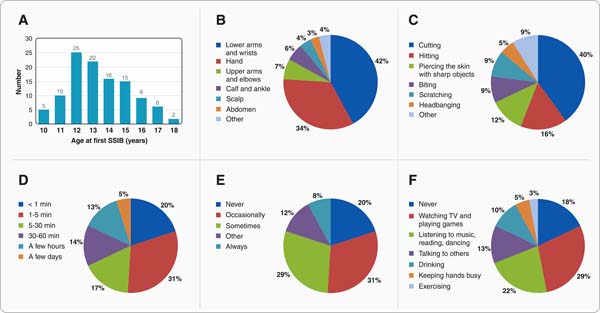
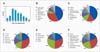
In all, 299 participants were included in the present study, and SSIB was reported in 110 of them. Participants' age at the time of the first SSIB ranged from 10 to 18 years old, with a mean age of 13.30±1.74 years. The highest incidence of SSIB (42.72%) occurred from 12 to 13 years of age (Figure 1A). The most injured body areas were lower arm and wrist (42.13%), followed by hand (34.33%), upper arm and elbow (6.67%), calf and ankle (5.56%), scalp (4.24%), and abdomen (3.44%). The most injured body part was the upper limb, reported in 83.13% of respondents (Figure 1B). Of the types of SSIB in adolescents with MDD, cutting was the most common, accounting for 40% of cases, followed by hitting (15.56%), piercing the skin with sharp objects (12.22%), biting (8.89%), and scratching (8.89%). The most common type of self-injury differed between the sexes (χ2 = 17.798, p = 0.006), with hitting being the most common type for men and cutting being the most common type for women (Figure 1C). Among adolescents with MDD, the reported mean times between first thought of SSIB and actual SSIB were less than 1 minute (20.42% of cases), 1-5 minutes (30.99%), 6-30 minutes (16.76%), 30 minutes to 1 hour (14%), several hours (12.56%), and several days (5.27%) (Figure 1D). When asked whether they felt physical pain during self-injury, 19.74% never felt pain, 31.39% occasionally felt pain, 29.01% sometimes felt pain, 12% often felt pain, and 7.66% always felt pain (Figure 1E). Regarding resistance to SSIB, 18.44% of participants reported never resisting, whereas 81.56% of participants had attempted to resist. Out of those who resisted, the most common methods were watching TV and playing games (29.12%) (Figure 1F).
Comparison of personality traits between the two groups
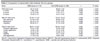
When personality traits were compared between the groups, the total scores on EPQ (44.12±8.41 vs. 38.49±7.34, t = 4.523, p < 0.001), BIS-CV (87.87±17.34 vs. 76.24±16.23, t = 5.258, p < 0.001), and AQ-CV (68.51±15.52 vs. 56.53±14.24, t = 4.567, p < 0.001), as well as the scores of each dimension, were higher in the SSIB group than in the non-SSIB group (Table 2).
| Items | SSIB group (n=110) | Non-SSIB group (n=189) | t | P-value |
|---|---|---|---|---|
| EPQ total score | 44.12±8.41 | 38.49±7.34 | 4.523 | < 0.001 |
| P score | 7.83±3.59 | 5.06±3.26 | 5.633 | < 0.001 |
| E score | 12.12±3.24 | 11.41±2.11 | 7.632 | < 0.001 |
| N score | 15.32±2.12 | 10.31±2.42 | 4.532 | < 0.001 |
| BIS-CV total score | 87.87±17.34 | 76.24±16.23 | 5.258 | < 0.001 |
| Non planning | 31.40±5.43 | 26.38±5.23 | 6.683 | < 0.001 |
| Behavioral | 25.12±5.14 | 21.45±5.25 | 4.628 | < 0.001 |
| Cognitive | 30.32±6.11 | 27.12±5.43 | 4.682 | < 0.001 |
| AQ-CV total score | 68.51±15.52 | 56.53±14.24 | 4.567 | < 0.001 |
| Physical aggression | 15.41±5.32 | 12.43±4.63 | 5.683 | < 0.001 |
| Verbal aggression | 14.30±2.23 | 10.12±2.45 | 6.573 | < 0.001 |
| Anger | 15.10±3.75 | 12.30±3.74 | 6.792 | < 0.001 |
| Hostility | 16.00±3.44 | 13.11±3.34 | 5.925 | < 0.001 |
| Self-aggression | 11.78±3.43 | 8.68±3.56 | 5.295 | < 0.001 |
AQ-CV = Buss-Perry Aggression Questionnaire Chinese Version; BIS-CV = Barratt Impulsiveness Scale; E = extroversion; EPQ = Eysenck Personality Questionnaire; N = neuroticism; P = psychoticism; SSIB = suicidal and self-injurious behavior.
Comparison of mental health level between the two groups
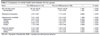
Mental health scores were compared between the two groups. The SSIB group had higher total SCL-90 score (187.45±66.34 vs. 133.42±40.45, t = 7.497, p < 0.001) and higher scores in all dimensions: somatization (1.75±0.41 vs. 1.31±0.33, t = 7.461, p < 0.001), obsessive-compulsive (2.31±0.67 vs. 1.77±0.54, t = 8.684, p < 0.001), interpersonal sensitivity (2.21±0.65 vs. 1.61±0.52, t = 7.489, p < 0.001), depression (2.21±0.76 vs. 1.51±0.52, t = 5.673, p < 0.001), anxiety (2.11±0.65 vs. 1.47±0.63, t = 6.398, p < 0.001), hostility (2.25±0.75 vs. 1.50±0.71, t = 4.678, p < 0.001), phobic (1.72±0.56 vs. 1.34±0.46, t = 4.628, p < 0.001), paranoid ideation (2.15±0.62 vs. 1.42±0.45, t = 5.463, p < 0.001), psychoticism (2.02±0.67 vs. 1.41±0.53, t = 5.824, p < 0.001), and others (2.04±0.59 vs. 1.41±0.42, t = 4.672, p < 0.001) compared to the non-SSIB group (Table 3).
| Items | The SSIB group (n=110) | The non-SSIB group (n=189) | t | P-value |
|---|---|---|---|---|
| SCL-90 total score | 187.45±66.34 | 133.42±40.45 | 7.497 | < 0.001 |
| Somatization | 1.75±0.41 | 1.31±0.33 | 7.461 | < 0.001 |
| Obsessive-compulsive | 2.31±0.67 | 1.77±0.54 | 8.684 | < 0.001 |
| Interpersonal sensibility | 2.21±0.65 | 1.61±0.52 | 7.489 | < 0.001 |
| Depression | 2.21±0.76 | 1.51±0.52 | 5.673 | < 0.001 |
| Anxiety | 2.11±0.65 | 1.47±0.63 | 6.398 | < 0.001 |
| Hostility | 2.25±0.75 | 1.50±0.71 | 4.678 | < 0.001 |
| Phobic | 1.72±0.56 | 1.34±0.46 | 4.628 | < 0.001 |
| Paranoid ideation | 2.15±0.62 | 1.42±0.45 | 5.463 | < 0.001 |
| Psychoticism | 2.02±0.67 | 1.41±0.53 | 5.824 | < 0.001 |
| Others | 2.04±0.59 | 1.41±0.42 | 4.672 | < 0.001 |
SCL-90 = Symptom Checklist-90; SSIB = suicidal and self-injurious behavior.
Comparison of quality of life and health-risk behaviors between the two groups
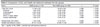
The results showed the total QoL score (11.36±4.32 vs. 16.43±5.64, t = 5.496, p < 0.001) and the scores for all dimensions were lower in the SSIB group compared to the non-SSIB group. In addition, the HRB score was higher in the SSIB group (67.47±12.59 vs. 41.58±11.36, t = 9.587, p < 0.001) than in the non-SSIB group (Table 4).
| Items | SSIB group (n=110) | Non-SSIB group (n=189) | t | P-value |
|---|---|---|---|---|
| Total QoL score | 11.36±4.32 | 16.43±5.64 | 5.496 | < 0.001 |
| Physical | 1.46±0.25 | 2.35±0.46 | 5.462 | < 0.001 |
| Psychological | 2.35±0.34 | 3.78±0.56 | 6.731 | < 0.001 |
| Economic | 2.01±0.45 | 2.43±0.79 | 6.221 | < 0.001 |
| Work or study status | 1.23±0.52 | 2.16±0.68 | 7.426 | < 0.001 |
| Family relationship | 1.56±0.57 | 2.54±0.73 | 5.683 | < 0.001 |
| Relationship with others | 1.23±0.46 | 2.14±0.57 | 6.683 | < 0.001 |
| Health risk behavior score | 67.47±12.59 | 41.58±11.36 | 9.587 | < 0.001 |
QoL = quality of life; SSIB = suicidal and self-injurious behavior.
DISCUSSION
The results of the present study showed the detection rate of SSIB in adolescents with MDD was 36.79%. In comparison, Huang Ying et al.28 reported an incidence of 61.2% of SSIB in adolescents with MDD, which was higher than the incidence found in the present study. This may be attributed to differences in age and severity of MDD. Age at first SSIB ranged from 10 to 18 years old, with the highest incidence rate occurring between 12 and 15 years old. Notably, 84.55% of participants experienced their first SSIB before 15 years old. Studies have shown the age at first SSIB can predict the severity of future SSIB and potential suicide risk.29 With increasing age, the proportion of SAs increases significantly, thus highlighting the importance of early identification and intervention to mitigate the negative effects of SSIB. Findings regarding gender differences in SSIB are inconsistent. While most studies show a higher incidence of SSIB in women than in men,30 some studies show a higher incidence in men,31 and others find no significant differences regarding sex. These discrepancies may be due to the differences in sample sources and the definitions of SSIB adopted by various assessment instruments.
In the present study, upper limbs the most targeted for SSIB, likely due to their easy access. The most common types of SSIB were cutting and hitting. Cutting was most common among adolescents with MDD, followed by skin piercing and punching. Other studies have also reported cutting, scratching, and head banging are common SSIBs among adolescents with MDD.32 In this study, cutting was the most common type of SSIB among women, and hitting was the most common among men. This difference may reflect varying coping mechanisms and emotional regulation strategies between the sexes. Cutting is often associated with NSSI and is characterized by deliberate self-harm, whereas hitting is a more overt expression of distress.
The present study showed the time between the initial thought to the actual SSIB was less than 5 minutes in 51.41% of patients. Muehlenkamp et al.14 also found most patients spent a short time thinking about SSIB before acting, indicating high impulsiveness in patients with MDD. In our study, only 19.74% of patients reported they always felt pain during self-injury, which may be attributed to a reduced sensitivity to painful stimuli in patients with MDD.33 Jiang Zhaocai et al.34 demonstrated the amygdala is involved in the processing and regulation of pain information, and patients with MDD may have abnormal amygdala activity and overactivated descending inhibitory pain pathways. This reduces sensitivity to painful stimuli and makes individuals with MDD being unable to feel pain during SSIB (their pain escape mechanism may also fail during SSIB). Endogenous opioids, which modulate nociception by binding to opioid receptors in the central nervous system,35 may an individual's choice to engage in SIBs in search of pain relief. Further research is needed to explore the precise mechanisms of action of endogenous opioids in SIBs. These findings are supported by the results of the present study. Most patients (81.56%) reported resisting SSIBs by using distractions, and the most effective methods were watching TV and playing video games. However, 18.44% of patients reported never resisting SSIBs, often believing SSIBs are nonserious and can be ignored. These findings suggest the need for increased distribution of educational material about MDD and self-injury to help adolescents recognize MDD as well as understand and reduce SSIB. Assessment and treatment by mental health professionals is essential, as they can provide appropriate diagnoses, evidence-based therapies, and support tailored to meet the need of each individual.
The present study found that adolescents with poor learning and interpersonal relationship skills were more likely to commit SSIB. Learning problems are an important risk factor for SSIB in adolescents.36 Adolescence is a critical turning point of psychological and physiological development, making adolescents more sensitive to interpersonal relationships as they experience self-formation. For example, bullying experiences are often reported as reasons for sexual minority youths.37 The mismatch between the pace and the supervision of network development, along with an insufficient understanding of the impact of network violence on the mental health of adolescents in general education, increases the risk. Children and adolescents who have experienced network violence are 2.4 times more likely to engage in NSSI, 2.6 times more likely to attempt suicide, and 2.2 times more likely to have suicidal ideation than nonvictims.38 Studies of Sweden revealed victims of bullying were uniquely associated with NSSI and SAs due to family vulnerability and preexisting mental illness.39
The present study also showed adolescents with IA, smoking, drinking, and gambling behaviors in the past month, as well as those with long-term drinking, mental, or physical problems, were more likely to engage in SSIB. HRBs, including drug use, physical inactivity, NSSI, suicidal behavior, and unintentional injury, increase susceptibility to certain diseases or illness.40 Identifying HRBs in adolescents is an important issue that requires the attention of all stakeholders, as they may lead to serious physical and psychological problems later in life. A British study suggested adolescents with problem gambling behavior should be considered at risk of suicide. Even after adjusting for anxiety, impulsive personality, life satisfaction, and other factors, problem gambling in adolescents is still strongly associated with SAs, which may be increased by multiple severe injurious experiences or significant life stress.41
There were some limitations in the present study. First, the use of a self-report questionnaire may have introduced some recall bias. Second, although patients with MDD were screened strictly according to DSM-5 diagnostic criteria, some of them may have been later diagnosed with bipolar disorder, which would have excluded them from the sample. Therefore, patients need to be followed up in future studies. Finally, the cross-sectional nature of the study prevents us from determining the temporal order and causal relationship between SSIB and its influencing factors in adolescents with MDD. Future studies with long-term follow-up are essential to provide additional scientific evidence for the identification and intervention of SSIB in adolescents with MDD.
In summary, the incidence of SSIB in adolescent patients with MDD is high, with the highest rates observed between the ages of 12 and 15 years. The most injured body parts are the lower arm and wrist, and cutting is the most common type of self-injury. The prevalence and type of SSIB in adolescents with MDD are influenced by several factors, including impulsivity, aggressiveness, personality traits, QoL, and mental health status.
 PDF
 Print
 Send this article by email
 How to cite this article
 Submit a comment
 Mendeley
 Pocket
 Share on Facebook
 Share on Twitter



