



ABSTRACT:
OBJECTIVE: To determine clusters (groups) of substance use in crack cocaine users through severity
scores on the sixth version of the Addiction Severity Index (ASI-6) and compare the
groups in relation to risk factors, such as parental style, childhood maltreatment,
and impulsivity.
METHODS: This cross-sectional study included 531 men with substance use disorder who were admitted
to an inpatient addiction treatment unit in southern Brazil. To detect more homogeneous
groups of individuals, the K-means clustering based on ASI-6 scores was used to create
groups of individuals with similar severity scores in different areas. Parenting styles
were assessed using the Measure of Parental Style, childhood trauma was assessed using
the Childhood Trauma Questionnaire, and impulsivity was measured using the Barratt
Impulsivity Scale 11. Poisson regression was used for association analysis.
RESULTS: Two distinct clusters were identified, which differed significantly across all composite
scores (p < 0.001). These associations were further confirmed through Poisson regression
analysis. The more severe cluster showed significantly higher scores for maternal
abuse (p = 0.026), sexual abuse (p = 0.003), motor impulsivity (p = 0.014), and unplanned
impulsivity above the 75th percentile (p = 0.032) than the less severe group. Other
parenting styles, trauma types, and impulsivity did not differ significantly between
the groups.
CONCLUSION: Dividing patients into severity clusters can contribute to more targeted treatments.
Further research on outpatients would reinforce the importance of early life factors
and impulsivity treatment.
Keywords: Childhood; behavior; crack cocaine; addiction; cluster analysis.
FIGURES
| Note: How to cite this article: Bumaguin DB, Narváez JCM, Schuch JB, Daitschman D, Kato SK, von Diemen L, et al. Parental style, childhood trauma, and impulsivity contribute to the severity of crack cocaine addiction: a cluster analysis. Braz J Psychiatry. 2025;47:e20243645. http://doi.org/10.47626/1516-4446-2024-3645 |
| Received: March 27 2024; Accepted: January 19 2025 |
INTRODUCTION
The worldwide estimated prevalence of crack cocaine use is between 0.3 and 0.5%,1 with an estimated annual usage prevalence of 1.03% in South America.1 Although snorted cocaine consumption has declined in the European Union, crack cocaine consumption has not.2 In Brazil in 2015, the lifetime estimated use of snorted cocaine and crack cocaine was 3.1% and 0.9%, respectively.3 However, this estimated used of cocaine/crack reached 12.9% in a recent study of students from metropolitan São Paulo.4 Crack cocaine use disorder ranked first as a motive for detoxification treatment in Argentina, Uruguay, and Chile, and it ranked second in Brazil.2 This concerning scenario reinforces the need for further studies in the area.
Crack cocaine use has serious repercussions on the lives of users and on society. Including a major impact on the physical and mental health of users.5 Crack cocaine users have historically suffered social marginalization, a history of imprisonment, violence, and sex work, including exposure to sexually transmitted diseases.6-8 Different factors can affect the severity of addiction, including inherent sex differences, such as prevalence, metabolism, and hormonal responses, in addition to vulnerability and sociocultural factors.9-11 Overall, clinical presentation and biological effects distinctly affect the course of addiction according to sex. Hence, sex-specific analyses are necessary to better understand the role of different factors in addiction severity and reduce sex-related bias. Parenting styles and childhood maltreatment have also been associated with substance use. For instance, authoritarian, permissive, and neglectful parenting styles have been more associated with drug use and addiction tendency than indulgent parenting styles (warmth without strictness).12,13 Furthermore, in a meta-analysis Rakovski et al.14 found evidence of a relationship between different types of abuse and the use of licit and illicit substances. In particular, there was a relationship between physical and sexual abuse and marijuana use, and between sexual abuse and cocaine, hallucinogen, and other unspecified substance use.14 Impulsive behavior has also been associated with substance use through different mechanisms. One such mechanism is reduced cognitive and response inhibition. Another factor is damaged brain structure and function due to acute or chronic substance use. Finally, genetic and environmental factors can also influence distinct behaviors related to substance use disorder.15
Individuals with addiction have difficulties accessing health systems and a high prevalence of medical and psychiatric illness. Social inclusion is fundamental but still insufficient and should also be linked to addiction treatment.16 Recent studies have highlighted factors associated with a lack of adherence after hospitalization or outpatient treatment, such as the lack of family support and the fact that some patients have been homeless in the last 6 months.17
Over the last few decades, psychiatric studies have classified substance users to better understand use and severity profiles, mainly due to the widely heterogeneous characteristics mentioned above. Grouping users to better understand them can lead to more personalized care and more effective treatment strategies. To find behavioral differences among polydrug users, a British study identified three patterns of use: extensive, moderate, and none.18 Another recent study described four classes among crack cocaine users: light use, moderate use, daily use, and very high quantity use.19 In this context, it is extremely important to find a more reliable way, based on the clinical context of users, to understand consumption patterns and repercussions, considering socioemotional aspects and behavior.
Dividing users into groups based on severity, as well as affective and behavioral expression, would allow a better response to their care needs, especially in Brazil's sociocultural context. Since substance users face problems in social, medical, and legal areas, a comprehensive assessment can help create more homogeneous groups. The Addiction Severity Index (ASI) provides a global assessment of addiction severity. Using this instrument to group users into clusters would be of great importance due to its scope.
Therefore, the aims of this study were to determine severity clusters of substance use in crack cocaine users according to severity scores on the sixth version of the ASI (ASI-6) and to compare these groups regarding risk factors cited in the literature, such as parental style, childhood maltreatment, and impulsivity.
METHODS
Sample
The sample consisted of 531 men diagnosed with substance use disorder according to DSM-5 criteria who were admitted to an inpatient addiction treatment unit in Porto Alegre, Brazil. Patients aged at least 18 years who reported that crack cocaine was their preferred substance and provided written informed consent were included in the study. We excluded patients with psychotic disorders or cognitive deficits - assessed through interviews with specialists - that prevented them from responding to the questionnaires. An expected difference between the clusters for all variables, with an effect size d = 1.5, considering a separation between the centroids ? > 4 would result in a power of 100%.
Procedures
Trained health researchers, supervised by senior psychologists and psychiatrists, assessed all participants using the Brazilian versions of clinical and semi-structured interviews. Evaluator training guaranteed the correct application of the instruments, as well as the veracity and accuracy of the measurements. Patients were invited to participate in the study on the first or second day after hospitalization, provided the effects of intoxication did not interfere with their ability to provide informed consent. The questionnaires and scales were applied during the first week of detoxification, although this was delayed if it was determined that acute symptoms could interfere in the assessment.
To assess substance use severity, sociodemographic and clinical data were collected, in addition to ASI-620 results. The Measure of Parental Style is a self-report instrument that assesses the relationship between respondents and their parents during childhood and adolescence.21 It measures three parenting styles: indifference, abuse, and overcontrol. The Childhood Trauma Questionnaire, which is also self-reported,22 assesses the occurrence of maltreatment, abuse, and neglect during childhood, but does not necessarily involve parents. It consists of five subscales: emotional abuse, physical abuse, sexual abuse, emotional neglect, and physical neglect. Childhood trauma is categorized as absent or present based on scores for each subtype. Childhood trauma is classified as scores = 10 in the physical neglect and physical abuse subscales, = 15 in the emotional neglect subscale, =13 in the emotional abuse subscale, and = 8 in the physical abuse subscale. Patient impulsivity was measured using the Barratt Impulsivity Scale 11,23 which consists of three subscales: attentional, motor, and unplanned impulsivity. All questionnaires had been previously translated and validated for Brazilian Portuguese.
Statistical analyses
The REDCap platform was used to include and extract data. Statistical analyses were performed in R 4.2.1 and SPSS 20.0. Data normality was assessed using the Kolmogorov-Smirnov test.
Clusters were identified among crack cocaine users using K-means cluster analysis. This type of analysis creates sets of very similar individuals who differ from other groups. Severity clusters were defined using the K-means technique from the composite scores of the ASI-6 medical, employment/support, alcohol, drugs, family/social, legal, and psychiatric dimensions. The composite score for family and children was removed because many users did not have children. Participants with complete ASI-6 composite scores were included in the analysis. The optimal number of clusters was determined using the NbClust package in R. This package uses 30 indexes to determine the number of clusters and proposes the best clustering scheme. After identifying the clusters by composite ASI severity scores, the standardized mean difference (Cohen's d) was calculated to assess the magnitude of the difference within user groups. The variables were quantitatively compared using Student's t-test for independent samples or the Mann-Whitney test according to data distribution. Associations among categorical variables were determined using the chi-square test with Yates's continuity correction. Poisson regression model with robust variance was used to evaluate the relationship between the different factors and the more severe usage cluster, with adjustment variables selected according to their association in the bivariate analysis. The blocks for the hierarchical analysis were 1) parenting style, 2) childhood trauma, and 3) impulsivity (dichotomized as below or above the 75th percentile to highlight the relationship between high impulsivity and more serious substance use). A 5% significance level was used in all analyses.
Ethics statement
This study was approved by the Hospital de Clínicas de Porto Alegre ethics committee (protocol no. 2014-0249). All patients provided written informed consent before inclusion.
RESULTS
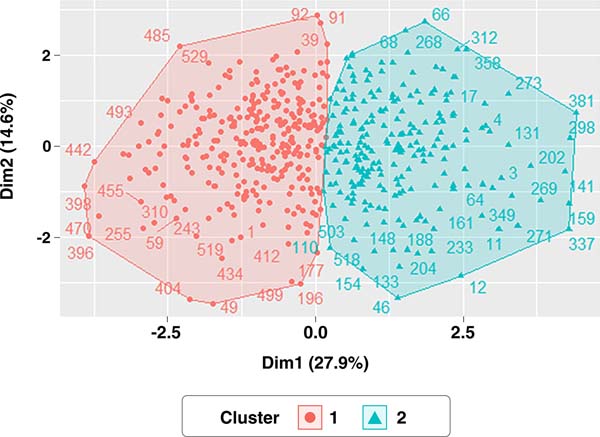
Data from 531 crack cocaine users were analyzed. Through statistical analysis, the optimal number of clusters was defined as two, one with 306 participants, and the other with 225 (Figure 1).
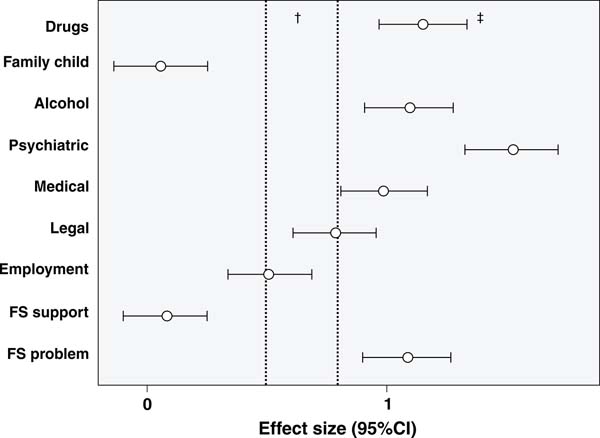
The clusters differed significantly for all composite scores (Supplementary Table S1). Cluster 1 had lower ASI-6 composite scores for all scales than cluster 2, except for the family/social support scale. To understand the magnitude of the difference between the two clusters, Cohen's standardized effect size was calculated. The effect sizes and their confidence intervals are shown in Figure 2. The composite scores with the greatest magnitude of standardized difference were drugs, alcohol, psychiatric, medical, and family and social problems. Although there were significant differences among the other composite scores, the effect magnitudes did not differ significantly.
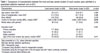
Sociodemographic characteristics were compared between more and less severe clusters, and there were no significant differences regarding age, days of hospitalization, race, marital status, education level, or age at first use of crack cocaine. Users in the more severe cluster had significantly lower income than those in the less severe cluster (Table 1). Moreover, in the more severe cluster, 39.6% used cannabis, while in the less severe cluster only 29.1% did so (p = 0.015). Alcohol use also differed significantly between the groups (69.3% in the more severe cluster vs. 44.8% in the less severe cluster, p < 0.001). No participants reported the use of other illicit substances.
| Characteristics | Least severe cluster (n=306) | Most severe cluster (n=225) | p-value |
|---|---|---|---|
| Age (years), mean (SD)┼ | 35.3 (9.7) | 35.8 (9.7) | 0.084 |
| Days of hospitalization, mean (SD)┼ | 21.5 (16.0) | 20.7 (15.3) | 0.566 |
| Race (White)╬ | 216 (70.6) | 148 (65.8) | 0.278 |
| Income for the last 6 months (BRL), median (IQR)§ | 7,000 (4,260-12,000) | 5,400 (1,800-10,501) | 0.014 |
| Marital status (with partner)╬ | 58 (19.0) | 37 (16.6) | 0.559 |
| Education level╬ | 0.941 | ||
| Primary education | 177 (59.0) | 129 (57.6) | |
| High school | 91 (30.3) | 71 (31.7) | |
| Higher education | 32 (10.7) | 24 (10.7) | |
| Age of first crack cocaine use (years), median (IQR)§ | 18 (16-22) | 18 (16-24) | 0.611 |
Data presented as n (%), unless otherwise specified.
Bold type denotes statistical significance.
IQR = interquartile range.
┼ Compared using Student's t-test for independent samples.
╬ Associated using the chi-square test or the chi-square test with Yates's continuity correction.
§ Compared using the Mann-Whitney test.
Factors associated with more severe use, such as parenting style, childhood trauma, and impulsivity were also compared between the clusters. The more severe cluster had significantly higher scores for maternal indifference (median 0.50 vs 0.33, p = 0.006), maternal abuse (median 0.60 vs 0.40, p = 0.010), and paternal indifference (median 1.17 vs 0.67, p = 0.010) than the less severe cluster. In addition, the more severe cluster had a higher childhood trauma score (median 49 vs 42, p < 0.001) and a higher frequency of physical abuse (46.8 vs 34.8%, p = 0.011), emotional neglect (26.6 vs 16.8%, p = 0.013), emotional abuse (48.8 vs 33.9%, p = 0.002), and sexual abuse (27.9 vs 14.7%, p = 0.001). The more severe group also had higher total impulsivity scores (median 79 vs 73, p < 0.001) and a higher frequency of participants with motor (29.6 and 16.4%, p = 0.001) and unplanned impulsivity scores above the 75th percentile (29.4 and 14.8%, p < 0.001).
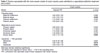
In a Poisson regression model with robust variance estimation (Table 2) that was hierarchically divided into three blocks (parenting style, trauma, and impulsivity), maternal abuse, sexual abuse, motor impulsivity, and unplanned impulsivity scores above the 75th percentile were associated with the more severe cluster.
| Crack cocaine | ||
|---|---|---|
| Blocks | Adjusted PR | p-value |
| Parenting styles | ||
| Maternal indifference | 1.00 (0.83-1.20) | 0.968 |
| Maternal abuse | 1.24 (1.03-1.51) | 0.026 |
| Paternal indifference | 1.12 (0.93-1.34) | 0.232 |
| Paternal abuse | 1.03 (0.84-1.25) | 0.797 |
| Moderate-to-severe trauma | ||
| Physical neglect | 1.06 (0.84-1.35) | 0.632 |
| Physical abuse | 1.11 (0.85-1.45) | 0.434 |
| Emotional neglect | 1.15 (0.89-1.48) | 0.285 |
| Emotional abuse | 1.16 (0.89-1.51) | 0.276 |
| Sexual abuse | 1.42 (1.13-1.79) | 0.003 |
| Impulsivity > 75th percentile | ||
| Attentional | 1.03 (0.78-1.36) | 0.822 |
| Motor | 1.36 (1.06-1.73) | 0.014 |
| Unplanned | 1.33 (1.03-1.73) | 0.032 |
Bold type denotes statistical significance.
The blocks were adjusted for factors with p < 0.05 in the preceding block.
PR = prevalence ratio estimated using Poisson regression with robust variance.
DISCUSSION
Through robust statistical analysis, this study identified two severity clusters of male crack cocaine users among a sample of heavy users. The patients were divided into more and less severe groups, which had important differences in parental style, childhood trauma, and impulsivity scores, but not in most sociodemographic variables. This is the first Brazilian study to establish a grouping among illicit substance users through multidimensional assessment. One hypothesis was that a large number of clusters would be identified, given that in other studies a high heterogeneity of substances used usually translated into more subgroups.19 However, we detected only two distinct groups, probably due to a more homogeneous sample (i.e., all individuals were inpatients, and the main substance was crack cocaine).
Dividing individuals into clusters or groups that are relatively homogenous in terms of sex, use severity, need for hospitalization, and choice of drug can reveal important differences, especially regarding early trauma. Abusive and traumatic situations can impair neuropsychological and self-preservation functions, leading to greater impulsivity.24 This can facilitate the development of more personalized therapeutic and preventive interventions to enable more efficient referrals to psychiatric and health care services.
The difference between the clusters in composite score for psychiatric, social, and family problems corroborates the current treatment guidelines. Thus, according to our results, psychiatric treatment, psychosocial techniques, and family support should be supported.25 Our results also align with other studies in which users who have been homeless have worse scores due to their high vulnerability.7 Moreover, individuals with substance use disorder have a high frequency of clinical comorbidities,26 and the large magnitude of difference in composite scores for medical problems also corroborates the literature. In these patients, there is a higher frequency of sexually transmitted infections, such as HIV and hepatitis,27-29 as well as other medical conditions, such as hypertension, respiratory, and digestive tract diseases.26
We found significant differences in some important risk factors between severity clusters. The results of the adjusted models showed that maternal abuse, sexual abuse, and motor and unplanned impulsivity were associated with the more severe cluster. A recent study by our research team based on the same clinical sample found higher childhood trauma scores in crack cocaine users than alcohol users and individuals without addiction.30 Dubowitz et al.31 also found different effects between trauma types and users of different substances, although sexual abuse had no effects, regardless substance type. In general, childhood maltreatment has differed significantly between substance users (such as crack cocaine) and controls.32 Although physical and emotional abuse tends to have a major impact, the potential harmful impact of sexual abuse must be highlighted. Previous studies have more commonly associated sexual abuse with female crack cocaine users. In a sample of pregnant adolescents, the chance of substance use was 13 times higher among those who suffered sexual abuse and a 17 times higher among those who suffered both sexual and physical abuse, suggesting a synergistic effect.33 Although this large effect was not found in our sample of men, there was a significant association in the same direction. Moreover, early experimentation and more severe drug use may be linked to the need to anesthetize early trauma in non-protective family contexts.27 The relationship between sexual abuse and more serious substance use could lead to the conclusion that children who suffer from sexual abuse are more likely to become substance users due to the consequences of both the trauma itself and the underlying family conditions.
It is known that many users face early vulnerabilities due to their parental environment.24,27 Maternal abuse is linked to greater psychological disruption, especially in countries where single-mother families predominate. However, studies have shown that maternal and paternal care is a protective effect against substance use and abuse,34 as well as that there is a relationship between parental style and multiple drug use.35 Studies of adolescents have shown that those with higher levels of affection and communication with their parents had fewer criteria for substance dependency.36 Other authors have found that poor parenting styles were risk factors for substance abuse in adolescents, a relationship that was mediated by social support.37
In terms of behavioral expression, higher impulsivity scores have been found in crack cocaine users24,38 and have been associated with crack cocaine severity.15,39 Higher impulsivity scores have been strongly related to parameters of long-term crack cocaine use.40 Several studies have found a difference between substance abusers and controls regarding a preference for short-term rewards over long-term rewards. There is evidence that more immediate and hedonistic behavior, such as eschewing delayed rewards, which is related to impulsivity, is higher among individuals with addictive behavior. Therefore, differences between severity clusters are to be expected.41 Previous studies have also found an association between higher impulsivity scores, childhood trauma, and more severe substance use among crack cocaine users. The relationship between childhood trauma and impulsivity, as well as between the latter and substance use severity, suggests that impulsivity plays a mediating role. Cognitive and decision-making processes are influenced by structural and historical modifications due to trauma, which, in turn, influence impulsivity and substance use severity. The relationship between childhood trauma and substance use severity may be partially mediated by impulsivity, and further studies would be extremely relevant.24 Impulsivity can accelerate substance seeking behavior and substance use can increase impulsivity, a vicious circle that can spiral into uncontrolled behavior. Therefore, one approach to addiction treatment would be to reduce impulsive behavior and prevent the development of uncontrolled use or relapse.42
This study has made important contributions to the Brazilian and international literature, using ASI-6 composite scores to investigate different aspects of substance use severity. However, it presents some limitations. Since our sample only consisted of male patients, the findings and analyses can only be generalized to men. Although the participants' responses could have been affected by memory bias, the questionnaire was applied by trained evaluators to guarantee higher quality. Being a cross-sectional study, the patients were evaluated at a single point in time, and variations in substance use could not be investigated, only lifetime and recent use. Furthermore, the patients varied little in terms of severity since all of them were indicated for hospitalization at the time of assessment. Nevertheless, severity clusters were identified. Longitudinal studies are needed to clarify the relationship between use severity and association with a particular cluster. However, it may be challenging to monitor these patients and conduct this type of study. Moreover, addiction severity may vary more widely in non-hospitalized individuals. Further studies with non-hospitalized substance users are needed to determine whether the same factors observed in our study can also distinguish specific groups among them.
In conclusion, we were able to identify two clusters of patients with different severity levels, and these clusters differed regarding more distal aspects, such as parental style and childhood trauma, as well as more proximal aspects, such as impulsivity. This brings new perspective to this difficult-to-treat population, allowing a more thorough treatment approach aimed at resolving factors associated with psychiatric and clinical comorbidities, as well as current and early aspects of the user's life. Although its subject is highly complex, the present study presents a new approach that can guide preventive and therapeutic psychoeducational techniques aimed at this vulnerable population.
 PDF
 Print
 Send this article by email
 How to cite this article
 Submit a comment
 Mendeley
 Pocket
 Share on Facebook
 Share on Twitter



