



ABSTRACT:
OBJECTIVE: This study aimed to mine and analyze adverse event signals of fluoxetine using the
U.S. Food and Drug Administration's Adverse Event Reporting System database.
METHODS: This study focused on suspected adverse drug reaction reports between the first quarter
of 2004 and the second quarter of 2023 in which fluoxetine was the primary suspected
drug. Four signal mining and analysis methods were employed to comprehensively assess
adverse event signals.
RESULTS: A total of 19,932,732 reports were collected, of which 22,884 primarily suspected
fluoxetine. Through analysis, 862 signs involving 27 system organ classes were identified.
More adverse events were reported by female patients (58.81%) than male patients (26.84%),
with the largest percentage being in the 18-45 year age group. The signal strength
of adverse events related to pregnancy and neonatal conditions was notable, including
fetal exposure during pregnancy, exposure during pregnancy, and neonatal health-related
adverse events, such as atrial septal defect, premature baby, ventricular septal defect,
and maternal drugs affecting the fetus.
CONCLUSIONS: Although fluoxetine has been extensively approved and applied, its use in women who
are pregnant or planning to conceive should be approached with caution.
Keywords: Fluoxetine; database; data analysis; adverse drug events; adverse drug reaction.
| Note: How to cite this article: Gao X, Zhou X, Du Z, Zhou Q, Jiang Y, Zhu H. Potential adverse events of fluoxetine: a real-world study based on the FAERS database. Braz J Psychiatry. 2025;47:e20243879.http://doi.org/10.47626/1516-4446-2024-3879 |
| Received: August 11 2024; Accepted: January 27 2025 |
INTRODUCTION
Depression is one of the most common mental health issues worldwide, impacting the quality of life, social functioning, and labor productivity of patients. Approximately 322 million people globally suffer from depression, with a prevalence rate of about 4.4%. By 2030, depression is predicted to become the leading cause of disease burden worldwide, having a significant impact on both society and the economy.1-3 In China, depression is also a public health issue that cannot be overlooked. The mortality rate due to mental disorders in urban areas has reached 3.1%, while in rural areas it is 2.86%.4
However, the exact pathogenesis of depression is not fully understood, with its onset influenced by individual differences, environment, genetics, and other factors.5 The monoamine neurotransmitter hypothesis is now widely accepted as an explanation for the etiology of depression. To alleviate depressive symptoms, a variety of antidepressants are commonly used clinically, including traditional tricyclic antidepressants, tetracyclic antidepressants, monoamine oxidase inhibitors, and neurotransmitter reuptake inhibitors.6-8 Although these drugs have shown good efficacy in different types of depressive patients, there are also concerns about adverse reactions.
Among antidepressants, selective serotonin reuptake inhibitors (SSRIs) (such as fluoxetine) have garnered much attention. SSRIs increase the concentration of serotonin in the central nervous system, thereby improving depressive symptoms. Compared to other antidepressants, SSRIs have fewer severe adverse reactions and overdose deaths and are widely recognized globally as a first-line antidepressant treatment.9 Although fluoxetine is considered a relatively safe first-line drug in clinical use, there are still potential adverse reactions and risks, such as dry mouth, dizziness, and panic attacks.10,11 Additionally, in rare cases dizziness and general numbness may have been triggered by fluoxetine, but the exact pathogenesis remains unclear.
Given this backdrop, the present study investigated the potential risks associated with fluoxetine. By conducting a comprehensive analysis of the U.S. Food and Drug Administration's Adverse Event Reporting System (FAERS) database, we aimed to determine the potential adverse reactions of fluoxetine, providing a scientific basis for clinicians when making decisions regarding its use.
METHODS
Data source
In this study, we conducted a comprehensive analysis of adverse event reports associated with fluoxetine in the FAERS database. These reports encompass various details related to adverse drug events (ADEs), such as indications for use, patient demographics, ADE type, onset time, duration, and outcomes. The time frame for data selection was the first quarter of 2004 until the second quarter of 2023.
Data extraction and cleaning
We searched for data with fluoxetine as the primary suspected drug. The downloaded data included demographic information, drug usage details, reaction terms, patient outcomes, etc. The cleaning steps involved filtering the data to include only those reports submitted between the first quarter 2004 and the second quarter of 2023. This time frame was chosen to capture a comprehensive dataset while excluding outdated reports. The reports were standardized using the Medical Dictionary for Regulatory Activities preferred terms and system organ class (SOC),12 which ensured uniformity in the categorization of adverse events. Instances of missing demographic information (such as age and sex) were identified, and reports with crucial data gaps were excluded from further analysis to maintain the integrity of the results. The dataset was screened for duplicate entries, ensuring that each report was counted only once to avoid skewing the analysis. Quality control consisted of random sampling of cleaned data to verify the accuracy and reliability of the information retained for analysis.
Data analysis
This study employed both frequency-based and Bayesian methods for signal detection, including disproportionality analysis, which is a statistical technique used to identify adverse event signals by comparing the observed number of adverse events associated with a drug to the expected number based on overall reporting rates. The frequency-based methods primarily included the reporting odds ratio13 and proportional reporting ratio,14 while the Bayesian methods primarily consisted of the Bayesian confidence propagation neural network15 and the empirical Bayesian geometric mean.16 Calculations for both types of methods can be based on 2 × 2 contingency table data, as illustrated in Table 1. The positive signal threshold values for these two types of methods can be found elsewhere.17 To reduce the occurrence of false-positive signals, this study set criteria in which an event was statistically associated with the drug only if it simultaneously met the aforementioned standards and had an ADE frequency of = 3 cases.
| Target ADEs | Non-target ADEs | Total | |
|---|---|---|---|
| Fluoxetine | a | b | a + b |
| Non-fluoxetine | c | d | c + d |
| Total | a + c | b + d | n = a + b + c + d |
ADE = adverse drug event.

RESULTS
A total of 19,932,732 reports made between January 1, 2004 and June 30, 2023 were collected from the FAERS database. Of these, 22,884 primarily suspected fluoxetine as the causative agent. Our analysis with the reporting odds ratio, proportional reporting ratio, Bayesian confidence propagation neural network, and empirical Bayesian geometric mean methods yielded 862 preferred term signals involving 27 SOCs.
Basic information on adverse drug events related to fluoxetine
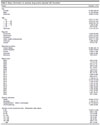
As detailed in Table 2, more reported cases were female patients (58.81%) than male patients (26.84%). The 18-45 year age bracket had the highest proportion of reports (27.32%). Between 2004 and 2023, the number of reports increased annually; the highest frequency of reports occurred in 2015 (13.63%). There were relatively fewer reports in 2004 and 2007, each accounting for 2.43%. The reports primarily came from consumers (32.99%), physicians (27.32%), other health professionals (17.60%), and pharmacists (12.54%). Most reports came from the United States (44.11%), the United Kingdom (19.63%), and France (7.99%). The most common ADE outcome was hospitalization - initial or prolonged (29.61%), followed by death (13.31%), life-threatening (8%), and disability (5.17%). Among reports with a specific duration, ADEs occurring within 0-30 days were the most common (14.39%).
| Factor | Events, n (%) |
|---|---|
| Sex | |
| Female | 13,458 (58.81) |
| Male | 6,143 (26.84) |
| Unknown | 3,283 (14.35) |
| Age | |
| <18 | 2,671 (11.67) |
| = 18, < 45 | 6,253 (27.32) |
| = 45, < 65 | 4,600 (20.10) |
| = 65, < 75 | 1,249 (5.46) |
| = 75 | 970 (4.24) |
| Unknown | 7,141 (31.21) |
| Reporter | |
| Consumer | 7,550 (32.99) |
| Pharmacist | 2,870 (12.54) |
| Physician | 6,252 (27.32) |
| Other health professionals | 4,027 (17.60) |
| Unknown | 1,566 (6.84) |
| Lawyer | 619 (2.70) |
| Reported countries | |
| United States | 10,093 (44.11) |
| United Kingdom | 4,493 (19.63) |
| France | 1,828 (7.99) |
| Unknown | 1,026 (4.48) |
| Germany | 703 (3.07) |
| Report year | |
| 2004 | 556 (2.43) |
| 2005 | 714 (3.12) |
| 2006 | 623 (2.72) |
| 2007 | 556 (2.43) |
| 2008 | 611 (2.67) |
| 2009 | 735 (3.21) |
| 2010 | 668 (2.92) |
| 2011 | 857 (3.74) |
| 2012 | 1,098 (4.80) |
| 2013 | 963 (4.21) |
| 2014 | 1,169 (5.11) |
| 2015 | 3,120 (13.63) |
| 2016 | 1,245 (5.44) |
| 2017 | 1,167 (5.10) |
| 2018 | 1,553 (6.79) |
| 2019 | 1,982 (8.66) |
| 2020 | 1,532 (6.69) |
| 2021 | 1,431 (6.25) |
| 2022 | 1,467 (6.41) |
| 2023 | 837 (3.66) |
| Serious outcomes | |
| Death | 3,046 (13.31) |
| Disability | 1,182 (5.17) |
| Hospitalization - Initial or prolonged | 6,775 (29.61) |
| Life-threatening | 1,830 (8.00) |
| Adverse event occurrence time - Medication date (days) | |
| 0-30 | 3,293 (14.39) |
| 31-60 | 358 (1.56) |
| 61-90 | 219 (0.96) |
| 91-120 | 105 (0.46) |
| 121-150 | 90 (0.39) |
| 151-180 | 69 (0.30) |
| 181-360 | 336 (1.47) |
| > 360 | 801 (3.50) |
Risk signal detection
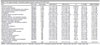
On the SOC level, ADEs related to fluoxetine covered 27 SOCs (see Table 3). Notable SOCs include psychiatric disorders, nervous system disorders, general disorders and administration site conditions, injury, poisoning, procedural complications, and gastrointestinal disorders, which align with the drug's leaflet. Even though respiratory, thoracic, and mediastinal disorders, musculoskeletal and connective tissue disorders, skin and subcutaneous tissue disorders, metabolism and nutrition disorders, pregnancy, puerperium, and perinatal conditions are not mentioned in the drug leaflet, they appeared frequently in the data. Signals related to pregnancy, puerperium, and perinatal conditions were especially strong and warrant further attention.
| SOC | SOC code | Case reports | ROR (95%CI) | PRR (95%CI) | ?2 | IC (IC025) | EBGM (EBGM05) |
|---|---|---|---|---|---|---|---|
| Psychiatric disorders | 10037175 | 17,631 | 4.11 (4.04-4.18) | 3.49 (3.45-3.54) | 33,048.26 | 1.80 (1.77) | 3.48 (3.42) |
| Nervous system disorders | 10029205 | 11,590 | 1.59 (1.56-1.62) | 1.51 (1.48-1.54) | 2,181.14 | 0.59 (0.56) | 1.51 (1.48) |
| General disorders and administration site conditions | 10018065 | 10,808 | 0.66 (0.64-0.67) | 0.70 (0.69-0.71) | 1,705.03 | -0.52 (-0.55) | 0.70 (0.68) |
| Injury, poisoning, and procedural complications | 10022117 | 9,715 | 1.12 (1.09-1.14) | 1.10 (1.08-1.12) | 105.18 | 0.14 (0.11) | 1.10 (1.08) |
| Gastrointestinal disorders | 10017947 | 5,110 | 0.65 (0.63-0.67) | 0.67 (0.65-0.69) | 899.02 | -0.57 (-0.62) | 0.67 (0.65) |
| Investigations | 10022891 | 4,469 | 0.80 (0.77-0.82) | 0.81 (0.79-0.83) | 216.00 | -0.31 (-0.35) | 0.81 (0.78) |
| Congenital, familial, and genetic disorders | 10010331 | 3,476 | 13.31 (12.86-13.77) | 12.83 (12.41-13.26) | 37,167.69 | 3.65 (3.60) | 12.56 (12.14) |
| Cardiac disorders | 10007541 | 3,398 | 1.42 (1.38-1.47) | 1.41 (1.36-1.46) | 411.88 | 0.49 (0.44) | 1.41 (1.36) |
| Respiratory, thoracic, and mediastinal disorders | 10038738 | 3,355 | 0.79 (0.76-0.82) | 0.80 (0.77-0.83) | 177.12 | -0.32 (-0.37) | 0.80 (0.77) |
| Musculoskeletal and connective tissue disorders | 10028395 | 2,510 | 0.53 (0.51-0.55) | 0.54 (0.52-0.56) | 1,034.27 | -0.89 (-0.94) | 0.54 (0.52) |
| Skin and subcutaneous tissue disorders | 10040785 | 2,133 | 0.43 (0.41-0.45) | 0.45 (0.43-0.46) | 1,554.01 | -1.16 (-1.23) | 0.45 (0.43) |
| Metabolism and nutrition disorders | 10027433 | 2,052 | 1.06 (1.01-1.10) | 1.05 (1.01-1.10) | 5.94 | 0.08 (0.01) | 1.05 (1.01) |
| Pregnancy, puerperium, and perinatal conditions | 10036585 | 1,878 | 4.89 (4.67-5.11) | 4.80 (4.59-5.02) | 5,632.13 | 2.25 (2.18) | 4.77 (4.56) |
| Vascular disorders | 10047065 | 1,406 | 0.72 (0.69-0.76) | 0.73 (0.69-0.77) | 147.44 | -0.46 (-0.54) | 0.73 (0.69) |
| Eye disorders | 10015919 | 1,290 | 0.73 (0.69-0.77) | 0.73 (0.70-0.78) | 125.75 | -0.44 (-0.52) | 0.74 (0.70) |
| Infections and infestations | 10021881 | 1,246 | 0.26 (0.25-0.27) | 0.27 (0.26-0.29) | 2,590.80 | -1.89 (-1.97) | 0.27 (0.26) |
| Product issues | 10077536 | 1,035 | 0.75 (0.70-0.80) | 0.75 (0.71-0.80) | 85.58 | -0.41 (-0.50) | 0.75 (0.71) |
| Reproductive system and breast disorders | 10038604 | 954 | 1.16 (1.09-1.24) | 1.16 (1.09-1.24) | 21.44 | 0.21 (0.12) | 1.16 (1.09) |
| Renal and urinary disorders | 10038359 | 844 | 0.48 (0.45-0.51) | 0.49 (0.45-0.52) | 467.67 | -1.04 (-1.14) | 0.49 (0.45) |
| Blood and lymphatic system disorders | 10005329 | 742 | 0.49 (0.46-0.53) | 0.50 (0.46-0.53) | 382.87 | -1.01 (-1.11) | 0.50 (0.46) |
| Hepatobiliary disorders | 10019805 | 687 | 0.84 (0.78-0.91) | 0.84 (0.78-0.91) | 20.38 | -0.25 (-0.36) | 0.84 (0.78) |
| Social circumstances | 10041244 | 598 | 1.46 (1.34-1.58) | 1.45 (1.34-1.57) | 84.77 | 0.54 (0.42) | 1.45 (1.34) |
| Surgical and medical procedures | 10042613 | 452 | 0.39 (0.35-0.43) | 0.39 (0.36-0.43) | 433.56 | -1.35 (-1.49) | 0.39 (0.36) |
| Ear and labyrinth disorders | 10013993 | 439 | 1.13 (1.03-1.24) | 1.13 (1.03-1.24) | 6.67 | 0.18 (0.04) | 1.13 (1.03) |
| Immune system disorders | 10021428 | 398 | 0.41 (0.37-0.45) | 0.41 (0.37-0.45) | 341.15 | -1.28 (-1.43) | 0.41 (0.37) |
| Neoplasms benign, malignant and unspecified (including cysts and polyps) | 10029104 | 352 | 0.14 (0.13-0.16) | 0.14 (0.13-0.16) | 1,824.76 | -2.78 (-2.93) | 0.15 (0.13) |
| Endocrine disorders | 10014698 | 346 | 1.57 (1.41-1.75) | 1.57 (1.41-1.74) | 71.64 | 0.65 (0.49) | 1.57 (1.41) |
EBGM = empirical Bayesian geometric mean; IC = information component; PRR = proportional reporting ratio; ROR = reporting odds ratio; SOC = system organ class.
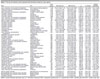
On the preferred term level, the research results were ranked according to the number of reports and signal strength, shown in Tables 4 and 5, which display the top 50 terms. In Table 5, the 20 most frequently reported preferred terms were mainly ADEs recorded in the drug leaflet. Besides ADEs described in the product leaflet, events such as fetal exposure during pregnancy, exposure during pregnancy, maternal exposure during pregnancy, atrial septal defect, premature baby, ventricular septal defect, and maternal drugs affecting the fetus were found frequently. Additionally, in Table 5, events with high signal strength, such as congenital anomalies of the posterior segment of the eye, prolonged rupture of membranes, maternal exposure via partner during pregnancy, neonatal complications of substance abuse, trisomy 22, subdural hemorrhage neonatal, neonatal anoxia, persistent fetal circulation, neonatal diabetes mellitus, and fetal alcohol syndrome require further in-depth investigation.
| SOC | PTs | Case reports | ROR (95%CI) | PRR (95%CI) | ?2 | IC (IC025) | EBGM (EBGM05) |
|---|---|---|---|---|---|---|---|
| Injury, poisoning, and procedural complications | Fetal exposure during pregnancy | 1,768 | 16.34 (15.58-17.14) | 16.03 (15.30-16.80) | 24,252.61 | 3.95 (3.88) | 15.61 (14.88) |
| General disorders and administration site conditions | Drug interaction | 1,613 | 7.07 (6.73-7.43) | 6.96 (6.63-7.31) | 8,150.43 | 2.78 (2.71) | 6.89 (6.55) |
| Psychiatric disorders | Completed suicide | 1,222 | 9.60 (9.07-10.17) | 9.48 (8.97-10.03) | 9,132.88 | 3.21 (3.13) | 9.34 (8.83) |
| Injury, poisoning, and procedural complications | Toxicity to various agents | 1,216 | 4.66 (4.41-4.94) | 4.61 (4.36-4.88) | 3,423.96 | 2.19 (2.11) | 4.58 (4.33) |
| Psychiatric disorders | Anxiety | 1,139 | 2.67 (2.52-2.83) | 2.65 (2.50-2.81) | 1,172.37 | 1.40 (1.31) | 2.64 (2.49) |
| Psychiatric disorders | Depression | 1,075 | 3.09 (2.91-3.29) | 3.07 (2.89-3.26) | 1,495.72 | 1.61 (1.52) | 3.06 (2.88) |
| Psychiatric disorders | Suicidal ideation | 1,008 | 7.56 (7.10-8.05) | 7.49 (7.04-7.96) | 5,597.36 | 2.88 (2.79) | 7.40 (6.95) |
| Injury, poisoning, and procedural complications | Exposure during pregnancy | 935 | 6.52 (6.11-6.96) | 6.46 (6.06-6.89) | 4,272.79 | 2.67 (2.57) | 6.40 (6.00) |
| Injury, poisoning, and procedural complications | Intentional overdose | 794 | 8.67 (8.08-9.31) | 8.60 (8.02-9.23) | 5,260.03 | 3.07 (2.97) | 8.49 (7.91) |
| Nervous system disorders | Serotonin syndrome | 726 | 29.89 (27.73-32.22) | 29.66 (27.53-31.95) | 19,088.07 | 4.76 (4.66) | 28.20 (26.17) |
| Nervous system disorders | Tremor | 701 | 2.81 (2.61-3.03) | 2.80 (2.60-3.01) | 809.42 | 1.48 (1.37) | 2.79 (2.59) |
| Psychiatric disorders | Drug abuse | 614 | 4.99 (4.61-5.41) | 4.97 (4.59-5.38) | 1,930.13 | 2.29 (2.18) | 4.93 (4.55) |
| Psychiatric disorders | Suicide attempt | 613 | 6.98 (6.45-7.56) | 6.94 (6.41-7.51) | 3,081.75 | 2.77 (2.65) | 6.87 (6.34) |
| Psychiatric disorders | Agitation | 597 | 5.30 (4.89-5.75) | 5.27 (4.87-5.71) | 2,050.58 | 2.38 (2.26) | 5.23 (4.83) |
| Psychiatric disorders | Confusional state | 565 | 2.36 (2.17-2.56) | 2.35 (2.17-2.55) | 438.17 | 1.23 (1.10) | 2.35 (2.16) |
| Product issues | Product substitution issue | 478 | 5.55 (5.07-6.08) | 5.53 (5.05-6.05) | 1,757.78 | 2.44 (2.31) | 5.48 (5.01) |
| Psychiatric disorders | Intentional self-injury | 448 | 12.72 (11.58-13.98) | 12.67 (11.54-13.91) | 4,708.10 | 3.60 (3.46) | 12.41 (11.29) |
| Investigations | Electrocardiogram QT prolonged | 421 | 8.13 (7.38-8.95) | 8.10 (7.36-8.91) | 2,582.49 | 2.98 (2.83) | 7.99 (7.26) |
| Injury, poisoning, and procedural complications | Maternal exposure during pregnancy | 420 | 3.84 (3.48-4.22) | 3.82 (3.47-4.21) | 870.17 | 1.92 (1.78) | 3.80 (3.45) |
| Metabolism and nutrition disorders | Hyponatremia | 365 | 4.40 (3.97-4.88) | 4.39 (3.96-4.86) | 948.24 | 2.11 (1.96) | 4.36 (3.93) |
| Psychiatric disorders | Irritability | 363 | 3.94 (3.55-4.37) | 3.93 (3.54-4.35) | 787.44 | 1.95 (1.80) | 3.91 (3.52) |
| Psychiatric disorders | Aggression | 356 | 4.64 (4.18-5.15) | 4.62 (4.16-5.13) | 1,002.95 | 2.18 (2.03) | 4.59 (4.14) |
| Cardiac disorders | Cardiac arrest | 338 | 2.69 (2.42-3.00) | 2.69 (2.42-2.99) | 356.99 | 1.41 (1.26) | 2.68 (2.41) |
| Congenital, familial, and genetic disorders | Atrial septal defect | 328 | 25.17 (22.53-28.12) | 25.08 (22.46-28.01) | 7,257.54 | 4.49 (4.33) | 24.04 (21.52) |
| Pregnancy, puerperium, and perinatal conditions | Premature baby | 312 | 6.95 (6.22-7.77) | 6.93 (6.20-7.75) | 1,564.34 | 2.75 (2.59) | 6.86 (6.13) |
| Psychiatric disorders | Depressed mood | 304 | 4.09 (3.65-4.58) | 4.08 (3.64-4.56) | 701.64 | 2.01 (1.84) | 4.06 (3.62) |
| Psychiatric disorders | Abnormal behavior | 292 | 4.59 (4.09-5.15) | 4.58 (4.08-5.14) | 810.80 | 2.17 (2.00) | 4.55 (4.05) |
| Cardiac disorders | Cardio-respiratory arrest | 289 | 4.42 (3.93-4.96) | 4.40 (3.92-4.94) | 755.09 | 2.11 (1.94) | 4.38 (3.90) |
| Psychiatric disorders | Restlessness | 284 | 5.18 (4.61-5.83) | 5.17 (4.60-5.81) | 947.00 | 2.34 (2.17) | 5.13 (4.56) |
| Nervous system disorders | Disturbance in attention | 268 | 3.28 (2.91-3.70) | 3.27 (2.90-3.69) | 421.18 | 1.69 (1.52) | 3.26 (2.89) |
| Nervous system disorders | Coma | 241 | 3.41 (3.01-3.88) | 3.41 (3.00-3.87) | 407.67 | 1.75 (1.56) | 3.39 (2.99) |
| Psychiatric disorders | Panic attack | 234 | 4.36 (3.83-4.96) | 4.35 (3.83-4.95) | 599.61 | 2.09 (1.90) | 4.33 (3.80) |
| General disorders and administration site conditions | Crying | 232 | 4.08 (3.58-4.64) | 4.07 (3.58-4.63) | 533.85 | 2.00 (1.81) | 4.05 (3.56) |
| Congenital, familial, and genetic disorders | Ventricular septal defect | 227 | 25.50 (22.32-29.14) | 25.44 (22.27-29.06) | 5,096.57 | 4.47 (4.27) | 24.37 (21.33) |
| Nervous system disorders | Dyskinesia | 216 | 3.59 (3.14-4.10) | 3.58 (3.13-4.09) | 399.58 | 1.82 (1.62) | 3.56 (3.12) |
| Psychiatric disorders | Autism spectrum disorder | 213 | 34.44 (29.98-39.55) | 34.36 (29.92-39.45) | 6,495.98 | 4.82 (4.62) | 32.41 (28.22) |
| Product issues | Product complaint | 207 | 2.80 (2.45-3.22) | 2.80 (2.44-3.21) | 238.60 | 1.47 (1.27) | 2.79 (2.43) |
| Congenital, familial, and genetic disorders | Talipes | 200 | 43.90 (38.01-50.70) | 43.80 (37.93-50.58) | 7,752.94 | 5.09 (4.87) | 40.67 (35.21) |
| Nervous system disorders | Akathisia | 198 | 9.95 (8.64-11.45) | 9.93 (8.63-11.43) | 1,562.30 | 3.23 (3.02) | 9.77 (8.49) |
| Psychiatric disorders | Anger | 198 | 3.77 (3.28-4.33) | 3.76 (3.27-4.32) | 398.94 | 1.88 (1.68) | 3.74 (3.25) |
| Cardiac disorders | Bradycardia | 195 | 2.42 (2.10-2.78) | 2.41 (2.10-2.78) | 160.91 | 1.26 (1.05) | 2.41 (2.09) |
| Respiratory, thoracic, and mediastinal disorders | Respiratory arrest | 193 | 4.31 (3.74-4.97) | 4.31 (3.74-4.96) | 486.18 | 2.07 (1.87) | 4.28 (3.71) |
| General disorders and administration site conditions | Withdrawal syndrome | 187 | 3.26 (2.82-3.77) | 3.26 (2.82-3.76) | 290.99 | 1.68 (1.47) | 3.24 (2.81) |
| Injury, poisoning, and procedural complications | Maternal drugs affecting fetus | 183 | 12.87 (11.11-14.90) | 12.85 (11.10-14.87) | 1,954.01 | 3.56 (3.35) | 12.58 (10.86) |
| Psychiatric disorders | Mania | 183 | 7.48 (6.46-8.65) | 7.46 (6.45-8.63) | 1,010.98 | 2.83 (2.62) | 7.38 (6.38) |
| Injury, poisoning, and procedural complications | Poisoning | 182 | 9.56 (8.25-11.07) | 9.54 (8.24-11.04) | 1,368.29 | 3.17 (2.95) | 9.40 (8.11) |
| Nervous system disorders | Depressed level of consciousness | 176 | 2.99 (2.58-3.47) | 2.99 (2.58-3.47) | 231.98 | 1.56 (1.34) | 2.98 (2.57) |
| Musculoskeletal and connective tissue disorders | Muscle twitching | 175 | 5.06 (4.36-5.87) | 5.05 (4.35-5.86) | 563.33 | 2.29 (2.07) | 5.01 (4.32) |
| Musculoskeletal and connective tissue disorders | Rhabdomyolysis | 166 | 2.73 (2.34-3.18) | 2.72 (2.34-3.17) | 180.26 | 1.43 (1.20) | 2.71 (2.33) |
| Psychiatric disorders | Nightmare | 163 | 3.10 (2.66-3.62) | 3.10 (2.66-3.62) | 230.72 | 1.61 (1.38) | 3.09 (2.65) |
EBGM = empirical Bayesian geometric mean; IC = information component; PRR = proportional reporting ratio; PT = preferred terms; ROR = reporting odds ratio; SOC = system organ class.
| SOC | PTs | Case reports | ROR (95%CI) | PRR (95%CI) | ?2 | IC (IC025) | EBGM (EBGM05) |
|---|---|---|---|---|---|---|---|
| Congenital, familial, and genetic disorders | Posterior segment of eye anomaly congenital | 8 | 2,218.31 (471.05-10446.59) | 2,218.11 (471.02-10445.35) | 3,545.78 | 3.14 (1.84) | 444.42 (94.37) |
| Psychiatric disorders | Suggestibility | 3 | 1,663.64 (173.04-15994.25) | 1,663.58 (173.04-15993.41) | 1,246.19 | 1.99 (0.05) | 416.65 (43.34) |
| Investigations | Free androgen index decreased | 3 | 554.55 (111.92-2747.64) | 554.53 (111.92-2747.47) | 828.79 | 1.98 (0.17) | 277.76 (56.06) |
| Investigations | Primitive reflex test positive | 3 | 415.91 (93.08-1858.37) | 415.90 (93.08-1858.26) | 709.54 | 1.98 (0.21) | 238.08 (53.28) |
| Pregnancy, puerperium, and perinatal conditions | Prolonged rupture of membranes | 16 | 385.83 (203.83-730.32) | 385.76 (203.81-730.14) | 3,621.13 | 3.99 (3.15) | 227.91 (120.40) |
| Nervous system disorders | Synesthesia | 9 | 383.94 (164.11-898.23) | 383.90 (164.10-898.10) | 2,031.05 | 3.26 (2.17) | 227.26 (97.14) |
| Congenital, familial, and genetic disorders | Androgen insensitivity syndrome | 3 | 237.66 (61.46-919.10) | 237.65 (61.46-919.04) | 494.88 | 1.97 (0.29) | 166.66 (43.09) |
| Metabolism and nutrition disorders | Hyposmosis | 10 | 221.84 (106.54-461.89) | 221.81 (106.54-461.81) | 1,570.11 | 3.37 (2.37) | 158.72 (76.23) |
| Injury, poisoning, and procedural complications | Maternal exposure via partner during pregnancy | 4 | 221.82 (69.57-707.29) | 221.81 (69.57-707.23) | 628.04 | 2.28 (0.79) | 158.72 (49.78) |
| Psychiatric disorders | Neonatal complications of substance abuse | 6 | 207.96 (81.37-531.47) | 207.95 (81.37-531.41) | 898.70 | 2.75 (1.50) | 151.51 (59.28) |
| Congenital, familial, and genetic disorders | Trisomy 22 | 4 | 201.66 (64.21-633.32) | 201.65 (64.21-633.27) | 585.64 | 2.28 (0.80) | 148.14 (47.17) |
| Congenital, familial, and genetic disorders | Congenital central hypoventilation syndrome | 6 | 195.73 (77.17-496.45) | 195.72 (77.17-496.39) | 859.11 | 2.75 (1.51) | 144.92 (57.14) |
| Neoplasms benign, malignant, and unspecified (including cysts and polyps) | Viral acanthoma | 3 | 184.85 (50.04-682.81) | 184.84 (50.04-682.77) | 411.41 | 1.97 (0.32) | 138.88 (37.60) |
| Congenital, familial, and genetic disorders | Wolff-Parkinson-White syndrome congenital | 4 | 158.44 (52.15-481.37) | 158.44 (52.15-481.33) | 486.71 | 2.27 (0.82) | 123.45 (40.63) |
| Skin and subcutaneous tissue disorders | Chronic actinic dermatitis | 5 | 154.04 (57.19-414.92) | 154.04 (57.19-414.88) | 594.95 | 2.52 (1.21) | 120.77 (44.84) |
| Psychiatric disorders | Secondary tic | 6 | 151.24 (61.32-373.02) | 151.23 (61.32-372.98) | 703.57 | 2.73 (1.52) | 119.04 (48.27) |
| Congenital, familial, and genetic disorders | Choroidal coloboma | 7 | 149.31 (64.81-344.00) | 149.30 (64.80-343.95) | 812.40 | 2.91 (1.78) | 117.84 (51.15) |
| General disorders and administration site conditions | Microsomia | 3 | 138.64 (39.12-491.30) | 138.63 (39.12-491.26) | 327.93 | 1.96 (0.35) | 111.11 (31.35) |
| General disorders and administration site conditions | Diet failure | 5 | 132.04 (49.79-350.17) | 132.03 (49.79-350.14) | 525.15 | 2.52 (1.21) | 106.83 (40.28) |
| Nervous system disorders | Subdural hemorrhage neonatal | 3 | 127.97 (36.47-449.10) | 127.97 (36.47-449.06) | 307.07 | 1.96 (0.35) | 104.16 (29.68) |
| Respiratory, thoracic, and mediastinal disorders | Neonatal anoxia | 10 | 123.24 (62.11-244.55) | 123.23 (62.11-244.50) | 991.94 | 3.32 (2.37) | 101.00 (50.90) |
| Congenital, familial, and genetic disorders | Vertical talus | 4 | 123.23 (41.71-364.14) | 123.23 (41.71-364.11) | 396.77 | 2.26 (0.84) | 101.00 (34.18) |
| Congenital, familial, and genetic disorders | Anterior chamber cleavage syndrome | 9 | 121.74 (59.17-250.48) | 121.73 (59.16-250.44) | 883.64 | 3.20 (2.20) | 99.99 (48.60) |
| Nervous system disorders | Basilar migraine | 10 | 120.56 (60.84-238.91) | 120.55 (60.84-238.86) | 973.87 | 3.32 (2.37) | 99.20 (50.06) |
| Congenital, familial, and genetic disorders | Anomaly of middle ear congenital | 3 | 110.91 (32.11-383.12) | 110.91 (32.11-383.09) | 272.29 | 1.95 (0.36) | 92.59 (26.80) |
| Respiratory, thoracic, and mediastinal disorders | Pulmonary hemosiderosis | 9 | 97.87 (48.18-198.80) | 97.86 (48.18-198.77) | 733.39 | 3.17 (2.19) | 83.33 (41.02) |
| Congenital, familial, and genetic disorders | Congenital aortic valve stenosis | 22 | 96.08 (61.10-151.09) | 96.06 (61.09-151.04) | 1,763.98 | 4.18 (3.53) | 82.02 (52.16) |
| General disorders and administration site conditions | Drug-genetic interaction | 17 | 93.35 (55.84-156.06) | 93.34 (55.84-156.02) | 1,329.18 | 3.89 (3.16) | 80.03 (47.87) |
| Investigations | Alpha 2 globulin decreased | 3 | 92.42 (27.22-313.78) | 92.42 (27.22-313.76) | 232.54 | 1.94 (0.38) | 79.36 (23.38) |
| Psychiatric disorders | Neuroleptic-induced deficit syndrome | 3 | 92.42 (27.22-313.78) | 92.42 (27.22-313.76) | 232.54 | 1.94 (0.38) | 79.36 (23.38) |
| Investigations | Dehydroepiandrosterone decreased | 12 | 89.94 (48.87-165.52) | 89.92 (48.86-165.48) | 907.98 | 3.49 (2.63) | 77.52 (42.12) |
| Congenital, familial, and genetic disorders | Persistent fetal circulation | 82 | 88.03 (69.73-111.14) | 87.95 (69.68-111.02) | 6,084.11 | 5.32 (4.98) | 76.05 (60.24) |
| Investigations | pH body fluid increased | 3 | 87.56 (25.91-295.90) | 87.56 (25.91-295.88) | 221.70 | 1.94 (0.38) | 75.75 (22.42) |
| Metabolism and nutrition disorders | Neonatal diabetes mellitus | 3 | 87.56 (25.91-295.90) | 87.56 (25.91-295.88) | 221.70 | 1.94 (0.38) | 75.75 (22.42) |
| Congenital, familial, and genetic disorders | Aortic valve atresia | 8 | 86.99 (41.28-183.31) | 86.98 (41.28-183.28) | 587.77 | 3.02 (1.99) | 75.33 (35.75) |
| Psychiatric disorders | Sleep sex | 7 | 86.27 (38.90-191.29) | 86.26 (38.90-191.27) | 510.49 | 2.87 (1.77) | 74.78 (33.72) |
| Congenital, familial, and genetic disorders | Oculoauriculovertebral dysplasia | 9 | 86.06 (42.64-173.68) | 86.05 (42.64-173.65) | 654.91 | 3.16 (2.18) | 74.62 (36.97) |
| Congenital, familial, and genetic disorders | Congenital aortic valve incompetence | 17 | 84.19 (50.54-140.22) | 84.17 (50.54-140.18) | 1,212.97 | 3.87 (3.14) | 73.21 (43.95) |
| Investigations | Sex hormone binding globulin decreased | 3 | 83.18 (24.72-279.94) | 83.18 (24.72-279.92) | 211.80 | 1.94 (0.38) | 72.46 (21.53) |
| Reproductive system and breast disorders | Testicular microlithiasis | 3 | 83.18 (24.72-279.94) | 83.18 (24.72-279.92) | 211.80 | 1.94 (0.38) | 72.46 (21.53) |
| Congenital, familial, and genetic disorders | Femoral anteversion | 3 | 79.22 (23.63-265.60) | 79.22 (23.63-265.58) | 202.73 | 1.94 (0.38) | 69.44 (20.71) |
| Reproductive system and breast disorders | Genital anesthesia | 12 | 76.50 (41.83-139.89) | 76.49 (41.83-139.86) | 785.63 | 3.46 (2.61) | 67.34 (36.82) |
| Infections and infestations | Otosalpingitis | 3 | 75.62 (22.63-252.66) | 75.62 (22.63-252.64) | 194.38 | 1.93 (0.38) | 66.66 (19.95) |
| Nervous system disorders | Persistent genital arousal disorder | 14 | 74.66 (42.73-130.45) | 74.65 (42.73-130.41) | 896.57 | 3.63 (2.84) | 65.91 (37.72) |
| Pregnancy, puerperium, and perinatal conditions | Pregnancy with advanced maternal age | 5 | 72.97 (28.72-185.39) | 72.96 (28.72-185.37) | 313.62 | 2.47 (1.22) | 64.60 (25.42) |
| Psychiatric disorders | Psychopathic personality | 8 | 72.73 (34.80-151.99) | 72.72 (34.80-151.97) | 500.30 | 3.00 (1.98) | 64.41 (30.82) |
| Congenital, familial, and genetic disorders | Fetal alcohol syndrome | 11 | 72.63 (38.74-136.16) | 72.62 (38.74-136.13) | 686.98 | 3.35 (2.47) | 64.32 (34.31) |
| Congenital, familial, and genetic disorders | Branchial cyst | 4 | 71.56 (25.26-202.71) | 71.55 (25.26-202.70) | 246.46 | 2.23 (0.85) | 63.49 (22.41) |
| Reproductive system and breast disorders | Plasma cell mastitis | 4 | 69.32 (24.51-196.01) | 69.32 (24.51-196.00) | 239.40 | 2.23 (0.85) | 61.73 (21.83) |
| Congenital, familial, and genetic disorders | Congenital tricuspid valve stenosis | 3 | 69.32 (20.87-230.21) | 69.32 (20.87-230.19) | 179.55 | 1.93 (0.39) | 61.73 (18.59) |
EBGM = empirical Bayesian geometric mean; IC = information component; PRR = proportional reporting ratio; PT = preferred terms; ROR = reporting odds ratio; SOC = system organ class.
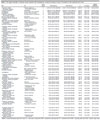
The risk signal detection results show that multiple SOCs and specific preferred terms are implicated in ADEs associated with fluoxetine. Some of these align with known risks in the drug leaflet, while others may need more detailed research and attention, especially risks related to pregnancy, fetal exposure, and neonatal complications. These results provide valuable insights into the potential risks associated with fluoxetine.
DISCUSSION
Fluoxetine hydrochloride, which is widely used to treat depression, anxiety, and other mental health issues, has received approval from regulatory authorities in many countries. Apart from its primary use, fluoxetine also helps alleviate inflammatory pain and reduce dependence on opioids. However, recent research and clinical reports have highlighted several potential risks, including, but not limited to, effects on bone metabolism, potential epileptic risk, and possible cases of hyponatremia (low sodium levels).18 Recent studies have found that fluoxetine has varying impacts on the proliferation and function of osteoblasts and osteoclasts at different concentrations. This finding has raised concerns about whether fluoxetine contributes to metabolic bone diseases.19 In addition, under specific circumstances, such as when combined with atypical antipsychotic drugs with 5-HT antagonist properties (like olanzapine), fluoxetine might increase the risk of epileptic seizures.20 In clinical practice, to cater to unique patient needs and clinical situations, doctors sometimes prescribe doses or applications beyond the recommended range in drug leaflets, which is an important area of current research. Particularly in antidepressant treatments, there is no consensus on the effects and safety of such off-label uses. Similarly, studies investigating fluoxetine's impact on fertility have found inconsistent results. This research further highlights the potential risks of fluoxetine concerning pregnancy, fetal exposure, and neonatal complications. These initial findings underscore the urgency need for more detailed investigations on these issues. The study's findings will be further discussed below.
Basic information
The significant gender disparity in the reports (females 58.81%; males 26.84%) suggests that certain ADEs may pose different risks to men and women. It might also be because fluoxetine is more commonly prescribed to females.21 However, further research is needed to confirm this. The 18-45 year age bracket, which accounted for the highest percentage of reports (27.32%), warrants closer scrutiny regarding fluoxetine safety. The number of reports increased annually from 2004 to 2023, peaking in 2015, which could reflect either a rise in fluoxetine's popularity or improved reporting mechanisms. The reports primarily came from consumers and health care professionals, mainly from the United States. Nearly a third of the reports involved hospitalizations, with mortality as high as 13.31%. These results emphasize the potential severity of ADEs, which suggests a need for deeper investigation to determine causality. These baseline insights provide valuable cues for more in-depth research into the safety and potential risks of fluoxetine, especially concerning specific groups and ADE types and severity.
Adverse drug events consistent with drug labeling
The ADE signal analysis in this study suggests that the side effects of fluoxetine essentially encompass those listed in the drug labeling, which further attests to this study's reliability. ADEs, such as drug interactions, completed suicide, anxiety, depression, and suicidal ideation were frequent among the reports, which indicates the need for clinical vigilance.22,23 The ADEs reported in drug labels are primarily based on clinical study results. Given the limited patient types and numbers included in these studies, some delayed or rare side effects might not be promptly identified. Post-market spontaneous reporting data can offer further insight into drug safety.
Risks related to pregnancy, the fetus, and neonates
According to World Health Organization data, depression ranks as the fourth most common disease, affecting nearly 20% of the global population - not only adults, but adolescents and children as well. In our country, with implementation of the "three-child" policy, the potential child-bearing population could further expand, even the middle-aged group. For these potential child-bearing populations, the impact of drugs on fertility has become a factor requiring special consideration. In response, the Food and Drug Administration has even issued new guidelines for medication during pregnancy, aiming to clarify potential impacts on fertility.
In our country, the ABCDX risk classification for 17 antidepressants has been abolished, and recommendations on medication during pregnancy and lactation have been revised according to the new Food and Drug Administration guidelines.24 However, these guidelines do not yet cover content related to potential child-bearing populations. In pharmacological toxicology, our generic drugs tend to elucidate pharmacological mechanisms, offering less content about toxicology. Some imported drugs, English drug leaflets, and Micromedex provide non-clinical animal data related to reproductive toxicity.25 Tests on the reproductive toxicity of these 17 antidepressants mainly involve rats, with some also including mice, such as fluoxetine. For instance, adult rat/mice trials using a 10/12 mg·kg-1 d dose showed no apparent impact on fertility. However, juvenile rat studies found that a 30 mg·kg-1 d dose of fluoxetine could harm fertility, causing epididymal damage, reducing sperm concentration and producing irreversible adverse effects on fertility. The mating rates in all dosage groups were also affected.26,27 No recommended maximum dose in humans has been established due to the pharmacokinetic properties of the drug and inter-individual differences.
This study revealed associations between fluoxetine and ADE signals in specific SOC and preferred term dimensions. Specifically, at the SOC level, ADE signals related to pregnancy, puerperium, and perinatal conditions were notably strong. This finding is corroborated by the preferred term results, in which specific terms like fetal exposure during pregnancy, exposure during pregnancy, and maternal exposure during pregnancy had a higher incidence trend. Moreover, a series of ADEs linked to neonatal health, such as atrial septal defect, premature baby, ventricular septal defect, and maternal drugs affecting fetus, also had increased signal strength. At the same time, by analyzing other preferred terms, we identified some signals that cannot be overlooked. For example, the signal strengths for congenital anomalies of the posterior segment of the eye, neonatal complications of substance abuse, trisomy 22, and subdural hemorrhage neonatal were relatively high. These results suggest a potential association between fluoxetine use in child-bearing populations and ADEs related to neonatal development and maternal-infant health.
This finding is consistent with previous studies. Research has increasingly focused on the implications of fluoxetine and other SSRIs on fertility and neonatal health. A systematic review reported that SSRIs, including fluoxetine, have been associated with various adverse pregnancy outcomes, such as preterm birth and neonatal morbidity.28,29 Additionally, a study utilizing a serotonin transporter null mouse model found that SSRI treatment could lead to significant pregnancy complications, including increased pregnancy loss and neonatal mortality.30
Furthermore, evidence suggests that prenatal exposure to fluoxetine correlates with specific adverse outcomes in newborns, such as respiratory distress and major cardiac malformations.29 This underscores the need to understand the timing and dosage of antidepressant exposure during pregnancy, as variations can significantly impact neonatal health outcomes.29 Given the complexity of these findings, it is crucial to continue exploring the safety profile of fluoxetine, particularly in pregnant populations, to better inform clinical practice and ensure maternal and fetal health.
These findings highlight the complexities and potential risks of using fluoxetine in child-bearing populations. Although fluoxetine is primarily used to treat depression and anxiety, its regulatory effect on 5-hydroxytryptamine could impact the health of both the pregnant woman and the fetus.31 5-hydroxytryptamine plays a crucial role in regulating mood, sleep, and pain perception, but it also participates in fetal nervous system development during pregnancy.32 Therefore, fluoxetine could interfere with this process, leading to adverse perinatal outcomes.
Our findings suggest that stricter monitoring of medication use in women of childbearing age is needed in clinical practice. This includes not only the use of fluoxetine during pregnancy but also the consideration of potential pregnancy risks before prescription, especially for women planning to conceive. These findings may help inform revisions to medication use guidelines to ensure the safety of women and newborns.
Although our signal analysis of fluoxetine-related ADEs was extensive, this study involves certain limitations. First, our analysis was based on spontaneous reporting in the FAERS database, which could lead to bias in AE reporting, particularly in terms of frequency and severity. The spontaneous reporting system might be influenced by the willingness to report and ability to recognize AEs, which could lead to overestimation or underestimation. Secondly, these database data lack the rigor of randomized controlled trials, so causal relationships cannot be established - only associative evidence is provided. Additionally, due to the lack of detailed individual patient information in the database, such as baseline health conditions, comorbidities, and concurrent medications, our understanding of the mechanisms behind AEs is limited. Additionally, factors like drug dosage and individual differences could influence the interpretation of results.
Given these limitations, future research should continue to focus on the safety issues of fluoxetine and similar drugs. Ongoing, comprehensive assessments of the safety of fluoxetine and related drugs are crucial, especially in special populations like pregnant women and neonates. This not only requires more foundational research to elucidate their mechanism of action but more targeted clinical trials to validate their safety and efficacy.
This study underscores the complexities of ADE signal detection and analysis for fluoxetine, especially regarding pregnancy, puerperium, and perinatal conditions. These findings offer direction for future research, suggesting further investigation into the mechanisms of fluoxetine and how this drug can be used more safely in special populations. Specifically, for women who are pregnant or planning to conceive, the risks and benefits of fluoxetine should be carefully evaluated, and more personalized treatment plans may be necessary.
ACKNOWLEDGEMENTS
This study was supported by the National Natural Science Foundation of China (82104244), the Wuxi Municipal Science and Technology Bureau (K20231039 and K20231049), the Top Talent Support Program for young and middle-aged people of Wuxi Health Committee (HB2023088), the Scientific Research Program of Wuxi Health Commission (Q202101 and ZH202110), the Wuxi Taihu Talent Project (WXTTP2021), and the Medical Key Discipline Program of Wuxi Health Commission (FZXK2021012).
This study was performed using the U.S. Food and Drug Administration's Adverse Event Reporting System. The information, results, or interpretation of the current study do not represent the opinion of the Food and Drug Administration.
 PDF
 Print
 Send this article by email
 How to cite this article
 Submit a comment
 Mendeley
 Pocket
 Share on Facebook
 Share on Twitter



