



ABSTRACT:
OBJECTIVE: Bipolar disorder (BD) involves complex mood, neuropsychological, immunological, and
physiological changes, with cognitive impairment persisting even during remission.
Our study investigated the relationship between the second-to-fourth digit ratio (2D:4D)
and cognitive function in BD patients.
METHODS: This cross-sectional study, which included 47 BD patients in remission for = 6 months
and 47 healthy volunteers, was designed to thoroughly determine the relationship between
the 2D:4D and cognitive function in BD. The Stroop Test, the Wisconsin Card Sorting
Test, and the Trail Making Test A and B forms were administered to all participants.
The same researcher measured the 2D:4D ratio using a digital caliper to ensure consistency
and accuracy.
RESULTS: The left 2D:4D ratio was significantly higher in the patient group than the control
group. There were also significant differences in all test scores between groups,
with the BD group scoring higher and being more unsuccessful. We also observed a weak
negative correlation between completion time of Form A of the Trail Making Test and
right-hand 2D:4D finger ratio in the BD group.
CONCLUSIONS: Our findings have significant implications, revealing a marked difference in the 2D:4D
of BD patients compared to healthy controls and a decline in cognitive function even
during remission.
Keywords: Bipolar disorder; cognition; cognitive functions; digit ratios; 2D:4D.
| Note: How to cite this article: Coskun MN, Topcuoglu M, Keskin B, Erdogan A, Doganavsargil-Baysal O. Second to fourth digit ratio and cognitive functioning in bipolar disorder. Braz J Psychiatry. 2025;47:e20244025. http://doi.org/10.47626/1516-4446-2024-4025 |
| Received: November 14 2024; Accepted: March 23 2025 |
INTRODUCTION
Bipolar disorder (BD) is a complex condition involving mood changes, neuropsychological, immunological, and physiological alterations, and impaired cognitive function and functionality.1 Research indicates that cognitive function is compromised not only during episodes of mania and depression in BD2 but it also persists during remission.3 Cognitive impairment also is thought to occur even in the early and premorbid stages of the disease.4
The etiology of BD remains a dynamic area of research, with many factors yet to be fully understood. Genetic causes, neurotransmitter-related disorders, disorders related to ion channels, immunological factors, macroscopic brain pathologies, and neuroendocrine causes are among the factors implicated in the etiology. It has been suggested that sex hormones influence brain development, and early brain development plays a role in the development of BD.5 Prenatal sex hormone exposure can be indirectly assessed by the second-to-fourth digit ratio (2D:4D), which is influenced by androgen exposure in the second trimester of the prenatal period.6 Amniocentesis results have shown a negative association between the digit ratio and intrauterine testosterone exposure and a positive association between the digit ratio and estrogen exposure.7
The 2D:4D ratio has also been researched in BD. It is suggested that the 2D:4D ratio in BD is different from that of the general population. For instance, a 2020 study by Kılıç et al.,8 which included patients with BD type 1 (BD-1) (characterized by at least one manic episode) and BD type 2 (BD-2) (characterized by hypomanic episodes and depressive episodes), found a notable difference between the right and left-hand finger ratios of male BD patients and controls. The 2D:4D ratio is linked to performance on the Mini-Mental State Examination,9 a basic test of cognitive function.
Our study investigated whether the 2D:4D ratio differs between BD-1 patients in remission and healthy controls and whether it is associated with cognitive function. Our hypothesis was that the 2D:4D ratio would be higher in the BD group than in healthy controls and that higher 2D:4D ratios would be associated with better cognitive function in patients.
To the best of our knowledge, the relationship between intrauterine testosterone exposure and cognitive function in individuals with BD-1 has not been investigated. Moreover, the broader effects of intrauterine testosterone exposure on cognitive function are underexplored, and our study will help fill this research gap, contributing to the literature by providing new results about the neurodevelopmental and cognitive aspects of BD-1.
METHOD
Study procedure
This study was conducted between May and July 2022. The inclusion criteria were: a diagnosis of BD-1according to DSM-5 criteria by at least two different physicians that had been in remission for the last 6 months, age between 18 and 65 years, literacy, and providing written consent after receiving detailed information about the study description and procedures. The exclusion criteria were: head trauma, neurological comorbidities, mental retardation, additional psychiatric comorbidities (anxiety disorder, psychosis, alcohol and substance use disorder, personality disorder, etc.), congenital hand deformations, and a history of trauma or surgery causing morphological changes in the hands. Those who had previously performed the Wisconsin Card Sorting Test (WCST) and those who had received electroconvulsive therapy in the last year were also excluded. The participants' medical history and patient data were examined to determine whether they had been diagnosed with hypomania, mania, or depression in the last 6 months. Prior to inclusion, the Young-Mania Rating Scale and the Hamilton Depression Rating Scale were applied, and patients who scored above the cutoff values were excluded.
The control group was selected through random sampling of healthy volunteers with sociodemographic characteristics similar to those of the patient group. Volunteers with a history of psychiatric disorders, psychiatric diagnosis, physical disease, or a family history of psychiatric disorders were excluded. Anamnesis and investigation of health records were used to screen for psychiatric disorders and physical disease.
Twelve patients refused to participate due to a lack of time. Another 23 were excluded due to additional physical and psychiatric illnesses, some of whom did not meet the remission criteria. Six patients who had received electroconvulsive therapy in the last year were excluded. All included participants were examined clinically to ensure research rigor. The intelligence status of the participants was clinically assessed, and those found to be mentally retarded were excluded. Physical diseases were screened through anamnesis, physical examination, and health records.
Based on calculations in G*Power, 46 participants were required in each group for an alpha error of 0.05 and a study power of 95% in this cross-sectional study. Written informed consent was provided by all participants. The same physician used digital calipers to measure the length of the second and fourth finger of both hands of all participants.
Assessment instruments
Sociodemographic and clinical data form: the researchers meticulously designed a semi-structured data collection form to gather a comprehensive range of patient sociodemographic characteristics, such as age, sex, marital status, education level, and clinical information about BD (age of onset, number of episodes, treatment status, etc.).
The 17-item Hamilton Depression Rating Scale is used to measure the severity of depression. The validity and reliability of the Turkish version were confirmed by Dikici et al.10
The Young-Mania Rating Scale contains 11 subgroups that evaluate the severity of mania symptoms. The validity and reliability of the Turkish version were confirmed by Karadag et al.11
The Stroop Test (ST) is used to measure attention, information processing, and cognitive control. The validity and reliability of the Turkish version were confirmed by Karakas et al.12 It evaluates the contradiction between a word's meaning and the color it is written in.
The Trail Making Test (TMT) is a two-part test to measure visual-motor skills, attention, and executive function. The validity and reliability of the Turkish version were confirmed by Türkes et al.13
The WCST is a cognitive test used to measure categorization, abstract thinking, attention, and executive function. The validity and reliability of the Turkish version were confirmed by Karakas et al.14 The test includes a number of subscores, such as perseverative errors and cognitive flexibility.
Statistical analyses
Data normality was tested with the Kolmogorov-Smirnov and Shapiro-Wilk tests. Since two groups were included in the study, a t-test was used to compare normally distributed data, while the Mann-Whitney U test was used for non-normally distributed data. The chi-square or Fisher's exact test (for frequencies < 5) was used for categorical parameters. The Pearson correlation test or the Spearman rank correlation test was used to examine the relationship between demographic characteristics and test performance, depending on the normality of distribution. A correlation coefficient (r) < 0.2 was considered a very weak or no correlation, r = 0.2-0.4 as a weak correlation, r = 0.4-0.6 as a moderate correlation, 0.6-0.8 as a high correlation, and r > 0.8 as a very high correlation. Descriptive statistics are presented as mean (SD), and p values < 0.05 were considered statistically significant.
Ethics statement
This study was approved by the Clinical Research Ethics Committee of the Akdeniz University Faculty of Medicine on May 10, 2022 (decision KAEK- 258). All stages of our study were conducted according to the Declaration of Helsinki guidelines.
RESULTS
Sociodemographic and clinical characteristics
The mean ages of the BD and control groups were 41.17 (SD, 1.64) and 39.91 (SD, 1.49) years, respectively. The age difference between groups was non-significant, suggesting that age may not be a significant factor in the development or manifestation of BD. Other sociodemographic data are summarized in Table 1.
| Characteristics | Control group (n=47) | Bipolar disorder (n=47) | p-value |
|---|---|---|---|
| Sex | NS | ||
| Female | 28 (59.6) | 27 (57.4) | |
| Male | 19 (40.4) | 20 (42.6) | |
| Age (mean±SD) | 39.91±1.49 | 41.17±1.64 | NS |
| Education level | NS | ||
| Primary school | 11(23.4) | 10 (21.3) | |
| High school | 14 (29.8) | 15 (31.9) | |
| University | 22 (46.8) | 22 (46.8) | |
| Marital status | NS | ||
| Single | 21(44.7) | 23 (48.9) | |
| Married | 26 (55.3) | 24 (51.1) | |
| Divorced | |||
| Employment status | p < 0.001 | ||
| Employed | 47 (100.0) | 16 (34.06) | |
| Unemployed | 0 (0.0) | 31 (65.96) | |
| Psychiatric disorder in the family | p < 0.01 | ||
| Yes | 9 (19.14) | 24 (51.1) | |
| No | 38 (80.86) | 23 (48.9) | |
| Type of psychiatric disorder in the family | p < 0.01 | ||
| Bipolar disorder | 0 (0.0) | 14 (58.3) | |
| Other (schizophrenia, unipolar disorder) | 9 (100.0) | 10 (41.7) | |
| Type of family member with a disorder | NS | ||
| First degree relative | 8 (88.9) | 13 (54.2) | |
| Second degree relative | 1 (11.1) | 11 (45.8) |
Bold type denotes statistical significance.
Data presented as n (%), unless otherwise specified.
T-test, p < 0.05 indicates a statistically significant difference.
NS = not significant.
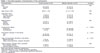
The mean total number of episodes in the BD group was 7.36 (SD, 0.88). This included 16 (34%) patients with zero-three episodes, 15 (32%) patients with four-six episodes, four (8%) patients with seven-10 episodes, and 12 (25.5%) patients with more than 10 episodes. The mean number of manic episodes was 3.70 (SD, 0.58), and the mean number of depressive episodes was 3.59 (SD, 0.59). The mean age at diagnosis was 27.34 (SD, 1.68) years, with a mean time since the first diagnosis of 15 (SD, 1.21) years. The minimum time since diagnosis was 3 years, and the maximum was 38 years.
The relationship between cognitive function and clinical features
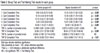
As shown in Table 2, there were significant differences in ST and TMT results between the BD and control groups. Completion times for the 1st, 2nd, 3rd, 4th, and 5th ST card all differed significantly between the BD and control groups (all p < 0.01). There was also a significant difference in completion time of Forms A and B of the TMT (p < 0.01 and p < 0.05, respectively). These findings underscore the importance of cognitive function in understanding and managing BD.
| Control group (n=47) | Bipolar disorder (n=47) | p-value | |
|---|---|---|---|
| 1. Card Completion Time | 9.58±0.42 (8.73-10.43) | 12.12±0.54 (11.02-13.23) | p < 0.001 |
| 2. Card Completion Time | 10.10±0.44 (9.19-10.99) | 13.18±0.69 (11.78-14.59) | p < 0.001 |
| 3. Card Completion Time | 12.15±0.42 (11.30-13.00) | 17.22±0.83 (15.55-18.90) | p < 0.001 |
| 4. Card Completion Time | 9.23±0.35 (8.52-9.93) | 15.41±0.95 (13.48-17.34) | p < 0.001 |
| 5. Card Completion Time | 23.46±1.16 (21.11-25.81) | 33.09±1.53 (30-36.17) | p < 0.001 |
| TMT A, number of corrected errors | 0.1489±0.091 (-0.034- 0.332) | 0.0212±0.0212 (-0.021- 0.064) | NS |
| TMT A Completion Time | 32.64±2.311 (27.99-10.99) | 58.34±3.773 (50.74-65.94) | p < 0.001 |
| TMT B, number of corrected errors | 0.5435±0.1831 (0.174-0.9123) | 0.8298±0.1702 (0.4872-1.172) | NS |
| TMT B Completion Time | 88.19±8.036 (72.01-104.4) | 133.6±8.893 (115.7-151.5) | p < 0.01 |
Bold type denotes statistical significance.
Data presented as mean ± SD, unless otherwise specified.
T-test, p < 0.05 indicates a statistically significant difference.
NS = not significant; TMT = Trail Making Test.
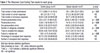
BD and control group performance on the WCST test is shown in Table 3. The number of responses differed significantly between the groups (p < 0.01). Three people (6.3%) in the BD group and 14 people (29.7%) in the control group completed the WCST without using all of the response cards. It was found that the number and percentage of perseverative errors was significantly higher in the BD group than the control group (p < 0.05, p < 0.05, respectively). The number of completed categories also differed significantly between groups. The mean completed category subscore was 3.295 (SD, 0.337) in the control group and 2.191 (SD, 0.276) in the BD group. In addition, failure to maintain set differed significantly between groups (p < 0.05).
| Control group (n=47) | Bipolar disorder (n=47) | p-value | |
|---|---|---|---|
| Total number of trials administered | 117±2.689 (111.6-122.4) | 125±1.296 (123.2-128.5) | p < 0.01 |
| Total number of correct responses | 66±2.31 (61.7-71.0) | 67.0±2.48 (62.09-72.08) | NS |
| Total number of erroneous responses | 50.64±3.84 (42.89-58.38) | 58.77±2.89 (52.94-64.6) | NS |
| Percent perseverative errors | 20.0±2.07 (15.86-24.22) | 28.05±2.449 (23.11-33.00) | p < 0.05 |
| Perseverative errors | 12.62±1.56 (9.465-15.77) | 18.16±2.19 (13.73-22.6) | p < 0.05 |
| Non-perseverative errors | 38.02±2.50 (32.97-43.07) | 40.63±2.08 (36.43-44.83) | NS |
| Number of categories completed | 3.29±0.33 (2.615-3.97) | 2.19±0.276 (1.635-2.748) | p < 0.05 |
| Trials to complete first category | 29.59±4.80 (19.87-39.30) | 29.31±3.87 (21.45-37.16) | NS |
| Failure to maintain set | 7.851±0.70 (6.43-9.26) | 10.15±0.60 (8.94-11.36) | p < 0.05 |
| Percentage of conceptual level responses | 60.75±2.92 (54.86-66.63) | 54.38±3.10 (48.12-60.64) | NS |
| Number of conceptual level responses | 42.34±2.82 (36.66-48.02) | 38.79±2.98 (32.76-44.82) | NS |
Bold type denotes statistical significance.
Data presented as mean ± SD, unless otherwise specified.
T-test, p < 0.05 indicates a statistically significant difference.
NS = not significant.
There was a weak but significant positive correlation between age at diagnosis and ST 4th card completion time (p > 0.05, p < 0.05). There was a significant positive correlation between the number of depressive episodes and ST 2nd and 3rd Card completion time (r = 0.39; p < 0.01 and r = 0.506; p < 0.001, respectively). There was a moderate but significant correlation between the total number of episodes and ST 3rd card completion time (r = 0.458, p < 0.05). There was a significant correlation between age at diagnosis and time scores for Form A and B of the TMT (r = 0.341, p < 0.05 and r = 0.363, p < 0.05, respectively).
Second-to-fourth digit ratios and their relationship with cognitive function
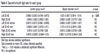
The 2D:4D ratios of the control and BD groups are shown in Table 4.
| Control group (n=47) | Bipolar disorder (n=47) | p-value | |
|---|---|---|---|
| Left 2D:4D | 0.9860±0.0055 (0.9748- 0.9972) | 1.003±0.0057 (0.9914- 1.014) | p < 0.05 |
| Right 2D:4D | 0.9940±0.0053 (0.9832-1.005) | 0.9903±0.0061 (0.9778-1.003) | NS |
| Left 2D:4D women | 0.9813±0.0073 (0.9662 -0.9965) | 0.9850±0.0057 (0.9831-1.007) | NS |
| Left 2D:4D men | 0.9929±0.0841 (0.9752-1.011) | 1.015±0.0110 (0.9916-1.039) | NS |
| Right 2D:4D women | 0.9914±0.007 (0.9768-1.006) | 0.9913±0.0084 (0.9739-1.009) | NS |
| Right 2D:4D men | 0.9979±0.00831 (0.9804-1.015) | 0.9837±0.01018 (0.9624-1.005) | NS |
Bold type denotes statistical significance.
Data presented as mean±SD, unless otherwise specified.
T-test, p < 0.05 indicates a statistically significant difference.
NS = not significant.
The Pearson correlation results indicated a weak but significant negative correlation between completion time of the Form A of the TMT and right-hand digit ratio in the BD group (r = -0.342, p < 0.05). As the right-hand digit ratio increased, performance in Form A of the TMT increased.
DISCUSSION
Our study found significantly different cognitive test performance between the BD and control groups, with the BD group performing notably worse. We also found a higher left-hand 2D:4D ratio in the BD group, which could have far-reaching implications. Most importantly, we identified significant correlations between the 2D:4D ratio and cognitive tests in both the BD and control groups.
In our study, the left-hand 2D:4D ratio was significantly higher in the BD group than the control group. This aligns with a 2020 study by Kılıç et al.,8 in which right-hand digit ratios were higher than in the control group. However, unlike our study, no significant difference was found in left-hand digit ratios. This discrepancy may be due to the inclusion of both BD-1 and BD-2 patients in our study.
Digit ratios are affected by prenatal sex hormones. It has been reported that this effect may be due to HOX genes in the homeobox gene group.15 The HOX gene is essential in finger and brain development and is affected by intrauterine testosterone.16 In our study, the relationship between the left-hand 2D:4D digit ratios in the BD and control groups might be due to HOX genes. However, no significant difference was found between the right-hand 2D:4D digit ratios. The ratio may differ between the left and right hands based on the dominant hemisphere. To prevent such a discrepancy in our study, only right-hand dominant patients were included. These findings have significant implications for our understanding of the role of prenatal sex hormones in cognitive function.
It is reported that prenatal testosterone levels affect cognitive function. In studies by Resnick et al.,17 Jacklin et al.,18 and Finegan et al.,19 testosterone levels in the cord blood of fetuses were associated with cognitive function in childhood - higher intrauterine testosterone levels were associated with lower performance. When we consider that 2D:4D ratios indirectly indicate intrauterine testosterone exposure, it is understood that the association between digit ratio and cognitive function in our study may be related to intrauterine testosterone exposure. Similar to the literature, in our BD group, as the correct digit ratio decreased, intrauterine T exposure increased and TMT A test completion performance decreased.
There is a significant pool of data in the literature regarding impaired cognitive function in BD. In our sample, when the cognitive test results were analyzed individually, the BD group failed in all ST card time scores compared to the control group. It is known that BD causes changes in attention and psychomotor activity during episodes.20 In addition, various publications have reported that attention deteriorates during BD remission periods,21 which was confirmed in our results.
The TMT was one cognitive test we applied. In 2007, Bora et al.22 showed that Form A was associated with motor speed. Similar to the ST, it was found that time scores for Form A were less successful in the BD group than the control group. However, no significant difference was found between the groups regarding Form A error scores. The explanation for these subscore results could be that the BD group spent more effort avoiding errors but needed help to speed up information processing. In our study, the BD group was significantly more unsuccessful in time scores than the control group. There was no significant difference in error rates between the groups, likely due to the same reason as the Form A results. Form B also tests executive function, especially cognitive flexibility.23 These results suggest that BD patients have impaired problem-solving abilities, which may be due to the cognitive inflexibility associated with the disorder.
The WCST was another cognitive function test we applied. Many researchers have reported that the WCST is associated with different executive functions. The WCST has many subscores, and different cognitive functions are examined in these subscores. Subscores that differed significantly between the BD and control groups include the number of responses, the number of completed categories, the number and percentage of perseverative errors, and failure to maintain set. Thus, according to our findings, impaired cognition continues even during the remission period of BD.
Detailed analysis of the clinical characteristics of the BD group revealed a remarkable relationship between clinical characteristics and ST results: as the total number of BD episodes increased, ST performance deteriorated. Bora et al.22 highlighted the relationship between the number of mania and depression episodes and cognitive function. When Weisenbach et al.24 analyzed cognitive functions according to the age of BD onset, they found that psychomotor speed was lower in late-onset than early-onset BD. Similar findings occurred in our study. As the age at BD diagnosis increases, successful ST, TMT A, and TMT B test results decrease. Considering this, late-onset BD is associated with executive function, attention, and psychomotor speed. The reason for the success of early-onset BD patients in cognitive tests may be that late-onset BD patients may not have received long-term diagnosis and treatment due to not having consulted a doctor for their previously non-clinical symptoms. As an example, long-term lithium use is known to have a neuroprotective effect on the prefrontal cortex.25 Another reason is that late-onset BD patients with may have more impaired cognitive function prior to disease onset. These findings have significant implications for the treatment and management of BD, suggesting that early diagnosis and intervention may help mitigate the cognitive impairment associated with the disorder.
The strengths of our study are that it is the first in which the 2D:4D ratio and cognitive tests were evaluated together in BD patients. The BD group's the 2D:4D ratio differed from that of the control group, although no significant relationship was found between finger length and cognitive function. However, there was a relationship between the 2D:4D ratio and cognitive function in the control group. The possible effects of medication use and different clinical characteristics on cognitive function in the BD group may affect the relationship between finger length and cognitive function. Future studies can be planned prospectively without drug use and with large samples. The limitations of our study include its cross-sectional design and the patients' use of medication.
Our research has revealed that all cognitive functions are worse in BD patients than healthy controls, even during remission. Left-hand 2D:4D ratios were higher in the BD group than healthy controls. We also found correlations between some cognitive test results and the 2D:4D ratio in BD patients, suggesting a potential link between the 2D:4D ratio and cognitive function in BD patients. These significant findings underscore the urgent need for prospective multicenter studies in this field, highlighting the importance of further research for understanding and treating BD.
 PDF
 Print
 Send this article by email
 How to cite this article
 Submit a comment
 Mendeley
 Pocket
 Share on Facebook
 Share on Twitter



