


ABSTRACT:
OBJECTIVE: Major depressive disorder (MDD) is a leading cause of disability among youth, yet
identifying this condition remains challenging. Naturalistic communication offers
a promising approach to enhance depression detection. Increased use of first-person
singular pronouns (e.g., "I") has been linked to MDD, but its applicability to younger,
non-English-speaking populations remains unclear.
METHODS: This study examined first-person pronoun use in Brazilian Portuguese-speaking adolescents
with and without MDD and its relationship to self-reported and clinician-rated depressive
symptoms. Fifty-two adolescents (13 with and 39 without MDD) from the Identifying
Depression Early in Adolescence Risk Stratified Cohort (IDEA-RiSCo) sample completed
remote data collection using a WhatsApp chatbot, responding to questions via audio
recordings. Transcripts were analyzed using the Linguistic Inquiry and Word Count
(LIWC).
RESULTS: The MDD group used significantly more I-pronouns than non-MDD subjects (9.15 vs. 8.02%,
t = -2.302, p = 0.026). Self-reported depressive symptomatology correlated with I-pronoun
use (rho = 0.366, p = 0.008), but did not reach statistical significance for clinician-rated
symptoms (rho = 0.248, p = 0.076).
CONCLUSIONS: These findings support first-person singular pronouns as a potential linguistic marker
of depression among Brazilian adolescents. This is the first study to replicate such
results in a young, non-English-speaking sample using spoken speech, suggesting that
integrating linguistic analysis with digital tools could enhance early detection efforts,
particularly in resource-limited settings. Future research should explore use of I-pronouns
alongside other linguistic and acoustic features to refine digital mental health screening
approaches.
Keywords: Depression; adolescence; linguistic markers.
| Note: How to cite this article: Viduani A, Cosenza V, Fisher HL, Buchweitz C, Mota N, Piccin J, et al. First-person pronouns as linguistic markers of depression among Brazilian youths. Braz J Psychiatry. 2025;47:e20244058. http://doi.org/10.47626/1516-4446-2024-4058 |
| Received: December 7 2024; Accepted: March 18 2025 |
INTRODUCTION
Major depressive disorder (MDD) is a leading cause of health-related disability among youth globally, with a point prevalence of 2.70% in individuals aged 15-19 (2.81% for the same age group in Brazil).1,2 However, there are substantial challenges in identifying young people suffering from this disorder, particularly in settings in which the majority of adolescents face barriers accessing clinical support and care.3 Thus, innovative strategies are crucial to improving the detection of MDD in youth.4
Depression has been shown to impact speech production in terms of vocal and linguistic parameters5; thus, linguistic markers may hold promise for the identification of depression in real-world settings. Notably, smartphone communication may be particularly relevant for detecting adolescent depression due to the key role of social connections and online interactions at this life stage.6
A well-established linguistic marker in the literature is the increased use of first-person singular pronouns (e.g., I) by individuals with MDD.7 Pronouns are function words -commonly used terms that primarily serve a grammatical or structural role rather than conveying substantive meaning.8 Several theories have been proposed to explain the relevance of first-person pronoun use in depression, with one dominant view suggesting that I-pronouns serve as linguistic indicators of heightened self-focused attention.9 This tendency has been linked to both the onset and maintenance of negative affect10 as well as to adverse interpersonal outcomes.11 Accordingly, it is theorized that individuals with depression use more first-person singular pronouns due to an increased self-preoccupation that characterizes the disorder. However, it is still unknown whether these findings can be replicated using naturalistic conversations, since studies have mostly relied on written reports (e.g., essays or, more recently, social media posts) produced by English-speaking individuals.12,13
Moreover, adolescent MDD is most prevalent in low- and middle-income countries (LMICs), such as Brazil,1 making it crucial to study linguistic indicators in non-English-speaking populations in these settings. Another important gap is examining this association in diverse types of languages with different grammatical rules and structures related to first-person pronouns. Brazilian Portuguese is a partial "pro-drop" language in which verbs do not necessarily require the use of the subject pronouns: first-person pronouns are used around 60% of times along with the verb in written or oral speech.14 This places Brazilian Portuguese somewhere in between full pro-drop languages and English (the language of most first-person pronoun studies), in which subject pronouns are required for sentence structure.
The present study sought to investigate patterns of first-person pronoun usage in a sample of Brazilian adolescents divided into MDD and non-MDD groups. We analyzed spoken reports produced in a context of interaction with a digital tool and explored associations with self-reported and clinician-rated depressive symptomatology. This exploration aims to offer insights into linguistic patterns that might be associated with youth depression in the Brazilian context.
METHODS
This study focuses on a subsample of the Identifying Depression Early in Adolescence Risk Stratified Cohort (IDEA-RiSCo), for which a sample of 150 adolescents were previously recruited from state public schools in Porto Alegre, Brazil, and followed over the course of 3 years.15 The present report draws from data collected at the 3rd year of the original IDEA-RiSCo study. At this time point, all participants underwent a diagnostic interview with a board-certified child and adolescent psychiatrist using the Schedule for Affective Disorders and Schizophrenia for School-Age Children - Present and Lifetime Version (K-SADS-PL)16 to assess for presence of depression. Additionally, participants also completed the Mood and Feelings Questionnaire (MFQ),17 a self-report questionnaire designed to assess mood symptomatology in children and young people; clinicians rated the Children's Depression Rating Scale-Revised (CDRS-R),18 a clinician-administered assessment tool evaluating the severity of depression in children and adolescents.
Subsequent to the interviews, adolescents were invited to engage in a 14-day remote data collection using the IDEABot, a WhatsApp-based chatbot designed to collect intensive longitudinal data on adolescents' mood.19 It employs a conversational approach, wherein participants are prompted to send voice notes in response to chatbot inquiries every other day. Questions were designed to engage participants in a range of topics, such as their activities (What have you done today?), mobile phone and Internet use (How much time do you spend on the internet in a day?), and their support network (Who else do you share things that happen in your life with?) (Supplementary Material S1 and Supplementary Box S1).
Participants included in the present study were those who completed the clinical evaluation and responded to all 7 days of audio questions in the IDEABot. A single text entry was generated for each day, totaling seven text entries per participant. Transcription of the audio files was carried out by two independent researchers, with discrepancies resolved through consensus with a third. To preserve anonymity, all identifiable information was omitted in the transcription process.
Linguistic analyses were conducted on transcripts using the Linguistic Inquiry and Word Count (LIWC) software (Brazilian Portuguese dictionary20). LIWC utilizes a word count algorithm that scans the text for words and word stems. It then categorizes them into predefined groups within an internal dictionary, generating an output that represents the normalized frequency of each group. Two pronoun categories were analyzed: first-person singular (I-pronouns) and first-person plural (we-pronouns). LIWC identifies and counts pronouns only when explicitly used by participants, and aggregates occurrences of all first-person pronouns - subjective (e.g., eu/I and nós/we), objective (e.g., me/me and nós/us), and possessive (e.g., meu/mine and nosso/ours) - into a single metric. This metric represents the percentage of words in the text that belong to this category, effectively reflecting the normalized frequency of first-person pronouns.
For each participant, we calculated the average relative frequency of each pronoun class. Group comparisons between the MDD and non-MDD groups for each pronoun class were conducted using independent-samples t tests or Mann-Whitney U tests as appropriate. Additionally, we investigated the relationship between pronoun frequency and depressive symptomatology, both self-reported and clinician-rated, using Spearman's rho. Statistical tests adhered to appropriate distribution assumptions, with the Shapiro-Wilk test used to assess the normality of the data distribution, and were performed with a significance threshold of p < 0.05. Analyses were performed in JASP.
Ethics statement
Participants and/or their primary caregivers provided written consent for data collection and the IDEA-RiSCo study received ethical approval from the Hospital de Clínicas de Porto Alegre Research Ethics Committee (CAAE: 50473015.9.0000.5327).
RESULTS
Of the 150 adolescents, 132 participated in the diagnostic interview at the third and last wave of assessment and thus were eligible to use the IDEABot. Of those, 121 (91.6%) completed at least one interaction, engaging on average 5.3 (SD = 1.9) days. A total of 52 participants (57.7%; 30 females) completed all 7 days of audio interactions and were included in the final analysis. No differences regarding sex and self-reported or clinician-rated depressive symptomatology were found between adolescents who completed the 7 days of data collection and those who did not (all p > 0.05).
Of the 52 adolescents who completed the IDEABot data collection, 13 (25%) had a formal diagnosis of MDD at follow-up. Group differences were not found regarding participants' age, proportion of female participants, or total number of words produced (all p>0.05). As expected, the MDD group had significantly higher scores for both self-reported and clinician-rated depressive symptomatology (Table 1).
| Characteristic | non-MDD (n=39) | MDD (n=13) | Statistical comparison between groups |
|---|---|---|---|
| Female, n (%) | 23 (58.9) | 7 (53.8) | X2 = 0.150, p = 0.746 |
| Age, median (IQR) | 18 (2) | 18 (2) | U = 263.5, p = 0.832 |
| Total word count, median (IQR) | 1,394 (1,175.5) | 1,285 (976.0) | U = 253.5, p = 1.000 |
| First-person singular pronoun use, mean (SD) | 8.020 (1.635) | 9.147 (1.128) | t = -2.302, p = 0.026 |
| First-person plural pronoun use, median (IQR) | 0.119 (0.164) | 0.103 (0.174) | U = 319.0, p = 0.168 |
| MFQ score, mean (SD) | 16.795 (11.138) | 35.385 (14.286) | t = -4.850, p < 0.001 |
| CDRS-R score, median (IQR) | 18 (7) | 44 (19) | W = 13.5, p < 0.001 |
Bold type denotes statistical significance.
CDRS-R = Children's Depression Rating Scale-Revised; IQR = interquartile range; MDD = major depressive disorder; MFQ = Mood and Feelings Questionnaire.
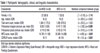
The MDD group used significantly more I-pronouns than non-MDD participants (9.15 vs. 8.02%, p = 0.026) (Table 1). Continuous self-reported depressive symptomatology was significantly associated with the use of I-pronouns (rho = 0.366, p = 0.008), but the association did not reach statistical significance regarding clinician-rated depressive symptomatology (CDRS-R) (rho = 0.248, p = 0.076). No association between depressive symptomatology measures and first-person plural pronouns was found (Supplementary Material S2). Since all participants were part of a prospective cohort (IDEA-RiSCo), we also conducted additional exploratory analyses using data from a previous data collection point (2nd year of follow-up), in which a positive, significant association between the MFQ score and I-pronoun use was also observed (rho = 0.370, p = 0.002) (Supplementary Material S3, Supplementary Table S1).
DISCUSSION
Our study suggests that first-person singular pronouns might constitute promising linguistic markers for depression among youths who speak Brazilian Portuguese. These findings are aligned with the literature on the association of first-person pronoun use and depression, which has traditionally focused on Germanic languages (notably English).21 To the best of our knowledge, this is the first study to replicate these results in a sample of Brazilian youths using naturalistic spoken speech.
We found that youths with depression used more first-person singular pronouns than non-depressed peers. This replicates findings from both outpatient12 and inpatient22 adult samples, and adds to studies suggesting the relevance of this marker in younger populations.5 Unlike prior works that relied on self-reported measures to define depression status,7 our study ensured all adolescents had a depressive episode confirmed by a specialist, a key strength that further corroborates the relevance of this marker for detecting depression. Additionally, the small, positive association observed between the use of "I" pronouns and depression symptoms (all continuous variables) also aligns with previous literature, which showed the same correlation pattern between self-reported symptomatology and I-pronoun use in adult samples.21 Thus, adolescents experiencing more severe depressive symptoms may exhibit heightened self-referential thinking, which is reflected in their language.
Conversely, our results suggest a lack of a statistically significant association between I-pronoun use and clinician-rated depressive symptoms. This discrepancy might stem from differences in how individuals perceive and express their symptoms compared to how clinicians evaluate them or to differences in terms of form and content of the questionnaires, since the MFQ requires adolescents to rate personal statements and includes DSM/ICD symptoms and manifestations that are not part of the diagnostic criteria used in the clinician-rated measure, but have been shown to be central to the experience of adolescent depression.23,24 However, this result might also be due to limited statistical power related to the small sample size. As this is the first study to assess both self-reported and clinician-rated scores, future research should investigate these differences, since our limited sample size means it is unclear whether this result might reflect limited statistical power. Lastly, while we did not find an association between depressive symptoms and we-pronouns, it has been proposed that individuals with depression may use fewer first-person plural pronouns, potentially reflecting social withdrawal.25
Overall, our results highlight the relevance for future research to further investigate the role of first-person pronoun use in adolescent depression. Beyond the grammatical structure of Brazilian Portuguese, social norms surrounding age-related factors, self-expression, emotional disclosure, and collectivistic tendencies can shape how individuals use first-person pronouns in speech.26 Future research could explore how cultural elements can interact with linguistic markers of depression to provide a more nuanced understanding of their role in different sociocultural settings.
The study's limitations include its cross-sectional design; the small, non-representative sample size, which may have limited its statistical power; and the fact that we did not investigate whether the patterns of effects observed are comparable for males and females. Additionally, we acknowledge that all accounts analyzed were prompted by the chatbot - i.e., not entirely naturalistic - and that certain questions posed by the IDEABot may have encouraged the use of first-person pronouns. Given that all participants were presented with the same set of questions, it seems unlikely that this factor meaningfully influenced our findings. Nonetheless, future research may benefit from refining question formats in collaboration with linguistic experts to potentially mitigate this effect while maintaining the focus on personal experience. The scope of linguistic analyses performed using LIWC also represents a challenge to the generalizability of findings, since it provides no information about how these pronouns were used or the relation to the content of participants' speech.
Nonetheless, our findings add to the growing body of evidence indicating that specific linguistic markers might hold a promising role in the identification of depression in Brazilian youth. Future studies should explore the usability of first-person pronouns as a marker for identifying current depressive symptoms, alone or in association with other linguistic and acoustic features, such as content and emotional valence, as well as explore longitudinal patterns of pronoun use and its ability to predict future depressive symptoms.
Our findings highlight the potential of language analysis to reveal specific patterns associated with depression, positioning it as a valuable tool for assessment of this condition in naturalistic settings. When integrated with advanced technologies such as large language models, these linguistic markers could significantly enhance early detection efforts for adolescents at risk. This may have important implications for clinical practice, as digital tools leveraging linguistic analysis could offer scalable, low-cost methods for identifying depressive symptoms early, facilitating timely intervention and support.
SUPPLEMENTARY MATERIALS
ACKNOWLEDGEMENTS
This study was supported by the Royal Academy of Engineering under the Frontiers Follow-on Funding scheme (FF\1920\1\61), the MQ Brighter Futures grants (MQBF/1 and MQBF/4), the UK Medical Research Council (MC_PC_MR/R019460/1) and the Academy of Medical Sciences (GCRFNG_100281) under the Global Challenges Research Fund, and the U.S. National Institute of Mental Health (R21MH124072). Also contributing were Conselho Nacional de Desenvolvimento Científico e Tecnológico (CNPq; 477129/2012-9 and 445828/2014-5), Coordenação de Aperfeiçoamento de Pessoal de Nível Superior (CAPES; 62/2014), and Fundação de Amparo à Pesquisa do Estado do Rio Grande do Sul (FAPERGS; 17/2551-0001009-4). This study was financed in part by CAPES - Finance Code 001. HLF was partly supported by the Economic and Social Research Council (ESRC) Centre for Society and Mental Health at King's College London (ES/S012567/1). VM is supported by the National Institute for Health and Care Research (NIHR) Maudsley Biomedical Research Centre at South London and Maudsley National Health Service (NHS) Foundation Trust and King's College London. CK was a UK Academy of Medical Sciences Newton Advanced Fellow and is currently a CNPq researcher. The views expressed are those of the authors and not necessarily those of the funders, the NHS, the NIHR, the NIH, the Department of Health and Social Care, the ESRC, or King's College London.
The authors would like to express their gratitude to the schools and individuals who participated in this study, and to all members of the Identifying Depression Early in Adolescence (IDEA) team for their dedication, hard work, and insights.
 PDF
 Print
 Send this article by email
 How to cite this article
 Submit a comment
 Mendeley
 Pocket
 Share on Facebook
 Share on Twitter