



| Note: How to cite this article: Biokino RM, Daher N, Feitosa G, Gadelha A. Nonspecific behavioral manifestations of clozapine intoxication highlight the critical role of therapeutic drug monitoring in schizophrenia: insights from a case series. Braz J Psychiatry. 2026;48:e20254241. Epub 2025 Sep 14. http://doi.org/10.47626/1516-4446-2025-4241 |
| Received: March 27 2025; Accepted: July 28 2025 |
Clozapine is the preferred medication for patients with treatment-resistant schizophrenia, a condition affecting over one in three cases.1 Whereas clinicians usually fear severe side effects with clozapine, death risk is low.2 The risk of intoxication, however, is often overlooked, which may lead to hazardous consequences. We report four cases and discuss the clinical decision-making process involved in each. Informed consent was obtained for this publication.
Clozapine pharmacokinetics and pharmacodynamics exhibit significant inter-individual and ancestry-related variability.3 Blood levels are influenced by factors such as sex, gender, ethnicity, liver function, and changes in activity of the cytochrome P450 oxidase enzymes, which can be affected by genetic variability, concurrent medications, smoking, or caffeine intake.4 In addition, clozapine has the narrowest therapeutic index among second-generation antipsychotics.5,6
Acute clozapine intoxication can range from mild symptoms such as sedation and dizziness to serious complications such as seizures, hypotension, cardiac arrhythmia, and aspiration pneumonia.7 Therapeutic drug monitoring (TDM) has emerged as a vital tool to ensure the safe and effective use of clozapine, and a consensus guideline from experts strongly recommends monitoring plasma levels.5,8 The consensus guideline proposed a therapeutic reference range of 350 to 600 ng/mL for steady-state clozapine.8 In Brazil, the implementation of TDM faces significant challenges due to its high cost, which often limits accessibility. TDM allows physicians to measure and optimize blood levels of the drug, mitigating the risk of intoxication. We present four cases of clozapine intoxication, aiming to identify risk factors and evaluate whether TDM provided valuable insights in a low-resource setting.
CASE 1
A 26-year-old woman with treatment-resistant schizophrenia developed clinical deterioration marked by behavioral disorganization and increased severity of psychotic symptoms. This began at a clozapine dose of 500 mg and worsened after escalating to 600 mg, necessitating hospitalization. Despite the patient's family reporting regular medication adherence, nonadherence was still suspected. Consequently, the patient was discharged on zuclopenthixol and risperidone but remained notably psychotic.
A subsequent trial of clozapine was initiated, and for the first time, serum levels were measured. These revealed clozapine at 1850 ng/mL and norclozapine at 701 ng/mL (a ratio of 2.6) while on 400 mg of clozapine, 10 mg of haloperidol, and 40 mg of fluoxetine. Switching fluoxetine to sertraline led to a drop in clozapine levels to 1310 ng/mL, and a further dose reduction to 375 mg resulted in levels of 1200 ng/mL. At this lower serum level, the patient's anxiety and severity of psychotic symptoms decreased significantly.
CASE 2
A 50-year-old male on clozapine treatment for 12 years, with persistent persecutory delusions, experienced global deterioration following an attempt to increase the clozapine dose from 650 mg to 750 mg. The patient reported nonspecific symptoms, including anxiety, increased extremity tremors (without bradykinesia), dysphagia, and nausea as the dose escalated.
Suspecting clozapine toxicity, the dose was reduced to 650 mg, and for the first time, a serum clozapine level was measured. The results revealed a serum clozapine level of 1258 ng/mL. Consequently, the dose was further reduced to 600 mg, which led to significant improvement in the patient's nonspecific symptoms and anxiety. At the new dose, clozapine levels decreased to 644 ng/mL, with norclozapine levels at 221 ng/mL, resulting in a clozapine/norclozapine ratio of 2.91.
CASE 3
A 50-year-old woman with a 12-year history of clozapine use, who had achieved remission but struggled with adherence, was hospitalized after independently reducing her clozapine dose to 100 mg. During her stay, the dose was increased back to 500 mg. After 11 months at this level, TDM unexpectedly showed clozapine levels of 1703 ng/mL and norclozapine levels of 762 ng/mL (2.23 ratio) without signs of toxicity. The dose was later reduced to 250 mg, yielding levels of 637 ng/mL and 432 ng/mL (1.47 ratio), with continued symptom remission.
CASE 4
A 35-year-old man had clozapine titrated to 700 mg during his last hospitalization. After an initial clinical stabilization, he later experienced relapsing auditory hallucinations and panic-like symptoms. TDM surprisingly revealed a clozapine level of 2100 ng/mL and a norclozapine level of 695 ng/mL (2.91 ratio). Despite these high levels, he showed no typical symptoms of intoxication. A subsequent dose reduction improved his panic-like symptoms.
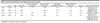
Table 1 shows the details of all four cases.
| Sex | Age | Dose (mg) | Serum norclozapine level (ng/mL) | Serum clozapine level (ng/mL) | Nonspecific intoxication symptoms | Specific intoxication symptoms┼ | Smoking | Concomitant medications | |
|---|---|---|---|---|---|---|---|---|---|
| Case 1 | Female | 26 | 500 | 701 | 1,850 | Yes | No | No | Haloperidol 10 mgFluoxetine 40 mg |
| Case 2 | Male | 50 | 650 | - | 1,258 | Yes | Yes | Yes | Risperidone 4 mgSertraline 100 mg |
| Case 3 | Female | 50 | 500 | 762 | 1,703 | No | No | No | Levothyroxine 150 mcgVitamin D 7.000 u |
| Case 4 | Male | 35 | 600 | 695 | 2,100 | Yes | No | No | Valproic acid 1 gLevothyroxine 150 mcgAripiprazole 20 mgEscitalopram 20 mg |
┼ Dysphagia, myoclonus, excessive somnolence.
DISCUSSION
In the first two cases, clozapine intoxication was suspected following dose increases, which coincided with a deterioration in mental health. In contrast, in the other two cases, TDM was performed solely to assess adherence, without any suspicion of intoxication. In three out of four cases, behavioral changes extending beyond those typically associated with clozapine intoxication were observed. All patients were on concomitant medications, highlighting the need for increased vigilance in such situations. In all reported cases, clozapine dose reductions did not lead to a resurgence of psychotic symptoms, whereas other studies have documented clinical destabilization.4
In the three cases for which norclozapine levels were available, the ratio consistently exceeded 1.73, indicating inhibited clozapine metabolism. While the average ratio in literature is 1.73, variations may suggest enzyme induction (lower ratios) or inhibition (higher ratios).9 Notably, higher ratios are associated with poorer cognitive function.10
CONCLUSION
The absence of typical intoxication symptoms in three of the four reported cases underscores the importance of monitoring TDM and remaining vigilant for less specific manifestations, such as functional deterioration and general health decline. In low- and middle-income countries, the high cost of TDM remains a significant barrier to its routine use, potentially limiting its role in enhancing clozapine safety. Considering the cases described herein, a protocol for implementing TDM of clozapine in low- and middle-income countries should prioritize patients with recent dose adjustments, doses within the upper range of the therapeutic distribution, behavioral changes, and polypharmacy.9 Moreover, measuring norclozapine levels alongside clozapine levels provided valuable insights into the potential causes of intoxication. In conclusion, our study serves as a warning to clinicians, emphasizing the importance of recognizing the potential risks of clozapine intoxication.
 PDF
 Print
 Send this article by email
 How to cite this article
 Submit a comment
 Mendeley
 Pocket
 Share on Facebook
 Share on Twitter



