


ABSTRACT:
OBJECTIVES: Animal hoarding is a special manifestation of hoarding disorder, characterized by
the accumulation of animals and failure to provide them with minimal care. The main
objective of this systematic review is to evaluate the characteristics of animal hoarding,
focusing on the profile of affected individuals and the features of accumulation behavior.
METHODS: A systematic search of the literature was conducted in the electronic databases MEDLINE,
Scopus, and LILACS until October 2022. We included case series (n = 10) and cross-sectional
studies assessing animal hoarding.
RESULTS: A total of 374 studies were initially retrieved. Most studies were classified as having
poor quality and significant risk of bias. A total of 538 individuals with animal
hoarding were evaluated. These individuals were predominantly middle-aged, unmarried
women who lived alone in urban areas. Most of their residences had unsanitary conditions.
Recidivism rates varied from 13-41%. Cats and dogs were the main hoarded species,
mostly acquired through unplanned breeding, and disease, injury, behavioral problems,
and a lack of hygiene were characreristic of their condition. Animal carcasses were
found in up to 60% of the properties.
CONCLUSION: Animal hoarding is a complex condition that requires urgent attention. More research
is necessary to develop effective strategies that can save community resources, improve
animal and human welfare, and prevent recidivism.
Keywords: Animal hoarding; hoarding disorder; hoarding; compulsive behavior.
FIGURES
| Received: December 12 2022; Accepted: April 27 2023 |
INTRODUCTION
The first scientific publication describing people who lived with many animals consisted of cases from New York city.1 The term "animal hoarding" refers to the compulsive need to collect and own animals that results in accidental or unintentional neglect or abuse.2 Hoarding behavior is included in the DSM-IV-TR as a symptom of obsessive-compulsive disorder, or obsessive-compulsive personality disorder.3 In the DSM-5,4 hoarding disorder was classified as an independent disorder, described in the chapter on Obsessive-Compulsive and Related Disorders.3
Animal hoarding may be considered a special manifestation of hoarding disorder, although some researchers argue that it might be an independent nosological entity. The accumulation of animals coupled with the inability to provide them with veterinary care, sanitation, physical space, and nutrition are components of the animal hoarding diagnosis; however, animal hoarding behavior might entail addiction, dementia, or even focal delusion.5,6 People who hoard animals can be classified in three main categories: 1) "overwhelmed caregivers" - individuals whose problems with animals are triggered by changes in circumstances or resources, 2) "rescuers" - individuals with a strong sense or mission to save animals, and 3) "exploiters" - individuals lacking empathy who acquire animals to serve their own needs.7
Animal hoarding is a public health problem due to serious health and welfare risks that affect people and animals.6,8 However, the frequency of animal hoarding is still unknown.6 Keeping a large number of animals in the same space could result in feces and urine accumulation, attracting pests, and increasing the risk infectious diseases.6 Hoarded animals might develop abnormal behaviors such as fear, sensitivity to touch, attachment and attention seeking, separation-related behavior, urination and defecation when left alone, or repetitive behaviors.9 Poor insight and pervasive neglect are generally characteristic of people who hoard animals; their houses may lack working bathrooms, cooking facilities, heat, electricity, or running water, and their beds may be soiled with human or animal excrement.10,11 Deceased animals might be kept in freezers, outbuildings, or otherwise preserved.12 Managing animal hoarding cases is also costly and cumbersome, involving public health, social services, psychiatric treatment, veterinary treatment, legal counselling, housing, sanitation, and animal control agencies.8
Studies on animal hoarding have been of relatively poor quality. The main objective of this systematic review is to evaluate the characteristics of animal hoarding, focusing on the profile of affected individuals and the features of accumulation behavior.
METHODS
Search strategy and study selection criteria
A systematic search of the literature was conducted until October 2022 in the MEDLINE, LILACS, and Scopus electronic databases. The search terms "animals" and "hoarding" were applied. The entire search strategy in MEDLINE and LILACS was "Animals AND hoarding", in Scopus, the entire search strategy was "TITLE-ABS-KEY (animals) AND TITLE-ABS-KEY (hoarding)". No restrictions were established regarding language or year of publication. We included original studies (n > 10) assessing adults. We excluded studies that did not include humans and neurobiological studies. Review studies were manually searched for additional references.
Six independent reviewers systematically assessed articles by titles, abstracts and, finally, full reading for inclusion eligibility (BC, BCB, BW, GS, LS, and LD). Disagreements were resolved through arbitration with a seventh reviewer (IGB). The included case series were evaluated using the Quality Assessment Tool for Case Series Studies of the U.S. National Institutes of Health's National Heart, Lung, and Blood Institute,13 while the included cross-sectional studies were evaluated using its Quality Assessment Tool for Observational Cohort and Cross-Sectional Studies.14 We considered scores = 7 indicative of good quality and a low risk of bias, scores of 5 or 6 indicative of fair quality, including susceptibility to some bias but not enough to invalidate the results; and scores = 4 indicative of poor quality and significant risk of bias.15
Data extraction process
We developed a data extraction table based on the Cochrane template.16 Six investigators (BC, BCB, BW, GS, LS, and LD) extracted the data and a seventh reviewer (IGB) verified the extracted data.
This systematic review was registered in PROSPERO (protocol CRD42022372622).
RESULTS
Description of the studies
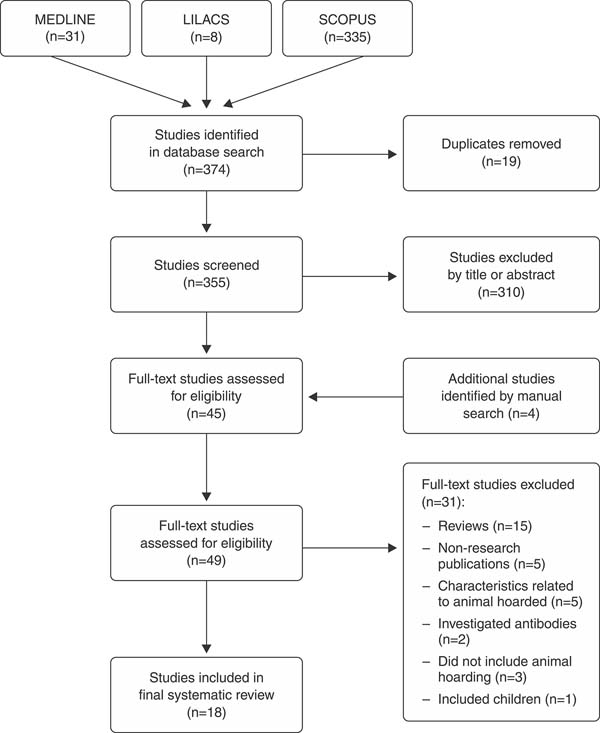
A total of 374 articles were identified in MEDLINE, LILACS, and Scopus. Duplicate articles (n=19) were excluded. After applying the forementioned exclusion criteria, 49 articles were selected for full text review.
Among the articles reviewed in full, 31 were excluded: 15 were literature reviews11,12,17-29; five were non-research publications30-34; five evaluated hoarded animals35-39; two investigated antibodies40,41; three did not involve animal hoarding6,42,43; and one included children.44 Thus, 18 articles were included in the final selection (Figure 1).
Characteristics of included studies
All of the selected studies were observational.1,5,8,10,45-58 Six of the studies were conducted in the USA,1,5,10,45,46,52 five in Brazil,50,51,55-57 four in Australia,8,48,49,54 two in the UK,53,58 and one in Spain.47
The sample sizes varied, ranging from 1053 to 8358 participants (Table 1). Most studies were case series from animal control agencies and humane societies.1,5,10,45-49,52-54
| First author | Country | Sample size | Source | Diagnostic criteria |
|---|---|---|---|---|
| Worth1 | United States | 34 | Analysis of records and personal interviews of 31 cases from the New York City Department of Health and ASPCA | ND |
| Patronek10 | United States | 54 | Case reports from animal control agencies and humane societies | Own definition |
| HARC45 | United States | 71 | Case reports from animal control agencies and humane societies | HARC |
| Berry5 | United States | 56 | Cases identified through media reports | HARC |
| Steketee46 | United States | 1611 | Cases recruited through animal protection agenciesControls recruited from media advertisements | HARC |
| Calvo47 | Spain | 24 | Case reports from humane societies | HARC |
| Joffe48 | Australia | 29 | Analysis of the records of people convicted for offences related to animal hoarding in NSW | HARC |
| Ockenden49 | Australia | 22 | Case reports from the RSPCA Victoria and municipal councils | HARC |
| Cunha50,57 | Brazil | 39 | Reports from Curitiba Secretaries of Health, the Environment and Social Assistance (Secretarias Municipais de Saúde, Meio Ambiente e Assistência Social de Curitiba) | DSM-5 |
| Ferreira,51,55 Paloski56 | Brazil | 33 | Reports from the Municipal Secretariat for Animal Rights of Porto Alegre (Secretaria Especial dos Direitos Animais) | DSM-5 |
| Dozier52 | United States | 17 | Case files from the San Diego County Animal Control and the Nebraska Humane Society | ND |
| Elliott,6 Snowdon54 | Australia | 50 | Cases referred to RSPCA in NSW | Patronek's definition |
| Hill53 | United Kingdom | 10 | Cases referred to RSPAC GMAH | ND |
| Wilkinson58 | England | 83 | Cases identified through media reports | DSM-5 |
ASPCA = American Society for the Prevention of Cruelty to Animals; GMAH = Greater Manchester Animal Hospital; HARC = Hoarding of Animals Research Consortium; ND = not described; NSW = New South Wales; RSPCA = Royal Society for the Prevention of Cruelty to Animals.
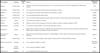
Two studies used the veterinary classification of animal hoarders.8,10 Six studies used Hoarding of Animals Research Consortium45 criteria.5,45-49 Three studies applied the DSM-557 criteria.50,51,55-58 Three studies did not cite the criteria used to define animal hoarding.1,52,53
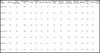
Most studies (14/18) were of poor quality and had a significant risk of bias (Tables 2 and 3).
| First author | Objective | Study population | Consecutive cases | Subjects comparison | Intervention | Outcomes | Length of follow-up | Statistical methods | Results | Total (yes) |
|---|---|---|---|---|---|---|---|---|---|---|
| Worth1 | No | No | NR | Yes | No | No | No | No | No | 1 |
| Patronek10 | Yes | Yes | NR | Yes | No | No | No | No | Yes | 4 |
| HARC45 | Yes | No | NR | Yes | No | No | No | Yes | Yes | 4 |
| Berry5 | Yes | No | NR | No | No | Yes | No | No | Yes | 3 |
| Calvo47 | Yes | Yes | NR | Yes | No | No | No | No | Yes | 4 |
| Joffe48 | Yes | Yes | NR | Yes | No | Yes | No | Yes | Yes | 6 |
| Ockenden49 | Yes | Yes | NR | Yes | No | Yes | No | No | Yes | 5 |
| Dozier52 | Yes | No | NR | No | No | Yes | No | No | Yes | 3 |
| Hill53 | Yes | No | NR | Yes | Yes | Yes | Yes | Yes | Yes | 7 |
| Wilkinson58 | Yes | Yes | NR | Yes | No | Yes | No | No | Yes | 5 |
HARC = Hoarding of Animals Research Consortium; NHLBI = U.S. National Heart, Lung, and Blood Institute; NR = not reported.

| First author | Objective | Study population | Participation rate | Criteria | Sample size | Exposure | Timeframe | Exposure levels | Exposure measures | Exposure assessments | Outcome measures | Blinding | Follow-up | Statistical | Total (yes) |
|---|---|---|---|---|---|---|---|---|---|---|---|---|---|---|---|
| Steketee46 | Yes | Yes | NR | No | No | No | No | NA | NA | NA | NA | NA | NA | NA | 2 |
| Cunha50 | Yes | No | yes | Yes | No | No | No | NA | NA | NA | NA | NA | NA | NA | 3 |
| Ferreira51 | Yes | Yes | yes | Yes | No | No | No | NA | NA | NA | NA | NA | NA | NA | 4 |
| Elliott8 | Yes | Yes | NR | Yes | No | No | No | NA | NA | NA | NA | NA | NA | NA | 3 |
| Snowdon54 | Yes | Yes | NR | Yes | No | No | No | NA | NA | NA | NA | NA | NA | NA | 3 |
| Ferreira55 | Yes | Yes | yes | Yes | No | No | No | NA | NA | NA | NA | NA | NA | NA | 4 |
| Paloski56 | Yes | Yes | yes | Yes | No | No | No | NA | NA | NA | NA | NA | NA | NA | 4 |
| Cunha57 | Yes | Yes | yes | Yes | No | No | No | NA | NA | NA | NA | NA | NA | NA | 4 |
NA = not applicable; NHLBI = U.S. National Heart, Lung, and Blood Institute; NR = not reported.
Prevalence and incidence
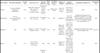
The prevalence of animal hoarding was addressed in four studies: two studies reported 0.8 cases per 100,000 population in USA,1,10 one reported 3.71 cases per 100,000 population in Brazil,50 and another reported 1.78 cases per 100,000 population in England58 (Table 4).
| First author | Prevalence/incidence | Female (%) | Age (years) (%) | Marital status (%) | Lives alone (%) | Level of education (%) | Number of animals | Species hoarded (%) | Acquisition methods (%) | Recidivism (%) |
|---|---|---|---|---|---|---|---|---|---|---|
| Worth1 | 0.8 cases/100,000 population (Manhattan) | 61.8 | Mean 60 (owners of dogs), mean 30 (owners of cats/mixed/other) | No partner (55.5), married (30.5), unknown (13.9) | ND | High school (100) | Mean 34 (cats), 23 (dogs) | Cats (45.1), dogs (41.9), mixed and other (12.9) | ND | ND |
| Patronek10 | 0.8 new cases/year/100,000 population | 76 | = 60 (46), 40-59 (37), < 40 (11) | No partner (72.2) | 55.6 | ND | Median 39 | Cats (65), dogs (60), farm animals (11), birds (11) | Unplanned breeding (38.9), deliberate breeding (13), sought from the public or collecting strays (25.9), brought by public (9.3), purchased (7.4) | ND |
| HARC45 | ND | 83.1 | Median 55 women, median 53 men | No partner (71.8) | 46.5 | ND | Range 10-918. Men: mean 55.8 median 47; women: mean 90.1 median 50 | Cats (81.7), dogs (54.9), birds (16.9), small mammals (11.3), horses (5.6), cattle or sheep or goats (5.6), reptiles (5.6) | Unplanned breeding (56), sought from the public (46) | Yes (25.3) |
| Berry5 | ND | 73.2 | 50-54 (54.5) women, 50-54 (33.3) men | ND | ND | ND | Range 218 (dogs), 1-400 (cats) | Dogs (46.4), cats (33.9), birds (5.4), farm animals (5.4), rabbits (3.6), horses (3.6), exotic species (1.8) | ND | ND |
| Steketee46 | ND | 94 (hoarders), 91 (controls) | Mean 49.7 (hoarders), mean 43.7 (controls) | Hoarders: never married (56); controls: never married (55) | 48 | Hoarders: college (52); controls: college (60) | Hoarders: mean 23.7; controls: mean 35.1 | Hoarders: cats (46.7), dogs (10), others (43.3); controls: cats (31.6), dogs (21.5), others (46.9) | ND | ND |
| Calvo47 | ND | 51.8 | = 65 (63), 41-65 (31.6), < 41 (5.3 ) | ND | 83 | ND | Range12-159 (total). 9-159 (dogs), 1-75 (cats); mean 50 | Dogs (80.9), cats (19.4) | Uncontrolled breeding (78.2), deliberate breeding (17.4), collecting strays (69.5) | Yes (12.5) |
| Joffe48 | ND | 72.4 | Mean 54.8 | ND | ND | ND | Range 6-500, mean 80, median 41 | Dogs (79.3), cats (69), horses (41.4), birds (27.6), goat (20.7), sheep (13.8), fowl (13.8), donkey (10.3), others (27.8) | Breeding (51.7), collecting strays (3.4), purchased (3.4), breeding and purchased (17.2), breeding and strays (7), purchased and strays (7), unknown (10.3) | Yes (24.1) |
| Ockenden49 | ND | 63 | 30-39 (9.1), 40-49 (18.2), 50-59 (45.5), 60-69 (9.1), 70-79 (4.5), 80-89 (13.6) | ND | 45.5 | ND | Range 10-180 | Cats (50, dogs (22.7), horses (13.6), mixed species (13.6) | Uncontrolled breeding (81.8), collecting strays (31.8), active source or purchase (22.7) | Yes (40.9), no (22.7), unknown (36.4) |
| Cunha50,57 | 3.71 cases/100,000 population | 74.3 | Mean 62.2, < 60 (42), > 60 (58) | ND | 41 | Illiterate (12.8), primary school (48.7), high school (25.6), college (12.8) | Range 1-105 (dogs), 1-60 (cats). Mean 20 (dogs), 13.6 (cats) | Dogs (28.2), cats (3.69), dogs and cats (64.1), other (25.6) | ND | ND |
| Ferreira,51,55 Paloski56 | ND | 73 | Mean 61.4 | No partner (88), married (12) | 52 | Illiterate (3), primary school (36), high school (40), college (21) | Range 3-101, mean 41 | Dogs (67.4), cats (28.1), ducks (3.7) | ND | ND |
| Dozier52 | ND | ND | ND | ND | ND | ND | Range 2-274, mean 94 | Cats (65), dogs (59), rabbits (35), other (46) | ND | ND |
| Elliott,8 Snowdon54 | ND | 78 | < 40 (16), 40-59 (44), 60-69 (22), > 70 (10), missing (8) | No partner (44), married (34), unknown (22) | 40 | ND | Range 6-300, mean 53, median 35 | Cats (75), dogs (52), birds (17), other (34) | Unplanned breeding (60), planned breeding (28), collecting strays (38), purchased (6), sought from the public (32), other sources (23), animal rescue networks (19), animal pounds (9), searching advertisements/Internet (2) | ND |
| Hill53 | ND | 80 | Mean 56 | ND | 30 | ND | Range 7-33, median 16 | Cats (100) | ||
| Wilkinson58 | 1.78 new cases/year/100,000 population | 64 | Mean 49 = 60 (27) | ND | 71 | ND | Range 5-201, mean 44 | Cats (61.5), dogs (60), small mammals (19), birds (17.9), horses (10.3), reptiles (12.8), farm animals (5.1), other (12.8) | ND | Yes (39) |
HARC = Hoarding of Animals Research Consortium; ND = not described.
Sociodemographic profile of individuals with animal hoarding disorder
The majority of those who hoard animals are women (ranging from 51.8 to 94%)1,5,7,10,45-51,53-58 (Table 4) and middle-aged,1,5,7,9,45,46,48,49,51,53-56,58; two studies reported a higher frequency of older adults.47,50,57 In most studies, the affected individuals were unmarried.1,8,10,45,51,54-56 The rates of those who lived alone varied from 3053 to 83%.47 One study observed that the oldest-old who hoarded animals were predominantly single men.49
Regarding education level, one study reported that animal hoarders had a high education level,1 although another reported that most affected individuals had only completed primary school.57 Four studies found that affected individuals were unemployed, retired, or disabled.8,45,48,53,54
Most affected individuals lived in urban areas,1,8,10,47,50,51,55-58 although one study found that a significantly lower proportion lived in major cities.48 One study reported that half of urban dwellers who hoarded animal lived in middle-class areas and 40% lived in working-class areas.47 Up to 61% of affected individuals owned/mortgaged their homes, 21% lived in Department of Housing properties, and 13% lived in private rental properties.8
Unsanitary residential conditions varied from 3148 to 93%.45 One study reported that environmental scores were relatively low: 60% of the residences were overflowing with rubbish; 70% had overflowing litter trays; and in 40% animal feces/urine were observed away from litter trays.53 Around 17% of residences were condemned or deemed unfit10,45 due to clutter or fire hazard.45
Characteristics of accumulation behavior
The mean number of animals per case varied from 1450,57 to 9452 (Table 4). The most common species were cats1,8,10,45,46,49,52-54,58 and dogs.5,47,48,50,51,55-57 Other types were also reported, including ducks, rabbits, rodents, birds, farm animals, and reptiles.1,5,10,45,46,48,49,51,52,57,58
The hoarding cases were classified as follows: 248,54 to 60%53 were overwhelmed caregivers, 21%8,53,54 were rescuers, and 10%8,54 were exploiters. Forty to 80% of animals were acquired through unplanned breeding.8,10,45,47,49,53,54 One-third of convicted individuals claimed to be animal breeders.48
The most commonly reported reasons for hoarding were love for animals, the desire to save animals, feeling that no one else would care for the animals, and having animals as their only friends or as surrogate children.1,10,45,52
The initial complaint about animal hoarding generally came from neighbors, humane societies, social service agencies, police, or anonymous reports to investigative agencies.10,47,52 The most frequent reasons for the complaint were unsanitary conditions, an excessive number of animals, animals in need of medical attention, stench, malnourished animals, odd human behavior, and noise.10,47,52
The rates of recidivism varied from 12.547 to 40.9%.49 Recidivism was more frequent in men but was observed in all ages.49 The duration of hoarding varied from 5 to 10 years,47,53 although one study reported a mean of 23 years.50,55,56
Animal living conditions
In 5446 to 90%53 of the cases, the animals inside the house (Table 5). The animals were caged in 1357 to 35%8 of the cases. Fifty-one percent of the animals lived in individual or collective kennels, and 25.6% lived chained outdoors.57 Rescuers and overwhelmed caregivers were more likely to keep animals in the house than exploiters and so-called breeders.8,54
| First author | Accommodation (%) | Poor condition (%) | Euthanasia (%) | Dead animals (%) |
|---|---|---|---|---|
| Worth1 | ND | ND | ND | ND |
| Patronek8 | ND | Yes (80) | ND | Yes (59.3) |
| HARC43 | ND | ND | ND | ND |
| Berry3 | ND | ND | ND | Yes (33.9) |
| Steketee44 | Free access to the home: hoarders (85), controls (55) | Hoarders: yes (43.8); controls: yes (9.1) | ND | ND |
| Calvo45 | Caged (25), inside the home (17), in the yard (17), both (39) | Lack of hygiene (91.7), internal or external parasitic infestations (91.7), injuries (87.5), sickness (77.7), alopecia (70.8), lameness (58.3), collapsed (58.3), cachexia (45.8), mutilation (16.6), fearfulness (95.8), aggression (42.8), signs of cannibalism (13.6) | Yes (29.2) | Yes (12.5) |
| Joffe46 | ND | Behavioral (100), inflammation/infection (96.6), nutritional (89.7), degenerative (48.3), neoplastic (34.5), trauma (27.6) | ND | Yes (41.4) |
| Ockenden47 | ND | Behavioral (45.5), nutritional (36.6), parasites (31.8), injuries (18.2) | Yes (45.4) | Yes (36.4) |
| Cunha48,55 | Free in the yard (92.3), inside the home (53.8), individual kennels (25.6), collective kennels (25.6), chained outdoors (25.6), caged (12.8) | Yes (20.5) | ND | ND |
| Ferreira,49,53 Paloski54 | ND | ND | ND | ND |
| Dozier50 | ND | Yes (70) | ND | ND |
| Elliott,6 Snowdon52 | Inside the home (66.6), in the yard (52), caged (35), | Yes (75) | ND | Yes (6) |
| Hill51 | Inside the home (90), in the yard (0), both (10) | ND | ND | ND |
| Wilkinson56 | ND | yes (53) | Yes (53) | Yes (53) |
HARC = Hoarding of Animals Research Consortium; ND = not described.
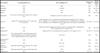
The prevalence of poor animal living conditions varied from 2057 to 100%.48 The number of animals kept did not seem related to health conditions, behavior, or welfare-related issues.49 Contagious diseases were more common in cases with > 30 animals.49 A lack of hygiene, inflammatory, infectious, or nutritional diseases, injuries, and behavioral problems, such as fearfulness, aggression, and even signs of cannibalism were found among the animals.47-49 Almost one-third of the animals were euthanized,47 the main reason for which was aggressive behavior.49 Animal carcasses were found in 68 to 60%10 of the properties. There was no relationship between dead animals and the age or sex of the hoarders.49
Associated psychiatric conditions
Associated psychiatric conditions were investigated in only three studies.46,54,55 Individuals who hoarded animals > 20 years seem to have a higher occurrence of bipolar disorder, obsessive-compulsive disorder, psychosis, and memory deficit.55
Outcomes
Twenty-six percent of affected individuals were placed under guardianship, institutional care, or some form of supervised living.10 Up to 25% underwent a court-ordered psychological assessment or mental health evaluation.5,10,52 Seventeen percent were ordered to maintain regular contact with mental health staff.48 Between 40 and 70% were charged with animal cruelty.5,49
Up to 60% of those with animal hoarding disorder were prohibited from owning animals.10,48 Thirty-six percent were under court-ordered monitoring.10,49 Half of the affected individuals had a history fines,5,49,58 and 41% had been jailed in the past5,10,58 due to animal deaths.5
DISCUSSION
The purpose of this systematic review was to evaluate animal hoarding, focusing on the profile of affected individuals and the characteristics of accumulation behavior. A total of 18 studies were included (538 affected individuals), the majority of which were of poor quality and had a significant risk of bias. In most studies, the population consisted of middle-aged, unmarried women who lived alone in urban areas in unsanitary conditions. The most frequently hoarded species were dogs and cats, which were acquired through unplanned breeding and lived in poor conditions.
Animal hoarding is a rare condition, with a prevalence of up to 3.71 cases per 100,000.50 The higher prevalence in Brazil may be related to the lack of public policies to manage dog and cat populations. In Brazil, animal adoption occurs independently or via non-governmental rescue networks. In the USA, animal shelters require adopters to be > 21 years of age and to provide sterilization and vaccination, a safe and appropriate environment, training, and pay an adoption fee. The incidence of animal hoarding may be underestimated in the general population, since most published cases were severe. People with milder cases of animal hoarding disorder could have been excluded from published studies due to their reserved nature, the lack of a definition of animal hoarding, and the limited resources of investigative organizations.27,28,47,48
Most cases of animal hoarding were of middle-aged women who lived alone.1,10,45 Men tended to hoard dogs,59 while women tended to hoard cats,60 suggesting sex differences in hoarding patterns.47 While women were overrepresented among hoarders, they were underrepresented with respect to animal cruelty, bestiality, and fighting.25 Our review showed that most affected individuals lived in urban areas, but one possible explanation might be selection bias, since data were generally provided by animal control agencies and humane societies.
The lack of interpersonal relationships among affected individuals might be related to a lack of social skills, and animals might provide them some "emotional comfort."46 A recent study found that hoarding symptoms were associated with an increased ability to feel and share emotions and decreased empathy.61 Social isolation among older adults is related to hoarding symptom severity.62 There is no consensus about whether social isolation is a cause or an effect of animal hoarding, or to what extent broadening these individuals' social networks might have reduced their need for animals.45 One additional problem is that a social support network may stimulate people with animal hoarding disorder to engage in non-governmental rescue networks or even create their own shelters, thus facilitating the acquisition of new animals, further aggravating the problem.27 Moreover, community residents may begin dropping off unwanted pets at the hoarder's residence, since it serves as a convenient shelter.63 However, it seems that the animals were acquired primarily through unplanned breeding, and public management could include sterilization49 and encourage the adoption of hoarded animals.64
Animal hoarding is also associated with neglect of the home environment. The extent of sanitation problems seems higher in animal hoarding than object hoarding.11 Squalor is characteristic of most animal hoarders' residences,11 including a high injury risk due to physical hazards, inadequate lighting, and structural damage.48
It should be mentioned that, compared with people who hoard objects, animal hoarders seem less likely to seek treatment.12 Evidence suggests that individual or group cognitive-behavioral therapy interventions following a specific hoarding disorder protocol is more effective than other types of psychotherapy or pharmacologic treatments.65,66 In fact, cognitive-behavioral therapy improved hoarding symptoms by 25%, although less than a third of patients experience clinically meaningful change.67
Animal hoarding may be a special complex manifestation of hoarding disorder12 or a different psychiatric disorder altogether.11,27,51 As demonstrated in this review, its sociodemographic, psychiatric, and clinical aspects are understudied. Animal hoarding behavior may also occur in other medical conditions or other psychiatric disorders and, thus, psychiatric assessment is essential to diagnosis. Studies involving laboratory tests, cognitive assessment, and brain imaging must be conducted to exclude other diagnoses, such as dementia.
As limitations of this review, data on comorbidities, medications, and global cognitive evaluation were unavailable. We could not find any study that evaluated treatment for animal hoarding, although we believe that interventions should involve humans, animals, and the environment.27 Communities should be informed about animal hoarding to facilitate the early detection of cases.28
Animal hoarding is a complex condition that requires urgent attention. Currently, its nosological status, underlying neurobiology, and best treatment approaches remain elusive. We suggest informing communities about animal hoarding to facilitate the early detection of cases, in addition to sterilization and strategies for adopting hoarded animals. People who hoard animals should undergo clinical and psychiatric evaluation. More research is necessary to develop effective prevention, intervention, and monitoring strategies to save community resources, improve animal and human welfare, and prevent recidivism. Further studies should include only individuals with primary animal hoarding disorder to better comprehend its clinical and psychiatric characteristics.
 PDF
 Print
 Send this article by email
 How to cite this article
 Submit a comment
 Mendeley
 Pocket
 Share on Facebook
 Share on Twitter