



ABSTRACT:
OBJECTIVE: To test the factor structure, reliability, and validity of the Brazilian version of
the Abbreviated Suicidal Narrative Inventory (SNI-38).
METHODS: We used an anonymous online questionnaire of the SNI-38 and self-report measures administered
between November 2020 and October 2021 in the Brazilian community. Participants were
recruited through social media advertisements. Confirmatory factor analysis (CFA)
was performed to test the factor structure of the SNI-38. In addition, we assessed
internal consistency and convergent validity against stressful life events, suicide
crisis syndrome, suicidal ideation, and suicide attempts.
RESULTS: A total of 2,660 participants were included. The eight-factor model of the SNI-38
had a good model fit (?2[637] = 7,473.98, p < 0.001, comparative fit index [CFI] = 0.99, Tucker-Lewis index [TLI]
= 0.99, root mean squared error of approximation [RMSEA] = 0.07, standardized root
mean residual [SRMR] = 0.06). Notably, all items were significantly and positively
loaded onto their respective factors (factor loadings = 0.45). The reliability of
all subscales except for goal disengagement ranged from good to high. Furthermore,
all subscales except goal disengagement showed positive correlations with variables
such as suicide crisis syndrome, stressful life events, lifetime/past month suicidal
ideation, and lifetime suicide attempts.
CONCLUSION: These findings provide preliminary support for the validity of the Brazilian version
of the SNI-38 as an appropriate, valid instrument for measuring suicidal narratives
in Brazilian individuals.
Keywords: Narrative-crisis model of suicide; suicidal narrative; suicide crisis syndrome; suicide.
| Received: June 30 2023; Accepted: September 21 2023 |
INTRODUCTION
Suicide is a serious public health problem worldwide. Over 700,000 people are estimated to die by suicide each year; for each suicide, more than 20 attempts occur.1 In Brazil, contrary to expectations, preliminary evidence shows that the overall suicide rates remained stable after the start of the COVID-19 pandemic.2,3 However, between 2000 and 2017, the national standardized rate increased by 75% and 85% for men and women, respectively.4 Furthermore, in 2019, more than 13,500 (6.9 per 100,000) people died by suicide in Brazil,5 which was the third highest mortality among men aged 15 to 34 years and the fourth among women aged 15 to 24 years.6 Unfortunately, these official data may be underestimated because of significant rates of underreporting and lack of notification, as well as by the lack of an adequate system for monitoring suicide deaths in Brazil.7,8
Despite research efforts and the introduction of many approaches to the treatment of suicidal behavior, suicide rates have not improved significantly for several decades.9,10 Therefore, there is an urgent need to improve methods for recognizing and mitigating suicide.11 Indeed, continued efforts are needed to develop and validate psychometric instruments to identify psychological processes that contribute to acute suicide risk.12,13
In particular, theoretical models that contribute to the understanding and prevention of suicidal behavior can lead to significant scientific and clinical advances. One such model is the narrative-crisis model of suicide,14 which provides a theoretical, conceptual framework for understanding the relationship between long- and short-term risk factors.15,16 Thus, this model postulates that suicidal crises arise from the dynamic interactions of four components: trait vulnerabilities (e.g., history, perfectionism, impulsivity, social support, hopelessness, fearlessness, and cultural acceptance), stressful life events, a suicidal narrative, and suicide crisis syndrome, culminating in imminent suicide risk.14,17-20
For context, Cohen et al.18 (p. 414) conceptualized the suicidal narrative as a "cognitive structure in which the representation of self about others becomes sufficiently distressing that suicide becomes a viable option." Its components are drawn from psychological constructs derived from Joiner's interpersonal-psychological theory of suicidal behavior (e.g., thwarted belongingness and perceived burdensomeness)21,22 and O'Connor's integrated motivational-volitional model of suicidal behavior (e.g., social defeat, humiliation, and failure to disengage from unattainable goals).23,24 When individuals with trait vulnerabilities to suicide experience stressors (i.e., stressful life events or social problems), they may become susceptible to the suicidal narrative.25,26 Then, when the suicidal narrative is activated, the individual loses a sense of self-worth and a perceived emotional connection to other people.18 This distorted self-image leads individuals to cling to unrealistic life goals and to feel humiliated and defeated. Concurrently, it leads to a perception of burdensomeness, not belonging to others, and having no future.16,18
The Suicidal Narrative Inventory (SNI) is a tool used to measure the intensity of suicidal thoughts.18 Recently, the SNI has been condensed to 38 items to make it more useful for clinical purposes (SNI-38). The SNI has been investigated in countries such as India27 and the USA18; however, there is limited research on the internal structure and validation of the SNI-38 across different cultures and languages. Furthermore, the SNI-38 has not yet been studied in a Brazilian population. A reliable SNI-38 could help identify people who are more likely to experience suicidal thoughts and behaviors, especially those who have transitioned to suicide crisis syndrome, which according to the narrative-crisis model of suicide, plays a more central role in triggering suicidal behavior.16,18
Therefore, this research aimed to test the psychometric properties of the Brazilian version of the SNI-38 in order to replicate and extend the findings to different populations and cultures. Specifically, we examined whether the previously proposed eight-factor model exhibited strong model fit, whether the items of the SNI-38 were internally consistent, and whether the scales exhibited convergent validity with other relevant risk factors and suicide-related outcomes in a Brazilian sample.
METHODS
Participants and procedure
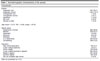
A sample of 2,265 Brazilian adults aged 18-70 years (mean = 31.27, SD = 10.90, of whom 70.7% were female) was recruited between November 2020 and October 2021 on social media platforms in five geographical regions of Brazil (North, Northeast, Midwest, Southeast, and South), representing a mix of communities from the 26 Brazilian states (see Table 1 for detailed results). Participants completed the study online using Qualtrics, a web interface that allows for secure remote data collection by distributing anonymous secure links to the protocol. Only participants who completed the entire study were included in the dataset and in all analyses. Prior to the start of the research, all survey batteries, including the Abbreviated SNI (SNI-38), the Revised Suicide Crisis Inventory-2 (SCI-2), and the Stressful Life Events Questionnaire (SLEQ), were translated and cross-culturally adapted from English into Portuguese as described below. All participants were fluent in Brazilian Portuguese and were able to understand and sign the informed consent form. The study excluded 81 nonadult individuals (i.e., children and adolescents).
| Characteristic | |
|---|---|
| Gender | |
| Cisgender man | 637 (28.1) |
| Cisgender woman | 1,601 (70.7) |
| Transgender man | 1 (0.0) |
| Transgender woman | 2 (0.1) |
| Nonbinary | 11 (0.5) |
| Not sure | 6 (0.3) |
| Decline to state | 7 (0.3) |
| Age (mean = 31.27, SD = 10.90, range = 18-70) | |
| Marital status | |
| Single/never married | 882 (38.9) |
| Married | 536 (23.7) |
| Separated | 18 (0.8) |
| Divorced | 59 (2.6) |
| Widowed | 8 (0.4) |
| In a relationship | 464 (20.5) |
| Cohabitating | 298 (13.2) |
| Education | |
| High school/equivalent | 106 (4.7) |
| 2-year college (diploma) | 16 (0.7) |
| Some college | 783 (34.6) |
| 4-year college (bachelor's degree) | 662 (29.2) |
| Master's degree | 467 (20.6) |
| Doctoral degree | 225 (9.9) |
| Did not complete high school | 6 (0.3) |
Data are presented as n (%).
Measures
Abbreviated Suicidal Narrative Inventory
By means of factor analysis, the abbreviated SNI-38 was derived from the original 132-item measure originally developed by Cohen et al.18 The SNI-38 is categorized into eight subscales: thwarted belongingness (five items), perceived burdensomeness (five items), fear of humiliation (five items), defeat (five items), goal disengagement (three items), goal reengagement (five items), entrapment (five items), and perfectionism (five items). Items on the scale are rated on a five-point Likert scale ranging from 1 (not at all true) to 5 (extremely true). The SNI-38 individual scores for each subcategory were calculated and independently tested to assess convergent validity with other relevant measures, as in recent cross-cultural factor analyses.27,28
Revised Suicide Crisis Inventory
The SCI-2 is the revised version of the original 61-item self-report SCI.29 The SCI-2 assesses the presence of symptoms of suicide crisis syndrome. Items are rated on a five-point Likert scale ranging from 0 (not at all true) to 4 (extremely true) in five subscales: entrapment (10 items), affective disorder (18 items), loss of cognitive control (15 items), hyperarousal (13 items), and social withdrawal (five items). In this study, the internal consistency of the SCI was high (alpha = 0.99), consistent with previous studies (alpha = 0.97).15,29 We used the SCI-2 total to assess convergent validity with the SNI-38.
Stressful Life Events Questionnaire
The SLEQ is a 22-item self-report questionnaire developed by Cohen et al.30 and adapted from several older scales.31-34 The questionnaire lists 22 proximal life events that may have occurred in the past 3 months or the past week (nonoverlapping). Ongoing or chronic stressors are not considered. The questionnaire consists of five categories of stressful life events: harm to a close person or pet (three items), a relationship stressor (five items), a threat to self (role or identity) (five items), a threat to self (personal safety) (eight items), and a threat to other (one item). Based on prior work, stressful life events that occurred in the past week and past 3 months were used to test convergent validity with the SNI-38.35,36
Columbia Suicide Severity Rating Scale (C-SSRS)
The C-SSRS is a semi-structured interview that measures the severity of suicidal phenomena.37 In the self-report screener version, the severity of suicidal ideation is measured on a scale of 0 to 5, ranging from thoughts of death, suicidal ideation, consideration of a method, suicidal intent, and suicidal ideation with a plan and intent to act on that plan. To assess the criterion validity of the SNI-38, we used the total suicidal ideation intensity and suicide attempt scores.
Process of cross-cultural adaptation
We used the guidelines proposed by Beaton et al.,38 which include the process of addressing language (translation) and cultural adaptation issues for using the SNI-38 in Brazil. Therefore, cross-cultural adaptation included translations, synthesis of initial translations, back-translation, review by an expert committee, and testing of the prefinal version. First, two forward translations (T1, T2) from English to Portuguese were performed by two bilingual translators with different profiles whose native language was Portuguese. Second, these two translators and a new observer synthesized the results of the translations (T1 and T2) and compared discrepancies. A consensus version (T1-2) was developed from this synthesis. Working from the T1-2 version and blinded to the original version of the SNI, a translator fluent in English back-translated the questionnaire into English. This step was performed to verify whether the translated version reflected the same item content as the original version. Next, an expert committee (clinicians, health professionals, methodologists, translators) consolidated the prefinal version of the SNI, emphasizing semantic, idiomatic, experiential, and conceptual (i.e., cross-cultural) equivalence over literal equivalence. For this step, the material available to the committee included the original versions, back-translated versions, and all translations used to achieve such equivalences. Finally, after the back-translation was approved by the original author, the translations were tested in a small pilot test to assess the acceptability and understandability of the translation. Further tests of the psychometric properties of the adapted questionnaire were conducted after the translation was completed.
Data analytic strategy
We first used the Kaiser-Meyer-Olkin (KMO) test for sampling adequacy and Bartlett's test of sphericity to determine the appropriateness of these data for factor analysis.39,40 Confirmatory factor analysis (CFA) was then conducted to test whether the proposed eight-factor model, in which items were set to load onto their respective subscales (i.e., thwarted belongingness, perceived burdensomeness, fear of humiliation, defeat, goal disengagement, goal reengagement, entrapment, and perfectionism) was replicated in a Brazilian sample. The items were ordinal, thus diagonally weighted least squares (WLSMV) estimation was used. The model fit was evaluated using the chi-square statistic (?2), comparative fit index (CFI), Tucker-Lewis index (TLI), root mean square error of approximation (RMSEA), and standardized root mean square residual (SRMR). Specifically, good model fit was indicated by a nonsignificant ?2 statistic, CFI = 0.95, TLI = 0.95, RMSEA = 0.08, and SRMR = 0.08.41,42
The measurement invariance of the SNI-38 was then tested across participant gender (i.e., cisgender men vs. cisgender women) through a series of iterative steps: configural invariance (i.e., a baseline model with no cross-group constraints), metric invariance (i.e., whether factor loadings for items are equivalent across groups), and scalar invariance (i.e., whether item thresholds/intercepts are equivalent across groups). We used recommended guidelines to examine model fit, as noted above. In addition, the Satorra-Bentler scaled ?2 difference test43 was used to assess measurement invariance models, although this test has been criticized for its sensitivity to sample size.44 Therefore, we also examined the change in CFI such that ?CFI = 0.01 was used to determine whether the null hypothesis of measurement invariance should be maintained.44 In cases of discrepancy between these two indices, we followed the expected variation in the CFI because of the sensitivity of the chi-square to sample size. When full measurement invariance was not supported, modification indices were used to guide efforts to establish partial measurement invariance.
Finally, bivariate correlations and linear/logistic regressions were calculated to test the convergent and criterion validity of the SNI-38 subscale scores with other relevant constructs. There were no missing data for any of the variables of interest in the study. All analyses were performed in R (version 4.2.1) using the lavaan (version 0.6-12),45semTools (version 0.5-6),46 and psych (version 2.2.5)47 packages.
Ethics statement
This study was approved by the human research ethics committee of Universidade do Extremo Sul Catarinense under registration number 4.275.326 (CAAE number 37216620.6.0000.0119).
RESULTS
Factor structure
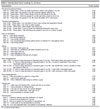
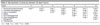
Both the KMO statistic (0.96) and Bartlett's test of sphericity (?2[703] = 65,936.66, p < 0.001) indicated that there were sufficient significant correlations in the data to be suitable for factor analysis. The eight-factor model of the SNI-38 had a good model fit (?2[637] = 7,473.98, p < 0.001, CFI = 0.99, TLI = 0.99, RMSEA = 0.07, SRMR = 0.06). The standardized factor loadings are presented in Table 2, while the covariances between factors are presented in Table 3. All items loaded significantly and positively onto their respective factors. Correlations between latent factors were all statistically significant, although they varied in effect size, ranging from small to very large. Overall, these correlations were consistent with our hypotheses. Because the thwarted belongingness and goal reengagement subscales consisted of exclusively reverse-coded items, we expected negative correlations between these latent factors and other suicidal narrative constructs. However, the goal disengagement factor showed inconsistent patterns of association with the other factors. Correlations with the goal disengagement factor were in the opposite direction (negative relationships with perceived burdensomeness, fear of humiliation, defeat, entrapment, and perfectionism, while positive relationships with the reverse-coded thwarted belongingness and goal reengagement factors) to what was expected.
| Subscale/item | Factor loading |
|---|---|
| Perceived burdensomeness | |
| Item 19 - These days, I think my death would be a relief to the people in my life | 0.93 |
| Item 24 - These days, the people in my life would be happier without me | 0.96 |
| Item 28 - These days, I think I make things worse for the people in my life | 0.93 |
| Item 36 - These days, I think the people in my life wish they could be rid of me | 0.92 |
| Item 38 - These days, the people in my life would be better off if I were gone | 0.94 |
| Thwarted belongingness | |
| Item 3 (R) - These days, I am fortunate to have many caring and supportive friends | 0.75 |
| Item 6 (R) - These days, I am close to other people | 0.82 |
| Item 16 (R) - These days, other people care about me | 0.74 |
| Item 23 (R) - These days, I have at least one satisfying interaction every day | 0.71 |
| Item 30 (R) - These days, I feel that there are people I can turn to in times of need | 0.84 |
| Fear of Humiliation | |
| Item 5 - I fear being ridiculed | 0.97 |
| Item 7 - I fear being laughed at | 0.88 |
| Item 12 - I fear being harassed | 0.56 |
| Item 21 - I am concerned about being called names or referred to in derogatory terms | 0.69 |
| Item 26 - I fear being bullied | 0.92 |
| Defeat | |
| Item 14 - I feel that I have given up | 0.91 |
| Item 15 - I feel that my confidence has been knocked out of me | 0.91 |
| Item 22 - I feel down and out | 0.89 |
| Item 31 - I feel defeated by life | 0.95 |
| Item 37 - I feel completely knocked out of action | 0.86 |
| Goal reengagement | |
| Item 1 (R) - If I have to stop pursuing an important goal in my life, I think about other new goals to pursue | 0.96 |
| Item 13 (R) - If I have to stop pursuing an important goal in my life, I convince myself that I have other meaningful goals to pursue | 0.87 |
| Item 20 (R) - If I have to stop pursuing an important goal in my life, I tell myself that I have a number of other new goals to draw on | 0.86 |
| Item 33 (R) - If I have to stop pursuing an important goal in my life, I seek other meaningful goals | 0.94 |
| Item 35 (R) - If I have to stop pursuing an important goal in my life, I start working on other new goals | 0.90 |
| Goal disengagement | |
| Item 9 - I stay committed to a goal for a long time | 0.79 |
| Item 27 - I can't let my goals go | 0.45 |
| Item 29 - I find it difficult to stop trying to achieve a goal | 0.67 |
| Entrapment | |
| Item 11 - I often have the feeling that I would just like to run away | 0.82 |
| Item 17 - I feel powerless to change things | 0.81 |
| Item 25 - I can see no way out of my current situation | 0.89 |
| Item 32 - I feel I'm in a deep hole I can't get out of | 0.95 |
| Item 34 - I feel powerless to change myself | 0.84 |
| Perfectionism | |
| Item 2 - I demand nothing less than perfection of myself | 0.90 |
| Item 4 - I strive to be as perfect as I can be | 0.63 |
| Item 8 - One of my goals is to be perfect in everything I do | 0.88 |
| Item 10 - I must work to my full potential at all times | 0.56 |
| Item 18 - It is very important that I am perfect in everything I attempt | 0.95 |
R = reverse scored items.
| Factor | 2 | 3 | 4 | 5 | 6 | 7 | 8 |
|---|---|---|---|---|---|---|---|
| 1. Perceived burdensomeness | -0.63*** | 0.55*** | 0.81*** | -0.58*** | -0.29*** | 0.81*** | 0.28*** |
| 2. Thwarted belongingness | - | -0.29*** | -0.59*** | 0.60*** | 0.48*** | -0.56*** | -0.05* |
| 3. Fear of humiliation | - | 0.70*** | -0.35*** | -0.11*** | -0.67*** | 0.37*** | |
| 4. Defeat | - | -0.62*** | -0.33*** | 0.97*** | 0.29*** | ||
| 5. Goal disengagement | - | 0.46*** | -0.61*** | -0.04* | |||
| 6. Goal reengagement | - | -0.28*** | 0.43*** | ||||
| 7. Entrapment | - | 0.33*** | |||||
| 8. Perfectionism | - |
* p < 0.05, ** p < 0.01, *** p < 0.001.
Reliability was good to high in all subscales except for goal disengagement, where internal consistency was questionable as follows: thwarted belongingness (alpha = 0.83), perceived burdensomeness (alpha = 0.93), fear of humiliation (alpha = 0.88), defeat (alpha = 0.93), goal reengagement (alpha = 0.93), goal disengagement (alpha = 0.62), entrapment (alpha = 0.90), and perfectionism (alpha = 0.87).
Measurement invariance across gender
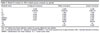
The baseline/configural model exhibited an adequate-to-good model fit (see Table 4 for detailed results), with comparable model fit among men (?2[637] = 1,915.35, p < 0.001, CFI = 0.93, TLI = 0.93, RMSEA = 0.06, SRMR = 0.07) to that among women (?2[637] = 3,323.29, p < 0.001, CFI = 0.94, TLI = 0.94, RMSEA = 0.05, SRMR = 0.06). After constraining factor loadings, differences in CFI values (0.001), but not the chi-square difference test (??2 = 69.66, degrees of freedom [df] = 30, p < 0.001), supported full metric invariance. Scalar invariance was then tested by constraining item thresholds: there was evidence of full scalar invariance based on changes in CFI, but not chi-square (??2 = 595.89, df = 30, p < 0.001, ?CFI = 0.009). Overall, full metric invariance and full scalar invariance were supported by the change in CFI across models. After establishing metric and scalar invariance, we then examined whether the latent means for the eight factors differed by gender. Women had significantly higher scores for fear of humiliation (B = -0.51, standard error [SE] = 0.06, p < 0.001), defeat (B = -0.15, SE = 0.05, p = 0.002), entrapment (B = -0.18, SE = 0.05, p < 0.001), and perfectionism (B = -0.17, SE = 0.05, p = 0.001), whereas male participants had significantly higher scores for thwarted belongingness (B = 0.13, SE = 0.05, p = 0.005) and goal reengagement (B = 0.12, SE = 0.05, p = 0.017). There were no differences across genders in perceived burdensomeness (B = -0.04, SE = 0.04, p = 0.327) or goal disengagement (B = 0.03, SE = 0.04, p = 0.505).
| Model/fit index | Configural invariance | Metric invariance | Scalar invariance |
|---|---|---|---|
| n | 2,238 | 2,238 | 2,238 |
| ?2 | 5,238.64 | 5,308.30 | 5,904.19 |
| df | 1,274 | 1,304 | 1,334 |
| CFI | 0.939 | 0.938 | 0.929 |
| TLI | 0.932 | 0.933 | 0.926 |
| RMSEA | 0.053 | 0.052 | 0.055 |
| SRMR | 0.061 | 0.063 | 0.067 |
| ??2 | 69.66 | 595.89 | |
| ?df | 30 | 30 | |
| ?CFI | 0.001 | 0.009 |
The ??2 reflects the Satorra-Bentler scaled chi-square difference test statistic.
CFI = comparative fit index; df = degrees of freedom; RMSEA = root mean squared error of approximation; SNI = Suicidal Narrative Inventory; SRMR = standardized root mean residual; TLI = Tucker-Lewis index.
Convergent validity and criterion validity
Descriptive statistics and internal consistencies of the SNI-38 subscales and bivariate correlations with all other relevant measures are presented in Table 5. As expected, there were significant positive correlations between all SNI-38 subscales (except for goal disengagement) and past-week and past-3-month stressful life events, lifetime and past-month suicidal ideation, and lifetime suicide attempts. However, goal disengagement had small and negative associations with these constructs.
| PB | TB | Hum | Defeat | GR | GD | Entrapment | Perfectionism | |
|---|---|---|---|---|---|---|---|---|
| SCI-2 | 0.60*** | 0.41*** | 0.53*** | 0.75*** | 0.44*** | -0.13*** | 0.77*** | 0.27*** |
| Past-week SLEs | 0.31*** | 0.18*** | 0.21*** | 0.33*** | 0.21*** | -0.04 | 0.33*** | 0.12*** |
| Past-3-month SLEs | 0.31*** | 0.20*** | 0.25*** | 0.36*** | 0.23*** | -0.06** | 0.36*** | 0.11*** |
| Lifetime SI | 0.49*** | 0.28*** | 0.32*** | 0.49*** | 0.32*** | -0.11*** | 0.50*** | 0.17*** |
| Past-month SI | 0.61*** | 0.35*** | 0.28*** | 0.54*** | 0.39*** | -0.14*** | 0.54*** | 0.14*** |
| Lifetime SA | 0.34*** | 0.18*** | 0.20*** | 0.29*** | 0.21*** | -0.08*** | 0.29*** | 0.14*** |
| Mean | 8.36 | 11.29 | 14.65 | 11.71 | 11.51 | 10.83 | 12.87 | 15.98 |
| SD | 4.65 | 4.27 | 5.81 | 5.82 | 5.11 | 2.53 | 5.68 | 4.95 |
| Range | 5-25 | 5-25 | 5-25 | 5-25 | 5-25 | 3-15 | 5-25 | 5-25 |
| Skewness | 1.61 | 0.67 | -0.02 | 0.55 | 0.69 | -0.45 | 0.35 | -0.12 |
| Kurtosis | 2.06 | 0.15 | -1.09 | -0.83 | -0.09 | 0.03 | -0.86 | -0.69 |
| a | 0.93 | 0.83 | 0.88 | 0.93 | 0.93 | 0.62 | 0.90 | 0.87 |
GD = goal disengagement; GR = goal reengagement; Hum = fear of humiliation; PB = perceived burdensomeness; SA = suicide attempt; SCI-2 = Suicide Crisis Inventory-2; SI = suicidal ideation; SLE = stressful life events; SNI = Suicidal Narrative Inventory; TB = thwarted belongingness.
* p < 0.05, ** p < 0.01, *** p < 0.001.
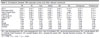
Finally, we conducted linear regression (suicidal ideation) and logistic regression (suicide attempts) analyses to determine which SNI-38 subscales were uniquely related to past-month suicidal ideation and lifetime suicide attempts. First, the model predicting past-month suicidal ideation explained 40.9% of the variance in suicidal ideation. Perceived burdensomeness (B = 0.12, SE = 0.01, p < 0.001), defeat (B = 0.02, SE = 0.01, p = 0.024), difficulties with goal reengagement (B = 0.02, SE = 0.01, p < 0.001), and entrapment (B = 0.04, SE = 0.01, p < 0.001) were uniquely and significantly positively related to suicidal ideation, whereas fear of humiliation (B = -0.01, SE = 0.005, p = 0.003) was negatively related to suicidal ideation. Thwarted belongingness (B = -0.005, SE = 0.01, p = 0.444), goal disengagement (B = 0.004, SE = 0.01, p = 0.697), and perfectionism (B = 0.002, SE = 0.005, p = 0.635) were not significantly associated with suicidal ideation. Second, the model predicting lifetime suicide attempts explained 20% (Nagelkerke R2) of the variance. Perceived burdensomeness (odds ratio [OR] = 1.10, p < 0.001) and perfectionism (OR = 1.05, p = 0.001) were significantly associated with increased odds of having made a lifetime suicide attempt. No other SNI-38 subscale scores were significantly different (ps = 0.072 to 0.844).
DISCUSSION
This study aimed to examine the factor structure, internal consistency, and convergent validity of the SNI-38 in a Brazilian sample. Our results showed that the eight-factor model of the SNI-38 had a good model fit. We found excellent internal consistency for the subscales; all items loaded significantly and positively onto their respective factors, except for goal disengagement, which showed low internal consistency and negative correlations with other constructs. Minimal differences in model fit indices were found when testing metric and scalar invariance across genders, indicating that the model is suitable for both genders. Women scored higher on fear of humiliation, defeat, entrapment, and perfectionism, while men scored higher on frustrated belongingness and goal reengagement. Moreover, the perceived burdensomeness, thwarted belongingness, fear of humiliation, defeat, goal reengagement, entrapment, and perfectionism factors were significantly correlated with the SCI-2, stressful life events (both in the past week/past 3 months), suicidal ideation (both lifetime and in the past month), and lifetime suicide attempts. Finally, the perceived burdensomeness and perfectionism subscales were demonstrated to be consistent predictors of lifetime suicide attempts. These findings provide preliminary support for the validity and potential utility of the SNI-38 in the Brazilian population.
In this study, we replicated the high internal consistency of the SNI-38 subscales for humiliation, thwarted belongingness, and social defeat as in a sample from the United States.18 In addition, entrapment, perfectionism, and perceived burdensomeness are also consistent with results from a study with Indian adults (SNI-38) that reported high internal consistencies for these constructs.27 In this study, the low internal consistency for goal disengagement was also similar to the findings of these previous studies.18,27 Furthermore, the goal disengagement factor also showed inconsistent patterns of association with the other SNI factors, and correlations in the opposite direction (with SCI-2 and suicidal ideation) from what would have been predicted. Previous findings indicate that the ability to disengage from unattainable goals is associated with positive outcomes such as better self-reported health and well-being.48 Cohen et al.18 suggested that the scales used in the goal orientation factor (which comprises the goal disengagement and goal reengagement subscales) did not appear to be sensitive to the construct of the suicidal narrative, although all items were drawn from previously validated measures. In part, we believe that the nonsignificant associations of goal disengagement with SCI-2 and suicidal ideation found in study are consistent with these issues.
In the present study, the perceived burdensomeness, thwarted belongingness, humiliation, defeat, goal reengagement, entrapment, and perfectionism subscales of the SNI-38 were significantly and positively correlated with stressful life events (past week/past 3 months). These results are consistent with previous literature linking important life events to suicide-related outcomes. Suicidal behavior is often preceded by stressful events, including family and romantic conflicts as well as financial and legal problems.10,49,50 Through the lens of the narrative crisis model of suicide, stressful life events may trigger the suicidal narrative in individuals with a trait vulnerability to suicide.16,30 Thus, stressful events appear to interact with psychiatric and psychological factors to increase the risk of suicide.
In addition, all subscales of the SNI-38 were consistently correlated with suicide-related outcomes (i.e., lifetime/past month suicidal ideation and lifetime suicide attempt) and suicide crisis syndrome symptoms, except for the goal disengagement subscale. These findings are consistent with those of previous studies. The subscales of the interpersonal factor (consisting of thwarted belongingness, perceived burdensomeness, humiliation, and social defeat) were significantly associated with SCI and with past month, lifetime, and past suicidal phenomena.18 In addition, a previous study showed that adult psychiatric inpatients who scored high on the interpersonal component of the suicidal narrative at intake were significantly more likely to develop symptoms of suicide crisis syndrome at discharge.16
We also found that the goal disengagement subscale had inconsistent correlations with the SCI-2, stressful life events, suicidal ideation, and suicide attempts. These results are consistent with previous findings. The goal orientation factor includes the individual's tendency to engage in constructive change despite obstacles. Previous studies have shown that the goal orientation factor assessed at admission did not significantly predict suicide crisis syndrome at discharge16 or correlate with suicidal phenomena.18 There are more benefits to disengaging from unattainable goals and focusing on other attainable goals. O'Connor et al.51 suggested that suicidal individuals disengage from unattainable goals but do not simultaneously engage in the pursuit of new goals. Herein, the goal disengagement subscale items may refer to the grit and perseverance required to remain engaged rather than to disengagement from unrealistic goals. Persistence and courage in remaining engaged in goals may be associated with resilience and the ability to face challenges and may act as protective factors against suicide, which might explain the inconsistent patterns of correlations found in our sample. In addition, the low reliability/internal consistency of the goal disengagement subscale might be suggested to contribute to its inconsistent correlations with the assessed constructs.
The potential theoretical and clinical implications of these findings are considerable. From a theoretical perspective, previous empirical evidence suggests that individuals with a trait vulnerability to suicide who experience stressful life events develop a suicidal narrative that leads to a significant path to suicidal phenomena.16,29 The suicide crisis syndrome is an acute presuicidal state characterized by affective dysregulation, loss of cognitive control, and hyperarousal.14 Cohen et al.18 proposed that the suicidal narrative alone is not sufficient to precipitate suicidal behavior; rather, the suicidal narrative provides negative cognitive content that increases the risk of short-term suicidal behavior by triggering suicide crisis syndrome. Overall, our findings showed that the psychometric properties of the Brazilian version of the SNI-38 are valid for assessing the construct of the suicidal narrative in Brazilian adults.
In terms of clinical implications, identification of individuals with activation of the suicidal narrative (which may indicate progression to the acute stage of suicide crisis syndrome) might facilitate targeted interventions to mitigate suicide risk. Hence, this identification would offer opportunities for clinical interventions aimed at promoting reintegration and emotional bonding. Moreover, cognitive interventions that challenge the rigidity of the narrative and other suicide-specific cognitive therapies, such as cognitive behavioral therapy for suicide, may be useful, as suggested by Cohen et al.29 Therefore, the validation of the SNI-38 in Brazil may contribute to research and clinical approaches for the treatment of suicidal behavior.
This study has some limitations. The main limitation is the cross-sectional and retrospective design, which does not allow to determine the direction of the relationship between suicidal narrative and suicide crisis syndrome or the temporality of the relationships with stressful life events and suicide-related outcomes. In addition, data collection took place during the COVID-19 pandemic. We do not know exactly how this situation might have affected the results, as individuals were, on average, experiencing exacerbations of stressors during this time. We used an online survey, and our assessments relied on self-reports. Although the research was open, participants were predominantly highly educated and self-selected. Future replication studies with diverse Brazilian samples are needed to establish the generalizability of these findings. Finally, the age range in our sample was 18-70 years, which raises concerns about whether the CFA model fit would remain the same when stratified by age. However, the median age was 28 years, which, combined with the positive skew and overall age distribution of our sample, suggests that relatively few older adults completed the study. Therefore, we decided not to perform measurement invariance analyses by age in this sample, but we recommend that future research evaluate the Brazilian version of the SNI-38 in older populations.
Our findings are similar to those of previous studies. The results showed that the eight-factor CFA of the SNI-38 obtained a good model fit and excellent internal consistency, and most of the subscales of the SNI-38 showed consistent convergent validity. In addition, these findings provide preliminary support that the eight-factor model of the SNI-38 is valid and can be used in research to assess the suicidal narrative construct in the Brazilian population.
ACKNOWLEDGEMENTS
The authors are grateful to all the participants and research assistants who were part of the data collection and entry process. The John S. Dunn Distinguished Professorship funds the Center for Interventional Psychiatry.
 PDF
 Print
 Send this article by email
 How to cite this article
 Submit a comment
 Mendeley
 Pocket
 Share on Facebook
 Share on Twitter



