



ABSTRACT:
OBJECTIVE: To investigate attention deficit and hyperactivity disorder (ADHD) symptoms and impulsivity
among individuals diagnosed with opioid use disorder (OUD) who also exhibit symptoms
of problematic internet use (PIU).
METHODS: The study involved the participation of 360 patients with OUD enrolled at an alcohol
and drug addiction treatment center (ADATC) from October to December 2022. Various
assessment tools were administered, including Young's Internet Addiction Scale (YIAS),
Beck Depression Inventory (BDI), Beck Anxiety Inventory (BAI), Barratt Impulsiveness
Scale (BIS), and Adult ADHD Self-Report Scale (ASRS). PIU was identified by YIAS scores
equal to or exceeding 50.
RESULTS: Most participants diagnosed with OUD had comorbid PIU, with high levels of depression,
anxiety, and ADHD symptoms. Both BDI and BAI scores were significantly increased in
the PIU group compared to the non-PIU group (p < 0.001). Significant differences were
observed in BIS Motor Impulsivity, Attentional Impulsivity, and total scores, indicating
higher impulsivity in the PIU group (all p < 0.001). Additionally, higher ASRS scores
were found in the PIU group (p < 0.001).
CONCLUSION: These findings highlight the importance of addressing PIU and comorbidities in OUD
treatment. Interventions targeting ADHD symptoms and emotional well-being may benefit
PIU management.
Keywords: Problematic internet use; attention deficit hyperactivity disorder; opioid use disorder; impulsivity.
| Received: February 09 2024; Accepted: April 01 2024 |
INTRODUCTION
The internet has made human life much easier in recent years, but excess internet use has a negative effect on the health and well-being of individuals, and thus poses a potential hazard.1 In the literature, different terms such as internet addiction, compulsive internet use, pathological internet use, and intensive internet use have been used to describe this situation,2,3 which still lacks a clear definition and which we will call problematic internet use (PIU) in our study.
Many studies have shown that PIU in the general population negatively affects the mental state of individuals.2 Due to the potential relationships between psychiatric disorders and addictive behaviors, PIU has also gained prominence in addiction psychiatry.4,5 In particular, previous studies have shown that young people with PIU have a significantly higher risk of abusing opiates (including prescription painkillers), sedatives, hallucinogens, and volatile substances, as well as engaging in overall substance abuse behaviors, than their peers without PIU.1 In addition, many risk factors for substance use among young people, such as gender, dropping out of school, impulsivity, depression and anxiety, having friends who use alcohol/substances, and using another drug, have also been associated with PIU,3 and PIU levels were found to be especially high in people with high levels of impulsivity, depression, anxiety, and attention deficit and hyperactivity disorder (ADHD).6-8 Although at least one study has stated that substance use disorder and PIU may share pathophysiological etiology, it seems more likely that other factors mediate the relationship between these two disorders; additional research is needed to clarify this.7 Opioid use constitutes the most common type of substance use disorder in which PIU is detected.9 However, the relationship between opioid use disorder (OUD) and PIU has received little interest to date.
Within this context, the primary goal of the present study was to compare individuals with both OUD and PIU to individuals with OUD alone. The foci of our research included a comparative analysis of ADHD symptoms, as well as an examination of impulsivity levels within these different groups.
METHODS
Sampling and design
The sample of this study consisted of 360 patients who voluntarily applied to the Alcohol and Drug Addiction Treatment Center (ADATC) clinic of Ankara Training and Research Hospital, Ankara, Turkey, between October 2022 and December 2022, were between the ages of 18-65, were diagnosed with OUD by a psychiatrist according to the DSM-5 diagnostic criteria, were literate, and had the mental and physical abilities to comply with the research protocol. Patients with intellectual disability and severe cognitive impairment, those with sequelae of neurological or organic diseases, and those who were found to be unable to perform the study tests due to hearing or vision impairment were excluded from the study. Before enrollment, patients received information about the study and written consent was obtained from those who agreed to participate. Once eligibility had been confirmed through a clinician's interview and written informed consent had been obtained, sociodemographic data forms were administered to the patients. They were also asked to complete self-report scales including the Young's Internet Addiction Scale (YIAS), Beck Depression Inventory (BDI), Beck Anxiety Inventory (BAI), Barratt Impulsiveness Scale (BIS), and Adult ADHD Self-Report Scale (ASRS). Patients who scored = 50 points on the YIAS were identified as having PIU.10-12 These scales are not routinely administered to ADATC patients; they were specific to the study.
Data collection tools
Sociodemographic data form
General sociodemographic information and clinical characteristics were obtained through a semi-structured questionnaire administered to the patients.
Young's Internet Addiction Scale
The YIAS was developed by Young (1998) to measure internet addiction12 and adapted into Turkish by Balta.10 It is a five-point Likert-style self-report scale. The participant is asked to score each item as rarely, occasionally, frequently, most of the time, or always; these options are assigned a score of 1, 2, 3, 4, and 5 points, respectively. Those with a total score of 80 and above are defined as "internet addicts," those who score between 51-79 are defined as "limited symptom showers," and those who score 50 and below are defined as having no symptoms.10-12
Beck Depression Inventory
The BDI was developed by Beck et al.13 in 1961 to measure behavioral findings of depression in adolescents and adults. It is scored as follows: 0-9 = minimal, 10-16 = mild, 17-29 = moderate, and 30-63 = severe. The Turkish validity and reliability study of the scale was conducted by Hisli.14
Beck Anxiety Inventory
The BAI was also developed by Beck et al.15 and adapted into Turkish by Ulusoy et al.16 There are 21 items in the scale and each item is scored from 0 to 3. The total ranges from 0 to 63 and yields the following classification of severity: 0-7 = minimal, 8-15 = mild, 16-25 = moderate, and 26-63 = severe.
Barratt Impulsiveness Scale
The BIS, which was developed by Barratt in 1959, has undergone many revisions over the past 50 years. The most recent form, the BIS-11, was developed in 1995.17 The Turkish validity and reliability study of the 15-item short form of the scale was conducted by Tamam et al.18
Adult ADHD Self-Report Scale
The ASRS was developed by the World Health Organization (WHO) for ADHD screening.19 The Turkish validity and reliability study was conducted by Dogan et al.20 The scale has two subscales: Attention Deficit and Hyperactivity/Impulsivity. As the score increases, so does the probability of ADHD.
Statistical analysis
Mean (SD) and median (minimum/maximum) values were given as descriptive statistics for continuous data, while percentages were given for discrete data. The Shapiro-Wilk test was used to examine whether the data were normally distributed. The Mann-Whitney U test was used to compare the continuous data and scale scores of those with and without PIU. Risk factors for PIU were analyzed by multivariate logistic regression analysis. The chi-square test was used to compare categorical variables between the groups with and without PIU. Analyses were performed in SPSS version 20, and statistical significance was accepted at p < 0.05.
Ethics statement
Ethical approval was obtained from the ethics committee of Abdurrahman Yurtaslan Ankara Oncology Training and Research Hospital on October 6, 2022, under approval number 2022-09/161.
RESULTS
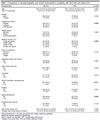
The mean age of all participants was 30.30±6.10 years. OUD diagnosis was found in 91.3% (n=329) of male and 8.7% (n=31) of female participants. The prevalence of PIU in the sample was 24.4%. In the comparison of sociodemographic and clinical characteristics of patients with OUD with and without PIU, the distributions of age, years of education, gender, social security, and marital status were homogeneous (p > 0.05) (Table 1).
| Characteristics | No PIU | PIU | p-value |
|---|---|---|---|
| Age┼ | 30.0 (19.0-51.0) (26.0-30.0) | 29.0 (18.0-51.0) (25.2-29.0) | 0.063 |
| Years of schooling┼ | 10.0 (1.0-7.0) (8.0-10.0) | 11.5.0 (3.0-16.0) (8.0-11.5) | 0.511 |
| Gender | |||
| Male | 253 (93.0) | 76 (86.4) | 0.053 |
| Female | 19 (7.0) | 12 (13.6) | |
| Employment status | |||
| Regular | 146 (54.1) | 33 (37.9) | 0.026 |
| Irregular | 52 (19.2) | 20 (22.9) | |
| Unemployed | 72 (26.7) | 34 (39.2) | |
| Marital status | |||
| Married | 73 (27.0) | 20 (23.3) | 0.590 |
| Single | 169 (62.5) | 59 (68.6) | |
| Divorced/widowed | 28 (10.5) | 7 (8.1) | |
| Monthly income (TL) | |||
| 2,000 and below | 54 (22.9) | 29 (37.2) | 0.035 |
| 2,000-5,000 | 107 (45.3) | 35 (44.9) | |
| 5,000-10,000 | 61 (25.8) | 12 (15.4) | |
| 10,000 and above | 14 (5.9) | 2 (2.6) | |
| Place of residence | |||
| Province | 139 (51.1) | 54 (61.4) | 0.118 |
| District | 120 (44.1) | 28 (31.8) | |
| Village | 13 (4.8) | 6 (6.8) | |
| Substance other than heroin | |||
| No | 178 (65.4) | 48 (54.5) | 0.066 |
| Yes | 94 (34.6) | 40 (45.5) | |
| Bali (contact cement) | |||
| No | 267 (98.2) | 84 (95.5) | 0.230 |
| Yes | 5 (1.8) | 4 (4.5) | |
| Cannabis | |||
| No | 211 (77.6) | 66 (75.0) | 0.618 |
| Yes | 61 (22.4) | 22 (25.0) | |
| Bonzai (synthetic cannabinoids) | |||
| No | 261 (96.0) | 78 (88.6) | 0.011 |
| Yes | 11 (4.0) | 10 (11.4) | |
| Ecstasy | |||
| No | 248 (91.2) | 81 (92.0) | 0.801 |
| Yes | 24 (8.8) | 7 (8.0) | |
| Methamphetamine | |||
| No | 230 (84.6) | 62 (70.5) | 0.003 |
| Yes | 42 (15.4) | 26 (29.5) | |
| Cocaine/crack cocaine | |||
| No | 245 (90.1) | 74 (84.1) | 0.125 |
| Yes | 27 (9.9) | 14 (15.9) | |
| Age at first heroin use | 20.0 (10.0-45.0) (17.0-24.0) | 20.0 (11.0-41.0) (15.5-30.5) | 0.295 |
| Longest heroin-free period (months) | 12.0 (0.0-120.0) (6.0-22.0) | 12.0 (1.0-144.0) (4.5-18.0) | 0.752 |
Data presented as n (%) and chi-square test, unless otherwise specified.
Bold type denotes statistical significance.
OUD = opioid use disorder; PIU = problematic internet use.
┼ Median (min-max) (25%-75%) and Mann-Whitney U test.
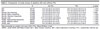
BDI scores exhibited a significant difference between the group without PIU (mean: 19, range: 0-62, interquartile range: 9-32) and the PIU group (mean: 33, range: 0-63, interquartile range: 20-41) (p < 0.001). BAI scores also demonstrated a substantial difference between the group without PIU (mean: 14.5, range: 0-63, interquartile range: 5-25.2) and the PIU group (mean: 27, range: 0-63, interquartile range: 20-39.7) (p < 0.001). However, no significant differences were found in Barratt Non-Planning scores (p = 0.995). Barratt Motor Impulsivity, Attention Impulsivity, and total scores all exhibited significant differences between the group without PIU and the PIU group (all p < 0.001). Similarly, ASRS Hyperactivity/Impulsivity, Attention Deficit, and total scores differed significantly between the two groups (all p < 0.001) (Table 2).
| N | No PIU | PIU | p-value | |
|---|---|---|---|---|
| BDI | 267/87 | 19.0 (0.0-62.0) (9.0-32.0) | 33.0 (0.0-63.0) (20.0-41.0) | < 0.001 |
| BAI | 270/84 | 14.5 (0.0-63.0) (5.0-25.2) | 27.0 (0.0-63.0) (20.0-39.7) | < 0.001 |
| Barratt, Non-Planning | 272/88 | 13.0 (5.0-20.0) (9.0-15.0) | 13.0 (5.0-20.0) (11.0-15.0) | 0.995 |
| Barratt, Motor Impulsivity | 272/88 | 9.0 (5.0-20.0) (7.0-11.0) | 11.0 (5.0-20.0) (9.2-14.0) | < 0.001 |
| Barratt, Attention Impulsivity | 272/88 | 9.0 (5.0-20.0) (7.0-10.0) | 11.0 (5.0-20.0) (9.0-14.0) | < 0.001 |
| Barratt, total | 272/88 | 31.0 (15.0-55.0) (25.0-35.0) | 35.0 (19.0-54.0) (31.0-41.0) | < 0.001 |
| ASRS, Hyperactivity/Impulsivity | 263/87 | 8.0 (0.0-36.0) (4.0-13.0) | 15.0 (0.0-33.0) (10.0-19.0) | < 0.001 |
| ASRS, Attention Deficit | 265/87 | 8.0 (0.0-36.0) (4.0-14.0) | 16.0 (0.0-36.0) (11.0-21.0) | < 0.001 |
| ASRS, total | 263/87 | 16.0 (0.0-68.0) (8.0-26.0) | 31.0 (0.0-66.0) (22.0-38.0) | < 0.001 |
Data presented as median (min-max) (25%-75%), Mann-Whitney U test.
ASRS = Adult ADHD Self-Report Scale; BAI = Beck Anxiety Inventory; BDI = Beck Depression Inventory; PIU = problematic internet use.
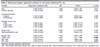
Correlation analysis of variables between patients with OUD with and without PIU identified statistically significant differences. These variables were then subjected to multivariate logistic regression analysis.
Following the multivariate logistic regression analysis created with the variables affecting PIU, ASRS total score and BAI total score were found to be significant factors. An increase of 1 point in the ASRS total score was associated with a 1.037-fold (3.7%) increase in PIU, while an increase of 1 point in the BAI total score was associated with a 1.032-fold (3.2%) increase in PIU (p < 0.05) (Table 3).
| Variable | Regression coefficient (SE) | OR | 95%CI | p-value |
|---|---|---|---|---|
| Age | 0.006 (0.027) | 1.006 | 0.955-1.061 | 0.812 |
| Gender (female) | 0.444 (0.559) | 1.558 | 0.521-4.465 | 0.428 |
| Employment status | ||||
| Irregular | 0.313 (0.453) | 1.359 | 0.563-3.321 | 0.489 |
| Unemployed | 0.436 (0.483) | 1.547 | 0.600-3.988 | 0.367 |
| Monthly income (TL) | ||||
| 2,000 | 0.695 (0.921) | 2.004 | 0.330-12.176 | 0.450 |
| 2,000-5,000 | 0.965 (0.883) | 2.625 | 0.465-14.820 | 0.274 |
| 5,000-10,000 | 0.785 (0.928) | 2.193 | 0.356-13.515 | 0.397 |
| Bonzai use | 0.932 (0.645) | 2.539 | 0.717-8.984 | 0.148 |
| Methamphetamine use | -0.034 (0.404) | 1.035 | 0.468-2.134 | 0.933 |
| Barratt, total | 0.005 (0.027) | 1.005 | 0.954-1.059 | 0.841 |
| ASRS, total | 0.036 (0.013) | 1.037 | 1.011-1.064 | 0.006 |
| BDI, total | 0.013 (0.014) | 1.013 | 0.989-1.041 | 0.349 |
| BAI, total | 0.030 (0.013) | 1.032 | 1.005-0.059 | 0.024 |
Bold type denotes statistical significance.
SR = Adult ADHD Self-Report Scale; BAI = Beck Anxiety Inventory; BDI = Beck Depression Inventory; OR = odds ratio; SE = standard error.
DISCUSSION
This study fills a critical gap in the literature by investigating a previously unexplored topic to understand factors related to PIU in individuals diagnosed with OUD. In our sample, levels of depression, anxiety, impulsivity, and ADHD were significantly higher in patients with OUD and comorbid PIU compared to patients with OUD without PIU. Psychiatric disorders such as impulsivity6 and ADHD21,22 are reported to frequently accompany anxiety disorders, depression, and bipolar disorder.23-26 However, a high prevalence of PIU has also been found in people with high levels of impulsivity, depression, anxiety, and ADHD.6-8 It has been previously reported that the frequency of PIU is high in people with substance use disorders and that this condition is associated with impaired functioning, socioeconomic decline, comorbid psychiatric disorders, and substance use itself.27-29 When PIU co-occurs with substance use disorder, it leads to an increase in anxiety, depression, and impulsivity symptoms, with negative clinical and social consequences in this generally young population.30-32 Although ADHD is a disorder with a neurodevelopmental basis and its etiology has not yet been explained, there is evidence of similarities with the etiopathogenesis of internet addiction.33 For example, playing video games online has been associated with an increase in striatal dopaminergic activity. This may lead to the maintenance of selective attention on the internet by activating the reward mechanism in people with ADHD.33 Reward sensitivity is high in ADHD and these individuals prefer shorter-term rewards.34 Internet activities that can offer instant and short-term rewards, such as interactive games, thus become especially attractive for individuals with ADHD. People with ADHD also have self-control and inhibition deficits, which may prevent these individuals from controlling their internet use and stopping it at the appropriate time.8
Multiple neurotransmitter systems (serotonin, dopamine, noradrenaline, opioid) are common in the pathophysiology of both PUI and ADHD.35 The fact that a similar biological substrate affecting attention and impulsivity is implicated in addiction-related disorders may explain this situation. In addition, anxiety and depression symptoms associated with mood disorders are frequently observed in patients with OUD. PIU comorbid with OUD has been associated with increased depressive symptoms.1,4 In our study, the presence of PIU in patients with OUD was found to be associated with increased depression, anxiety, and other symptoms. Nevertheless, individuals displaying symptoms of both ADHD and depression may exhibit elevated levels of impulsivity even in the absence of PIU. Moreover, individuals with ADHD may experience heightened anxiety levels. These findings suggest that impulsivity, depression, and anxiety can be interconnected in individuals with comorbid ADHD symptoms, highlighting the complexity of the relationship between these variables. Further research is warranted to better understand the nuanced interactions and implications of these co-occurring conditions. In the multivariate logistic regression analysis performed to control for these confounding factors for our study, we found that ADHD symptoms and anxiety levels were significantly higher in individuals with OUD and PIU compared to those without PIU. In the literature, high levels of depression symptoms were found in those with PIU accompanying OUD.4 In our study, the effect of depression symptoms was not found to be significant on regression analysis; both groups - with and without PIU - had depressive symptoms. We concluded that depression symptoms in OUD are not a determinant feature of PIU. All opioid users in our study had depressive symptoms, and this was not associated with PIU.
Regarding anxiety, our findings were different. It has been previously reported that anxiety is high in OUD and that the presence of PIU is associated with high anxiety.1,36 According to our findings, the anxiety level of opioid users with PIU was higher than that of opioid users without PIU. One potential reason is that opioid users may use the internet excessively as a means of relieving their high anxiety levels.32 Preferring an individual, mental activity away from social relations may be an avoidance behavior, and keeping one's mind occupied may distract from the unpleasant feelings caused by anxiety. This suggests that PIU in high anxiety may occur either as a means of self-treatment or as a symptom of the disease itself (avoidance or safety behavior).
Our research shows that the presence of PIU in opioid users is associated with higher levels of anxiety. Opioid users often resort to opioids to cope with pain or other difficulties, and this may lead to a tendency to use the internet as a source of escape or relief.32,37 However, excess use of the internet may encourage escape from real-world problems, which may contribute to increased anxiety levels.38
Impulsivity, which is a marker of ADHD, is another symptom found to be highly prevalent in the presence of PIU. It is challenging to discern whether the impulsivity observed in individuals with PIU and ADHD is inherently ingrained or a consequence of external factors. Since ADHD is a neurodevelopmental disorder, symptoms are present from an early age. Accordingly, persons with a high level of ADHD symptoms are vulnerable to biological addiction.39 At the same time, the incidence of PIU is higher in those with ADHD symptoms. Studies have shown an increase in the presence of ADHD symptoms in persons with behavioral addictions.40,41
We found that individuals with OUD and PIU had more ADHD symptoms. The ADHD symptoms we detected with the scale used in our study have more acquisitional characteristics. According to our results, the likelihood of PIU increased in opioid users with high levels of ADHD symptoms. This may predict a poor prognosis when both ADHD symptoms and PIU are present in patients with OUD.
Our findings address an important situation in which symptoms that are often overlooked by clinical observers but associated with ADHD, especially in adulthood, may co-occur with addiction and other comorbid disorders. This suggests individuals diagnosed with OUD should be subjected to a detailed evaluation for comorbid conditions such as ADHD and PIU. In particular, even if there are no concrete manifestations of ADHD, these individuals should be actively questioned for ADHD symptoms so the necessary medical and/or psychotherapeutic interventions can be implemented.
Such interventions can positively affect both ADHD symptoms and the course of OUD, while reducing the risk of PIU. In addition, it is thought that, in individuals with OUD and PIU, the effect of this comorbidity may increase symptoms of attention deficit and impulsivity by affecting cognitive areas. However, the differential diagnosis of such a neurodevelopmental disorder is a very complex process.
This study examined in detail the psychopathological characteristics associated with PIU in patients with OUD. This is an important step towards better understanding the relationship between OUD and PIU. It also expands the current literature by demonstrating that attention deficit, hyperactivity, and impulsivity symptoms are increased in individuals with OUD exhibiting PIU. This points to a need for new therapeutic approaches focusing on strategies to cope with attention deficit and impulsivity in individuals receiving treatment for OUD.
The literature suggests that PIU in patients with OUD is associated with psychiatric comorbidities such as depression, anxiety, and ADHD. This provides important information that can guide clinicians in assessing and managing patients' psychiatric conditions during OUD treatment.
This study has several limitations. It was conducted in a small sample limited to a single clinic in Ankara, Turkey. The study design was cross-sectional, precluding any analysis of causality or investigation of comorbid conditions such as long-term OUD and PIU. Our data are based on self-report scales, which may lead to response biases. Finally, we did not investigate other confounding factors or comorbid conditions other than the aforementioned depression, anxiety, and ADHD.
In conclusion, our findings suggest that PIU is widespread among individuals diagnosed with OUD. In our sample, individuals in the PIU group exhibited high levels of depression and anxiety, as well as observable ADHD symptoms. This demonstrates the importance of addressing both PIU and its comorbidities in individuals undergoing treatment for OUD and suggests that interventions targeting ADHD symptoms and specific domains of depression and anxiety may be useful in effectively managing PIU.
 PDF
 Print
 Send this article by email
 How to cite this article
 Submit a comment
 Mendeley
 Pocket
 Share on Facebook
 Share on Twitter



