



ABSTRACT:
OBJECTIVE: To assess longitudinal patterns of anxiety, depression, and posttraumatic stress symptoms,
as well as their predictors, among workers at a referral hospital during the first
two waves of the coronavirus disease 2019 (COVID-19) pandemic in Brazil.
METHODS: Data were collected between July 2020 and June 2021 (n=1,078). Anxiety, depression,
and posttraumatic stress symptoms were assessed using three self-report scales: the
Generalized Anxiety Disorder-7 (GAD-7), Patient Health Questionnaire-9 (PHQ-9), and
Impact of Event Scale-Revised (IES-R). Predictor analysis included COVID-19-related
events, fear of COVID-19, and institutional support. Statistical analysis involved
linear mixed models (LMM) and local polynomial regressions.
RESULTS: Anxiety and depression trended towards increased reactivity, while posttraumatic stress
presented a downward trend over follow-up, with less fluctuation. Predictor analysis
showed that higher levels of institutional support were associated with a reduced
risk of all adverse mental health outcomes; conversely, greater fear of COVID-19 was
positively associated with all such outcomes.
CONCLUSION: Our findings underscore the importance of allocating enhanced attention and resources
to effectively addressing personal health challenges among the health workforce, emphasizing
the significance of organizational support and continuous monitoring of emotional
distress.
Keywords: Mental health; cohort study; health personnel; COVID-19 pandemic.
FIGURES
| Note: How to cite this article: Carvalho-Alves MO, Petrilli-Mazon VA, Zuccolo PF, Fatori D, Rocha FMM, Brunoni AR, et al. Trajectories of anxiety, depression, and posttraumatic stress among healthcare workers during the COVID-19 pandemic: one-year monthly follow-up. Braz J Psychiatry. 2025;47:e20243720. http://doi.org/10.47626/1516-4446-2024-3720 |
| Received: May 08 2024; Accepted: August 24 2024 |
INTRODUCTION
The coronavirus disease 2019 (COVID-19) pandemic strained global resources, particularly during the first and second waves, when there were surges in cases and mortality. Cross-sectional studies conducted to assess the deterioration of mental health among healthcare workers (HCWs) in this context have reported increased levels of anxiety, depression, stress, insomnia, and burnout.1-3 The emotional distress experienced by HCWs during the pandemic may be linked to heightened risk perception.4 Safety training and psychological support programs, especially for those in high-risk sectors and densely populated areas, could strengthen national efforts to manage the pandemic.4 To illustrate the impact in our region, the state of São Paulo - the most populous state in Brazil - was severely affected by the pandemic, with approximately 123,663 cases and 5,690 deaths reported weekly during the second wave.5
Many longitudinal assessments of common psychological symptoms among HCWs in different regions of the world have been conducted.6-8 These assessments have included the evaluation of sleep problems9 and suicidal ideation and behavior.10 Female gender, younger age, employment as nursing staff, frontline work, and concerns about workload and infection risk were found to be associated with an elevated risk of psychological distress.6,11,12 Conversely, a supportive environment, including social and workplace support, has been identified as a protective factor.6,10,13 In a comprehensive analysis, Rosenström et al.14 identified that the local incidence of COVID-19, direct care for patients with COVID-19, and stressors related to COVID-19 were independently associated with psychological distress among HCWs in Finland. However, most of these studies included few time points of assessment or evaluated only the initial stages of the pandemic, which limits our understanding of how its various phases and waves have influenced psychological distress.6
Furthermore, the existing literature has yielded conflicting or inconclusive results.6 For instance, Rossi et al.15 observed a decrease in the prevalence rates of anxiety, depression, insomnia, and posttraumatic symptoms among 2,856 Italian HCWs between April 2020 and May 2021 in a two-point analysis. In contrast, Lasalvia et al.12 reported an increase in anxiety, depression, burnout, and insomnia, as well as a decrease in traumatic stress, after assessing a sample of 1,033 Italian HCWs between April and May 2020 and April and May 2021. In the Brazilian context, de Lima et al.16 found an increase in anxiety and burnout symptoms, especially emotional exhaustion and depersonalization, in a sample of 916 HCWs from different regions of Brazil assessed between May 2020 and August 2021. However, no statistically significant differences were found for depression and posttraumatic stress. In a distinct study, Serpa et al.11 evaluated a large sample (10,490 Brazilian HCWs from diverse regions) at two distinct time points: May to June 2020 and December 2020 to February 2021. Their findings suggested a notable surge in stress perception between the first two waves of the pandemic. In light of these conflicting or inconclusive findings, there is a clear need for further longitudinal investigation.
A monthly assessment that tracks the trajectory of mental health symptoms would better capture the impact of rapidly deteriorating pandemic situations that occur within a timeframe of weeks or months, as well as changes in social and public health aspects, such as the start and end of lockdowns and vaccination campaigns.14 In addition to insights directly related to the COVID-19 pandemic, longitudinal analysis could enhance our understanding of how common emotional manifestations such as anxiety, depression, and posttraumatic stress symptoms develop in response to contextual stressors. This would involve examining both similarities and differences in symptom trajectories within the same demographic cohort.
The primary objective of the present study was to conduct a comprehensive monthly analysis of the trajectories of anxiety, depression, and posttraumatic stress symptoms among HCWs in a designated COVID-19 referral hospital over a 1-year period encompassing the first two waves of the pandemic in Brazil. This hospital represented one of the main epicenters of the pandemic in a low- and middle-income country (LMIC). We hypothesized that fluctuations in anxiety, depression, and posttraumatic stress levels would occur. Specifically, we anticipated a decrease in levels of common psychological symptoms between waves, followed by an increase due to the exacerbation of the pandemic, with intense variability. Our secondary objective was to identify predictors associated with these psychological symptoms by examining the influence of sociodemographic characteristics, COVID-19-related stressors, institutional support, and personal motivation. Our hypothesis posits that all COVID-19-related stressors would increase the likelihood of experiencing emotional distress, while institutional support and personal motivation would act as protective factors.
METHODS
Study design
This study utilized a non-probabilistic sample of HCWs from the largest hospital in South America, with a workforce of 22,056 professionals. During the peak of the pandemic, this facility was designated as a referral hospital for COVID-19 and was extensively reorganized so that its main building could accommodate at least 900 beds exclusively for COVID-19 patients. An online survey was used to collect longitudinal data between July 1, 2020, and June 30, 2021. As of July 1, 2020, the state of São Paulo had reported 289,935 confirmed COVID-19 cases and 15,030 deaths. By June 30, 2021, the state had reported 3,727,348 cases and 127,681 deaths.5 Curves of cases and deaths in São Paulo over the study period are available as Supplementary Figure S1.
Assessments and variables
Anxiety
The Generalized Anxiety Disorder-7 (GAD-7) instrument was used to screen and assess the severity of anxiety symptoms in the previous 2 weeks, based on DSM-IV criteria.17 The GAD-7 is a seven-item self-report scale with a total score ranging from 0 to 21. The sensitivity and specificity of the cutoff point = 10 compared to a diagnosis of generalized anxiety disorder17 are 89 and 82%, respectively (Cronbach's alpha coefficient = 0.92).
Depression
The Patient Health Questionnaire-9 (PHQ-9)18 was used to screen and rate the severity of depressive symptoms in the previous 2 weeks, based on the fourth edition of the DSM-IV. The PHQ-9 is a nine-item self-report scale with a total score ranging from 0 to 27. A cutoff point of = 10 has a sensitivity and specificity of 88% compared to a diagnosis of major depressive disorder18 (a = 0.90).
Posttraumatic stress
We used the Impact of Event Scale-Revised (IES-R) to assess the severity of distress symptoms experienced in the past 7 days, based on the DSM-IV criteria for posttraumatic stress disorder (PTSD).19 The IES-R is a 22-item self-report scale with total scores ranging from 0 to 88. A cutoff score of = 27 has a sensitivity of 91% and a specificity of 72% for the diagnosis of PTSD19 (a = 0.96).
Predictors
Regarding potential predictors, we relied on our previous work1 and selected the following groups of variables: sociodemographic characteristics (age, gender, marital status, occupation, educational level, and previous psychiatric or psychological treatment), COVID-19-related threatening events (direct contact with COVID-19 patients, having a confirmed COVID-19 diagnosis, having a close family member or friend hospitalized or dying due to COVID-19, and having experienced an ethical conflict during COVID-19 patient care), personal motivation, institutional support, and fear of COVID-19.
Institutional support and personal motivation were assessed based on previous studies20,21 using nine and seven questions, respectively, on a five-point Likert scale. Cumulative scores were calculated for statistical analysis, resulting in total scores labeled "institutional support" and "personal motivation" (both a = 0.85, indicating appropriate internal consistency; for more details, see Supplementary Box 1).
We developed three questions based on a previous outbreak study21 using a five-point Likert scale. We calculated the cumulative score for statistical analysis, resulting in a total score labeled "current fear of COVID-19" (a = 0.91, indicating adequate internal consistency; for more details, see Supplementary Box 1).
Participants
To participate in the data collection, individuals had to be presently working at the hospital, either on-site or remotely. The study included a diverse sample of the healthcare workforce: physicians, nurses, dentists, speech therapists, psychologists, occupational therapists, dieticians, physical therapists, social workers, pharmacists, clinical laboratory technicians, radiological technologists, and administrative staff. Recruitment efforts were conducted in a variety of settings, including emergency rooms, inpatient wards, intensive care units, outpatient clinics, operating rooms, pharmacies, and laboratories. As an exclusion criterion, all employees had to be adults who could complete an online questionnaire. While language fluency was not a concern, limited internet access via a computer or mobile device could have presented a challenge for participation.
Study protocol
Respondents took approximately 15 minutes to complete the entire initial survey. For analysis, we included participants who responded to their first survey at any assessment during the study period (July 2020 to June 2021). Follow-up surveys took an average of 10 minutes to complete. Between July 2020 and September 2020, we had two versions of the follow-up questionnaire. The short version, which included the GAD-7 and PHQ-9 as well as the predictors, was sent every 15 days. The full version, which was sent monthly, also included the IES-R. From October 2020 until the end of follow-up, only the full version was sent to participants, once monthly. As a result, some participants had multiple responses at certain time points (with each month considered a single time point in our study). To account for this in our longitudinal analysis, for numeric variables, we calculated the mean of participants' responses if they had one or more responses in a given month. For dichotomous categorical factors (yes or no), we considered a positive response (yes) for the month. Data collection and storage were conducted using the REDCap platform (https://www.project-redcap.org/), which automatically sent survey links to participants via email. If a participant did not complete the survey, REDCap sent additional reminder emails for the following 2 days; after this period, no further reminders were sent, but the link remained active, allowing participants to respond to the survey at any time before the next round. Respondents who did not complete the survey in previous rounds were not removed. Supplementary Table S1 provides a summary of the study protocol. Supplementary Table S2 provides additional details on the number of participants at each time point, based on complete responses for all variables of interest.
Statistical analysis
All analyses were conducted using R software, version 4.3.3 (https://www.r-project.org/). Baseline data were presented as percentages (%) for categorical variables and medians with interquartile ranges (IQRs) for non-normally-distributed continuous variables, as determined by the Shapiro-Wilk test (p < 0.05). The significance level for two-tailed tests was set at a = 0.05, and parameters were presented with 99.5% CIs. As a descriptive analysis, we compared the characteristics of participants who responded to only one assessment versus those who responded to more than one questionnaire. We used chi-square tests for categorical variables and t-tests for continuous variables to calculate effect sizes, employing Cramer's V for chi-square tests and Cohen's d for t-tests (Table 1).
| Characteristics | One time point (n=302) | Two or more time points (n=776) | ES | Total sample (n=1,078) |
|---|---|---|---|---|
| Age | 35.5 (29.2-42.7) | 40.2 (32.9-48.2) | 0.36* | 39.1 (31.6-46.9) |
| Gender | 0.02 | |||
| Male | 47 (15.6) | 124 (16.0) | 171 (15.9) | |
| Female | 254 (84.1) | 651 (83.9) | 905 (84.0) | |
| No answer | 1 (0.01) | 1 (0.01) | 2 (0.1) | |
| Marital status | 0.03 | |||
| Unmarried | 136 (45.0) | 323 (41.6) | 459 (42.6) | |
| Married | 166 (55.0) | 453 (58.4) | 619 (57.4) | |
| Educational level | 0.06 | |||
| < University graduate | 98 (32.5) | 204 (26.3) | 302 (28.0) | |
| = University graduate | 204 (67.5) | 572 (73.7) | 776 (72.0) | |
| Occupation | 0.06 | |||
| Physician | 32 (10.6) | 115 (14.8) | 147 (13.6) | |
| Nurse or nursing assistant | 116 (38.4) | 263 (33.9) | 379 (35.2) | |
| Other healthcare professionals┼ | 78 (25.8) | 192 (24.7) | 270 (25.0) | |
| Administrative staff | 76 (25.2) | 206 (26.5) | 282 (26.2) | |
| Work sector | 0.16* | |||
| Emergency department | 22 (7.3) | 41 (5.3) | 63 (5.8) | |
| Inpatient ward | 60 (19.9) | 125 (16.1) | 185 (17.2) | |
| Intensive care unit | 63 (20.9) | 102 (13.1) | 165 (15.3) | |
| Outpatient clinic | 30 (9.9) | 109 (14.0) | 139 (12.9) | |
| Operating room | 6 (2.0) | 45 (5.8) | 51 (4.7) | |
| Pharmacy | 10 (3.3) | 27 (3.5) | 37 (3.4) | |
| Laboratory | 30 (9.9) | 62 (8.0) | 92 (8.5) | |
| Other departments | 81 (26.8) | 265 (34.1) | 346 (32.0) | |
| Previous psychiatric or psychological treatment | 0.02 | |||
| Yes | 80 (26.5) | 223 (28.5) | 303 (28.1) | |
| No | 222 (73.5) | 553 (71.3) | 775 (71.9) | |
| Direct contact with COVID-19 patient | 0.01 | |||
| Yes | 240 (79.5) | 616 (79.4) | 856 (79.4) | |
| No | 62 (20.5) | 160 (20.6) | 222 (20.6) | |
| Ethical conflict | 0.02 | |||
| Yes | 35 (11.6) | 99 (12.8) | 134 (12.4) | |
| No | 267 (88.4) | 677 (87.2) | 944 (87.6) | |
| Had COVID-19 (self-reported) | 0.03 | |||
| Yes | 104 (34.4) | 244 (31.4) | 348 (32.3) | |
| No | 198 (65.6) | 532 (68.6) | 730 (67.7) | |
| Close family or friend hospitalized or died due to COVID-19 | 0.02 | |||
| Yes | 112 (37.0) | 303 (39.0) | 415 (38.5) | |
| No | 190 (63.0) | 473 (61.0) | 663 (61.5) | |
| Current fear of COVID-19 | 10 (7-13) | 10 (7-12) | 0.06 | 10 (7-12) |
| Personal motivation | 26 (22-28) | 25 (22-29) | 0.01 | 26 (22-29) |
| Institutional support | 30 (26-34) | 31 (26-34) | 0.02 | 31 (26-34) |
| GAD-7 | 6 (3-12) | 6 (3-12) | 0.02 | 6 (3-12) |
| PHQ-9 | 7 (4-12) | 7 (3.8-13) | 0.05 | 7 (4-13) |
| IES-R | 25 (12-37) | 24 (11-44) | 0.05 | 24 (11-43) |
Data presented as n (%) or median (interquartile range [IQR]).
Comparisons were done using t-tests for continuous variables and chi-square tests for categorical variables. ESs were calculated using Cramer's V for chi-square tests and Cohen's d for t-tests.
COVID-19 = coronavirus disease 2019; ES = effect size; GAD-7 = Generalized Anxiety Disorder-7; IES-R = Impact of Event Scale-Revised; PHQ-9 = Patient Health Questionnaire-9.
┼ Clinical laboratory technicians, dentists, dieticians, occupational therapists, pharmacists, physical therapists, psychologists, radiological technologists, social workers, and speech therapists.
* p < 0.001.
We conducted a principal components analysis (PCA) for the IES-R, given its multidimensional nature,22 and for each of the formulated measures to evaluate their unidimensionality using the psych package in R.23 The IES-R scale exhibited factor loadings ranging from 0.63 to 0.97, with a total explained variance of 58% and an off-diagonal fit of 0.99. The measure of institutional support displayed factor loadings between 0.57 and 0.81, with a total explained variance of 47% and an off-diagonal fit of 0.94. The measure of personal motivation exhibited factor loadings ranging from 0.61 to 0.79, a total explained variance of 54%, and an off-diagonal fit of 0.97. The current fear of COVID-19 measure demonstrated strong unidimensionality, with factor loadings ranging from 0.88 to 0.94, a total explained variance of 84%, and an off-diagonal fit of 0.99. Despite the slightly lower explained variance observed for institutional support, all measures appeared to be unidimensional within the context of this data set.24
To investigate the relationship between psychological symptoms and time, we conducted a three-step analysis. Firstly, we fitted a linear mixed model (LMM) for each outcome variable (GAD-7, PHQ-9, and IES-R). The collected predictors, including time, were treated as fixed effects. To address the violation of the independence assumption in the data, we included random effects by adding intercepts for each subject. This allowed us to evaluate the impact of subject-level variation on the outcomes. We used maximum likelihood to analyze data from all participants who provided at least one time point of data. This approach to missing data provides unbiased parameter estimates and standard errors.25 The lmer function from the lme4 package26 was used to run the LMMs. All independent variables had a variance inflation factor (VIF) of less than 2, indicating that multicollinearity was not a problem (Supplementary Table S3). To assess the impact of missing data on our predictor results, we conducted a sensitivity analysis by adding an LMM for each variable of interest. This analysis included the four time points with the highest response rates (Supplementary Table S4).
In the next step, we computed marginal means from the LMMs to examine the impact of time as a predictor on our outcome variables. This approach allowed us to compute adjusted means while considering both fixed and random effects in our model, given the hierarchical structure of our data. The average response of the outcome variables at different time points was assessed using marginal means, while controlling for other covariates included in the LMMs. To obtain these marginal means, we used the ggeffect function from the ggeffects package.27 The time trends exhibited by these marginal means were analyzed using the locally estimated scatterplot smoothing (LOESS) technique. LOESS smoothing was applied with a span parameter (degree of smoothing) of 0.75 to strike a balance between capturing the overall trend in the data while preserving some of the finer details.28 LOESS is known for its ability to produce smoothed curves that capture complex trends, making it particularly useful for dealing with nonlinear relationships between variables or data sets that are noisy or complex.28
Participant characteristics
The analysis included 1,078 participants, of whom 84% were female, with a median age of 39.1 years, 57.4% were married, and 72% held a university degree or higher (Table 1). By occupation, 14% were physicians, 35.2% were nurses or nursing assistants, 25.3% were other healthcare professionals, and 26.2% were administrative workers. Regarding events related to COVID-19 care that were perceived as threatening, 79.4% had direct contact with COVID-19 patients and 32.3% reported having had COVID-19 themselves. Approximately 10% reported experiencing an ethical conflict, and 38.5% reported having had a close family member or friend hospitalized or die due to COVID-19. Moreover, 28.1% reported previous psychiatric or psychological treatment. Table 1 also presents the comparison between participants who completed only the baseline questionnaire and those who completed at least one follow-up questionnaire. There were statistically significant differences in age (Cohen's d = 0.36) and work sector (Cramer's V = 0.16), although the effect sizes for these differences were small to moderate.
Ethics statement
This study was approved by the institutional review board of the Hospital das Clínicas, Faculdade de Medicina, Universidade de São Paulo (CAPPesq HCFMUSP), protocol #30710620.2.0000.0068. The online survey was not anonymous, but the confidentiality of all participants was maintained. Participants provided electronic informed consent, which included an explanation of the study design, its purpose, and the name of the investigator responsible for the study.
RESULTS
Trajectories of symptoms
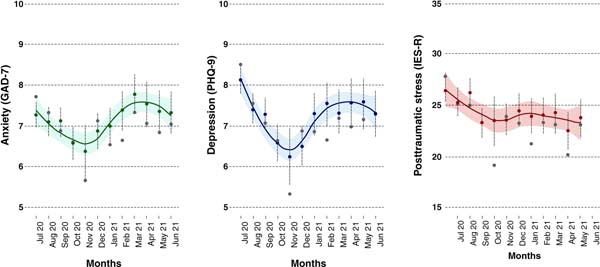
Figure 1 shows the trajectories of the assessed symptoms over the follow-up period, using the marginal means from the LMMs and LOESS smoothing. Anxiety, depression, and posttraumatic stress symptoms tended to change over the study period. The anxiety and depression curves exhibited a similar sinusoidal form, in contrast to posttraumatic stress symptoms, which decreased initially and later tended to plateau. All adverse mental health outcomes tended to decrease from around July 2020 to November 2020. Anxiety and depression tended to increase from around December 2020 to April 2021, followed by a decrease from around April to June 2021. Posttraumatic stress symptoms, on the other hand, remained at a constant level with little fluctuation from around November 2020 to June 2021. Compared to July 2020, anxiety tended to be slightly higher in the second wave of the pandemic, while depression and posttraumatic stress symptoms tended to be lower.
Predictors
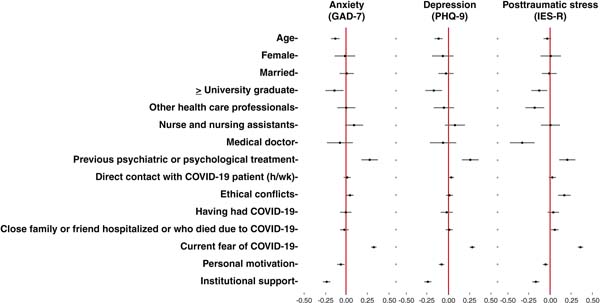
Figure 2 and Supplementary Table S4 present detailed results of the predictor analysis using mixed models. The key findings are outlined below. Participants who reported a higher score for institutional support had a reduced risk of manifesting anxiety, depressive, and posttraumatic symptoms. Furthermore, personal motivation was associated with lower levels of these psychological symptoms, although to a lesser extent than institutional support.
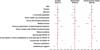
Regarding threatening events related to the pandemic, a higher score of current fear of COVID-19 during the time points was positively associated with all mental health outcomes. Having experienced an ethical conflict was positively associated with signs of anxiety and posttraumatic stress. Having had a close family member or friend hospitalized or who died due to COVID-19 increased the risk of posttraumatic symptoms.
In terms of sociodemographic predictors, HCWs who reported previous psychiatric or psychological treatment were more likely to manifest anxious, depressive, and posttraumatic symptoms. Age decreased anxiety and depression symptoms. Participants with higher levels of education were less likely to exhibit any of the symptoms of interest. Finally, compared with administrative professionals, physicians and other HCWs demonstrated a reduced risk of manifesting posttraumatic symptoms.
DISCUSSION
To our knowledge, this is the first monthly examination of the trajectories of common psychological symptoms among HCWs, as well as their predictors, in a designated COVID-19 referral hospital in an LMIC over the course of 1 year. From July 2020 to June 2021, we evaluated symptoms of anxiety, depression, and PTSD in a sample of 1,078 Brazilian HCWs. Our findings revealed that all adverse mental health manifestations of interest tended to change during the study period compared to our baseline of July 2020, which corresponded to the first critical phase of the pandemic in our state. Specifically, from July to November 2020, there was a noticeable downward trend in symptoms of anxiety, depression, and posttraumatic stress, coinciding with the decline of the pandemic. However, between December 2020 and April 2021, there was a tendency for anxiety and depression symptoms to rise, paralleling the gradual increase in COVID-19 cases and deaths during the initial phase of the second wave in São Paulo state. Subsequently, from April to June 2021, these symptoms tended to decrease. Notably, posttraumatic stress symptoms remained relatively stable with minimal fluctuation from around November 2020 to June 2021. In comparison to the peak of the first wave in July 2020, anxiety levels during the second wave tended to be slightly higher, while depression and posttraumatic symptoms tended to be lower. Our predictor analysis found that institutional support was an important protective factor against anxiety, depression, and posttraumatic stress, while current fear of COVID-19 and a history of psychological or psychiatric treatment were remarkable risk factors for all adverse mental health outcomes.
Our results are consistent with findings from previous studies of HCWs in Brazil16 and elsewhere.14,15,29,30 Other longitudinal studies in Brazil also found no evidence of worsening psychopathology during the pandemic in adults31-33 or children and adolescents,34 as did a systematic review and meta-analysis of global longitudinal studies of the general population.35
In contrast with our overall findings, Serpa et al.11 observed an increase in psychological distress among a large cohort of Brazilian HCWs during the first two waves of the pandemic. This finding is in alignment with the results of other studies conducted in diverse settings, including those by López Steinmetz,36 Elliott,37 and Sasaki.38 This discrepancy may be attributed to the heterogeneous composition of the Serpa et al.11 study sample. Another potential explanation is that our sample was drawn from a large tertiary referral hospital - the largest in Brazil - which served as a pivotal center for COVID-19 care during the period in question. This may have led to a heightened level of emotional distress among the participants at the onset of the pandemic.1,39
Although small, there was a tendency for anxiety to increase during the peak of the second wave. This finding is consistent with previous studies that reported an increase in anxiety in later assessments,12,16 possibly due to heightened anticipatory emotional responses and higher perceived threat and risk that could precede the worsening of the outbreak.16 This could also explain the marked fluctuation in the trajectory of depression symptoms. Despite this fluctuation, depression levels at the second wave tended to be lower than at baseline assessment, which again is in line with previous studies.8,15 Contrary to our expectations, posttraumatic stress symptoms remained constant or even decreased over the course of a year, with little fluctuation even during the peak of the second wave. Recent evidence has challenged the notion that PTSD follows a linear course, pointing to fluctuations in severity over time.40 Nevertheless, our findings are consistent with previous research conducted during the pandemic.15,35,41 An important factor to consider is that approximately 80% of individuals who experience acute trauma typically recover within the first month of the event without developing PTSD.42 Additionally, the population of our study is characterized by ongoing exposure to traumatic stress, which may influence the participants' responses to subsequent traumatic experiences. Our findings are consistent with previous research on populations continuously exposed to traumatic stress, which suggests that habituation - the gradual decrease in response to a repeated and consistent stimulus43 - plays a role in the manifestation of lower levels of posttraumatic symptoms following subsequent traumatic events.44
The trend toward lower levels of depression and traumatic symptoms in subsequent waves may be explained by the fact that, after the first wave, HCWs have a better understanding of COVID-19 transmission and risks, as well as better adjustment to preventive measures and workload.45 A possible decrease in stigma - a factor which was also associated with emotional distress46 - may also have contributed. Another explanation was that the start of COVID-19 vaccination, which began in our state in January 2021, may have given HCWs a greater sense of security and increased confidence to perform their duties, which, in turn, may have relieved the stressful nature of their work.47 In October 2020, there was a reduction in social distancing measures, which have been identified as an important risk factor for psychological distress during the pandemic.13 These findings also support evidence for the importance of psychosocial resources in the trajectory of PTSD and depression48 and highlight the role of perceived control over one's environment and social support in adapting to stress.
The most important finding from the predictor analysis was that aspects related to the organizational environment had a protective effect on HCWs' mental health status, which is consistent with prior research.1,49 This research notwithstanding, there was little evidence from longitudinal studies with long-term follow-up to inform planning and implementation of institutional strategies to manage pandemic-related stress. Therefore, our findings corroborate, clarify, and provide some support for interventions that have been applied in practice, such as ensuring access to adequate personal protective equipment, resources, and training; establishing a clear protocol for addressing ethical conflicts; supporting the families of HCWs; and ensuring that workers have sufficient rest time to perform their duties effectively.50,51 In addition to being associated with the elimination of common pandemic-related stressors, these measures might play an important role in HCWs' job satisfaction, which has been promoted as a means of fostering well-being among this population.52 Despite small effect sizes, we also found that personal motivation was associated with decreased psychological symptoms, which is consistent with previous literature showing, for example, that altruistic risk acceptance and support from family and friends are protective coping factors.49
Higher levels of fear of COVID-19 were positively associated with all adverse mental health outcomes, which is consistent with previous literature53 and might demonstrate the influence of the pandemic state and its risk perception on psychological manifestations. In addition, experiencing ethical conflicts was found to be positively associated with symptoms of anxiety and traumatic stress. Having a family member or close friend who was hospitalized or died due to COVID-19 also increased the risk of posttraumatic symptoms. These findings are consistent with previous studies suggesting that the loss of colleagues and having to face ethical challenges due to resource constraints are associated with an increased likelihood of mental health disorders.54,55 Surprisingly, direct contact with COVID-19 patients and having contracted the disease oneself were not associated with poor psychological well-being among HCWs in our sample. Although this runs counter to our expectation, it reinforces previous findings.56 Hence, in our data, aspects associated with environmental work, including access to resources, clear protocols, and the safety of relatives and friends, were more important than being in contact with or caring for COVID-19 patients.
Regarding sociodemographic predictors, the most important finding was the role of previous psychiatric or psychological treatment as a strong risk factor for psychological symptoms, supporting previous results.8,33 One third of all participants reported prior treatment, demonstrating the vulnerability of this population and the need for special attention to their psychological deterioration during public health emergencies. Older age and higher levels of education were associated with lower levels of emotional distress, which is consistent with the current literature.53
One potential intervention to enhance the mental health of HCWs is internet-based cognitive behavioral therapy (I-CBT), which is a cost-effective technology.57 This approach was employed to address psychiatric symptoms during the pandemic - as it maintains efficacy while helping prevent the spread of infection - with favorable outcomes.58
This study has limitations. Despite a response rate as low as 15% at some time points (Supplementary Table S2), our longitudinal findings were in line with previous literature. We performed a sensitivity analysis and found that our main results were maintained with no significant changes (Supplementary Table S4). We also favored the use of analyses that can handle missing data. Our response rates are consistent with those of other cohorts which also reported low response rates for online assessments during the pandemic.16,32,34,41 These modest rates are likely attributable to the urgent need for timely data collection during the pandemic. A substantial number of subjects provided multiple responses during specific assessment periods; these subjects' scores were averaged to obtain a single value. Consequently, some degree of variability may have been lost. This limitation was particularly evident during the initial 3-month period, particularly regarding anxiety and depression scores, given that the questionnaires were initially sent out every 2 weeks. Finally, we used self-reported online questionnaires and a convenience sample, which may have resulted in response and self-selection bias. Despite this non-probabilistic recruitment strategy, the distribution of sociodemographic characteristics among participants was comparable to that of the overall workforce of the facility in terms of gender, age, and occupation.
Our study revealed meaningful characteristics of the trajectories of common psychological symptoms during a stressful period, suggesting the need for continuous monitoring due to their variability and persistence, as they remained at relatively high levels despite the downward trend seen at the end of follow-up. That organizational support was the most significant longitudinal protective factor for all mental health outcomes highlights the importance of providing a workplace supportive of staff health during pandemic crises. Further research is needed to explore potential clusters and other unobserved patterns in these findings.
 PDF
 Print
 Send this article by email
 How to cite this article
 Submit a comment
 Mendeley
 Pocket
 Share on Facebook
 Share on Twitter



