



ABSTRACT:
Digital therapeutics have evolved rapidly with technological advances in healthcare.
Despite their increasing use, gaps remain in understanding their regulatory frameworks,
integration, and efficacy for conditions like substance use disorder, insomnia, attention
deficit hyperactivity disorder, and post-traumatic stress disorder. This study evaluates
U.S. Food and Drug Administration (FDA)-approved digital therapeutics and explores
their potential to revolutionize psychiatric treatments amid ongoing technological
and regulatory changes. We conducted a comprehensive review of major databases, focusing
on articles published until January 2024 about FDA-approved digital therapeutics.
We excluded non-English articles, those lacking empirical data, and those focusing
on non-FDA-approved therapeutics. Our analysis covered regulatory compliance, clinical
outcomes, and integration with traditional treatments. A review of nine FDA-cleared
digital therapeutics revealed benefits, such as improved treatment accessibility and
potential reductions in healthcare costs. For example, through Somryst, a cognitive-behavioral
therapy-based treatment for insomnia, over 40% of users overcame chronic insomnia,
and 60% experienced improvements without adverse effects. However, challenges remain,
including low provider adoption, inadequate insurance coverage, and high user dropout
rates. While digital therapeutics enhance accessibility, they face regulatory challenges,
reimbursement issues, and require robust clinical evidence. Success depends on collaboration
among stakeholders to demonstrate value, ensure safety, and integrate them into existing
healthcare systems.
Keywords: Digital therapeutics; prescription digital therapeutics; digital health; digital psychiatry; telehealth.
FIGURES
| Note: How to cite this article: Ahuja J, Jaka S, Saeed S, Gunturu S. Download to heal: navigating the pixelated path of digital therapeutics in psychiatric care. Braz J Psychiatry. 2025;47:e20243802.http://doi.org/10.47626/1516-4446-2024-3802 |
| Received: June 24 2024; Accepted: September 13 2024 |
INTRODUCTION
In his scholarly work, renowned author Yuval Noah Harari has explored how the convergence of biotechnology and digital technologies may significantly influence the future of humanity.1 This potential is increasingly evident in healthcare, where digital tools are driving innovations that are reshaping the industry. Digital therapeutics (DTx), a key component of this evolution, represent a new frontier in healthcare by using software-based interventions to manage and treat medical conditions. These advancements are part of the broader shift toward Healthcare 4.0, which parallels Industry 4.0 in its focus on integrating technology to improve efficiency and outcomes in healthcare delivery.2,3
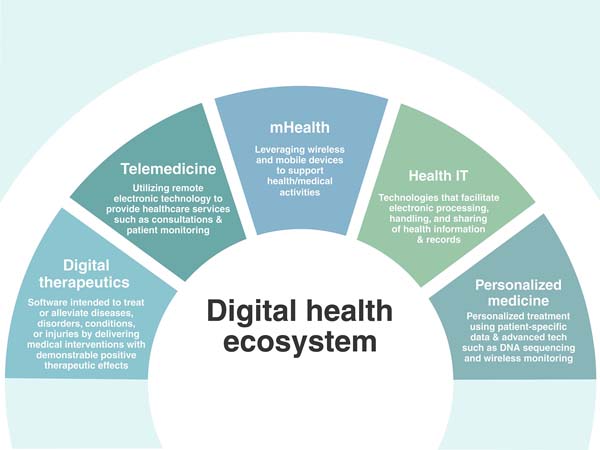
The U.S. Food and Drug Administration (FDA) defines digital health as a broad spectrum encompassing mobile health, health information technology, wearable devices, telehealth, telemedicine, and personalized medicine.4 It is crucial to distinguish between these terms, since they represent distinct facets of healthcare technology. Health information technology pertains to technologies facilitating the electronic processing, storage, and exchange of health information, including electronic health records and secure patient messaging platforms.5 Telemedicine, which gained popularity during the COVID-19 pandemic, refers to medical practice through remote electronic databases.6,7 Personalized medicine tailors medical treatments to individual patient characteristics, leveraging advanced technologies like DNA sequencing and wireless health monitoring.8 Mobile health involves supporting medical and public health activities via mobile and wireless devices, such as mobile phones, patient monitoring devices, and personal digital assistants.9 Figure 1 outlines multiple aspects of the digital health ecosystem.

An increasingly prominent aspect of this technological revolution in healthcare is DTx. The International Organization for Standardization defines DTx as health software intended to treat or alleviate diseases, disorders, conditions, or injuries by delivering medical interventions with demonstrable positive therapeutic effects on patient health.10 Subject to FDA approval and categorized as software-as-a-medical-device, DTx may or may not require a prescription, can be used independently or in conjunction with other medical therapies, and are subject to post-marketing requirements akin to regulated pharmaceuticals.11,12 Examples span various medical disciplines, including endocrinology, orthopedics, and psychiatry, and include applications like Blue Star for diabetes, Renovia for pelvic health, and EndeavorRx, a gamified app for treating attention deficit hyperactivity disorder in children aged 8-12 years.10,13,14 Notably, DTx differ from freely downloadable direct-to-consumer wellness applications like food calorie trackers and meditation apps, which are not regulated by the FDA and are not compliant with the Health Insurance Portability and Accountability Act.11,15
In the realm of behavioral health, the FDA has cleared at least nine DTx with demonstrated efficacy in the treatment of disorders such as substance use disorders (SUD), insomnia, and attention deficit hyperactivity disorder.12 However, several concerns are associated with their adoption, including limited insurance coverage, provider acceptance, attrition, and varying levels of engagement.11,16
This article aims to provide a comprehensive review of digital therapeutic technologies from a psychiatric perspective, an area less explored in the existing literature. Given the rapid evolution of this field, our goal is to elucidate the current landscape of prescription DTx in psychiatry, assess their efficacy in treating various psychiatric disorders compared to traditional therapies, and discuss their benefits, limitations, and potential future directions.
METHODS
A comprehensive review was conducted using key medical databases, including PubMed, SCOPUS, Embase, and Web of Science, covering articles published until January 2024. Search terms such as "digital therapeutics," "FDA-approved," "behavioral health," and specific condition names like "ADHD," "SUD," "insomnia," and "PTSD" were used to ensure thorough coverage. The exclusion criteria were non-English articles, studies lacking empirical data, and research focusing solely on non-FDA-approved therapeutics. In addition to these databases, regulatory sources such as the FDA and industry sources like the Digital Therapeutics Alliance were consulted. Artificial intelligence tools such as GPT-4 were utilized to facilitate table generation and data interpretation. This approach allowed for a focused examination of FDA-cleared DTx specifically for behavioral health conditions. The review assessed these therapeutics' regulatory approvals, clinical outcomes, and integration into healthcare systems, comparing their effectiveness and limitations to traditional pharmacotherapy. Furthermore, the review scrutinized strategies for healthcare integration, including reimbursement models and provider adoption rates, to provide a detailed analysis of the operational challenges and opportunities within the current healthcare landscape.
RESULTS
Our analysis of nine different FDA-cleared DTx showed that they have multiple benefits, including better treatment accessibility and the potential to reduce healthcare costs. For example, Somryst, a therapy for chronic insomnia grounded in cognitive behavioral therapy (CBT), has demonstrated significant effectiveness, with over 40% of its users overcoming chronic insomnia and more than 60% experiencing meaningful improvement without adverse events. However, DTx also face challenges, such as limited provider adoption, inadequate insurance coverage, and high attrition rates among users. A study on internet-based CBT for depression found that only 10.6% of participants fully engaged with the program, and a meta-analysis of mobile apps for depression revealed a corrected dropout rate of 47.8%. These findings indicate that while DTx show promise in improving certain clinical outcomes, there are also discrepancies in effectiveness compared to traditional pharmacotherapy, particularly in more severe cases.
DISCUSSION
The Digital Therapeutics Alliance, which promotes DTx, defines them as "evidence-based therapeutic interventions propelled by high-quality software programs aimed at preventing, managing, or treating medical disorders or diseases."17 Coined in 2015 by Sepah et al., DTx were initially described as "evidence-based behavioral treatments delivered online."18 Although these definitions may vary in scope and the landscape of DTx has evolved over time, it is crucial to underscore their common emphasis on being evidence-based - a key differentiator from other downloadable applications promoting wellbeing that highlights the scientific rigor behind DTx.19
Digital therapeutics vs. prescription digital therapeutics
Not all DTx are created equal. FDA regulations require certain DTx to be initiated and monitored by a licensed healthcare provider, thus giving rise to the term prescription digital therapeutics (PDTs).20 PDTs are subject to greater scrutiny and stricter regulation protocols because they are intended to treat severe chronic diseases.20 Both types offer versatile usage and can be tailored as monotherapy or as part of a comprehensive combination treatment plan involving pharmacological tools for conditions such as opioid use and depression that respond better to pharmacological intervention.20,21
For instance, reSET, a DT for SUD, offers stand-alone treatment for alcohol, cannabis, cocaine, or stimulant use disorders via virtual CBT on mobile devices. Similarly, reSET-O pairs digital CBT with buprenorphine as a combined treatment for opioid use disorder.22
Table 1 presents DTx related to behavioral health that have obtained FDA approval as of March 2023.20,23
| Therapeutic | Disorder treated | Key information |
|---|---|---|
| reSET24 | SUD | This digital platform enhances engagement and retention in SUD treatment, showing significant improvements in abstinence rates over a 12-week period.25 |
| reSET-O26 | Opioid use disorder | Specifically designed for opioid addiction, this therapeutic increases engagement and improves abstinence-related outcomes.27 |
| Somryst28 | Insomnia | Employing a 9-week CBT program, this therapeutic addresses chronic insomnia, showing substantial effectiveness. Users should note potential issues with conditions that worsen with sleep restriction.29 |
| NightWare30 | PTSD linked to traumatic nightmares | A wearable device that improves sleep quality by targeting PTSD-related nightmares; it is especially effective for veterans. Its efficacy is currently being evaluated in clinical trials.31 |
| EndeavourRx32 | ADHD | A digital gaming-based therapy aimed at children aged 8-12 with ADHD that improves attention and hyperactivity. Although beneficial, traditional medications are often more effective.33 |
| Parallel34 | IBS | Authorized by the FDA for adults over 22 years of age, this prescription digital therapy employs CBT to reduce IBS symptoms through a 3-month program.35 |
| Regulora36 | IBS-associated abdominal pain | This application leverages behavioral therapy techniques to specifically address abdominal pain related to IBS in adults over 22 years of age.23 |
| Freespira37 | Panic disorder and PTSD symptoms | Designed to treat panic disorders and PTSD symptoms by stabilizing breathing patterns, this therapy has been shown to reduce symptoms and cut healthcare costs.38 |
| RelieVRx (formerly EaseVRx)39 | Chronic lower back pain | Combines CBT with breathing exercises facilitated through a virtual reality headset, offering pain management solutions for adults suffering from chronic lower back pain.23 |
ADHD = attention deficit hyperactivity disorder; FDA = Food and Drug Administration; IBS = irritable bowel syndrome; PTSD = post-traumatic stress disorder; SUD = substance use disorder.
Furthermore, in July 2023, Phan et al.13 reported that certain DTx had received emergency use authorization from the FDA. These include Deprexis for psychosis and depression (2020), SparkRx for depression in adolescents (2021), and Vorvid for SUD and alcohol use disorder (2020).13 In April 2020, the FDA temporarily relaxed specific regulations for digital health devices targeting psychiatric conditions due to the public health crisis. Subsequently, the FDA released a preliminary plan to reintegrate DTx and medical devices into standard regulatory oversight by December 2021.11 By March 2023, the FDA had developed two guidance documents to formally transition these devices back to regular compliance standards.40
To the best of our knowledge, no list of FDA-approved PDTs has been published in the scientific literature since July 2023. However, a search on the official FDA website mentions authorization for marketing BT-001 (now known as AspyreRx) by Better Therapeutics, a prescription-only digital therapeutic device that provides CBT to patients 18 years or older with type 2 diabetes.41
Digital therapeutics for behavioral health
In this subsection, we delve into FDA-approved, market-authorized, or marketing-authorized PDTs and DTx designed to address behavioral health concerns. While this overview emphasizes notable advancements in DTx for behavioral health, it is crucial to recognize the dynamic nature of this field. The selection provided here is intended to showcase the current landscape, with the understanding that ongoing innovation and research will continue to expand the variety of treatments available.
It is crucial to acknowledge that multiple PDTs incorporate efforts aimed at addressing physiological concerns through behavioral health techniques, such as CBT. For instance, AspyreRx provides CBT for individuals with type 2 diabetes, resulting in superior outcomes and significantly lower hemoglobin A1C levels than a control application.41 AspyreRx is also significantly more cost-effective than standard care, presenting a compelling value proposition for scalability.42,43
Moreover, AppliedVR employs CBT through a virtual reality headset and controller, coupled with a breathing amplifier, to treat chronic lower back pain in adults over 18 years of age.23 Similarly, the Regulora Mobile application utilizes behavioral therapy techniques to address abdominal pain associated with irritable bowel syndrome in individuals over 22 years of age.23
For disorders in which behavioral and physiological aspects are intertwined, such as the presumed involvement of the gut-brain axis in irritable bowel syndrome, interventions like Parallel by Mahana utilize cognitive behavioral techniques that have been shown to be efficacious in combatting irritable bowel syndrome symptoms.44 Parallel, an FDA-market-authorized prescription digital therapy device intended for adults over 22 years of age with irritable bowel syndrome, offers a 3-month CBT program, aiming to alleviate irritable bowel syndrome symptoms and complement other treatment modalities.35
In the domain of behavioral health, numerous DTx have emerged to treat a wide spectrum of conditions, including attention deficit hyperactivity disorder, insomnia, depression, anxiety, post-traumatic stress disorder, and SUD. EndeavorRx by Akili Interactive, for instance, has garnered significant attention for treating attention deficit hyperactivity disorder in children aged 8-12 years. While studies have demonstrated its efficacy in improving symptoms of hyperactivity and inattentiveness, medication remains more effective than DTx overall.33
Pear Therapeutics has also made a significant contribution to the digital health landscape with three DTx: reSET, reSET-O, and Somryst. reSET aids patients with various SUD and has demonstrated strong patient engagement and retention over 12 weeks, with notable abstinence rates at the end of treatment.25 reSET-O, designed for opioid use disorder, has demonstrated considerable benefits, including higher engagement levels that correlate with improved abstinence outcomes.27
Somryst, approved exclusively for adults with chronic insomnia, employs CBT principles over a 9-week period. It has shown significant effectiveness, with a considerable percentage of users overcoming chronic insomnia and experiencing meaningful improvements. However, caution is warranted for patients with conditions that are exacerbated by sleep restriction.29
NightWare, an FDA-cleared wearable DT, targets post-traumatic stress disorder-related nightmares in adults. While ongoing clinical trials aim to comprehensively assess its efficacy and contraindications, preliminary evidence suggests promising outcomes in enhancing sleep quality, particularly for veterans experiencing trauma-related nightmares.31
Finally, Freespira, an FDA-cleared DT, treats panic disorder and panic attacks by normalizing irregular breathing patterns. Clinical data indicate significant improvements in panic symptoms, functional impairment, and healthcare expenses among treated individuals.38
Clearing the hurdles: the Food and Drug Administration approval path
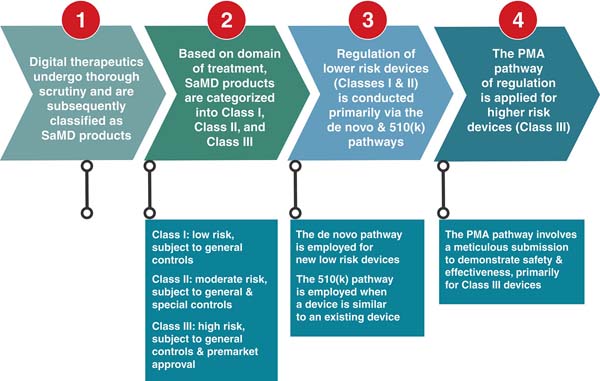
The FDA's hands-off approach to general wellness apps has raised concerns about privacy, efficacy, and their potential for harm.45 In contrast, DTx (both prescribed and non-prescribed) undergo comprehensive scrutiny. These therapeutics, classified as software-as-a-medical-device, are defined by The International Medical Device Regulators Forum as "software intended to be used for one or more medical purposes that perform these purposes without being part of a hardware medical device." "Medical purposes" encompass the diagnosis, mitigation, prevention, and treatment of disease.46,47 Software-as-a-medical-device products are categorized into three classes based on their potential risk: Class I, low risk, subject to general controls; Class II, moderate risk, subject to both general and special controls; Class III, high risk, subject to general controls and premarket approval.20
The first FDA-approved software-as-a-medical-device was classified as Class II and required special controls based on its specific indication. However, the classification of different devices may vary today depending on their domain of treatment.48
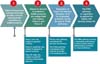
In the United States, DTx regulation mirrors that of lower-risk medical devices, primarily through the de novo and 510(k) pathways. The de novo pathway is intended for new, low-risk devices (Class I and II) that require "reasonable assurance of safety and effectiveness." On the other hand, a 510(k) application is used when a device is similar to an existing "predicate device," and requires no new safety or efficacy data. Additionally, the agency may exercise "enforcement discretion" for low-risk devices that assist in disease management without providing direct treatment.48 Furthermore, there is the rigorous pre-market approval pathway, primarily reserved for Class III devices, which involves a meticulous submission to demonstrate safety and effectiveness.49,50 This process is summarized in Figure 2.
However, it is essential to acknowledge that this regulatory process is not without significant loopholes. Consider the example of reSET, a PDT designed to treat SUD using CBT.46 Despite the company's claims of impressive clinical trial results, a report by the Institute for Clinical and Economic Review raised significant concerns about the quality of the trial design and questioned their findings.51 Nevertheless, the company has used the 510(k) pathway for other PDTs, such as reSET-O and Somryst, without requiring clinical trial data to obtain FDA approval.
The patient experience
For PDTs, physicians must register patients with the product manufacturer, who then provides patients with access through a mobile app store code.52 As outlined by Shafai et al.,20 once a clinician prescribes a PDT, the patient installs it and follows the activation instructions, potentially with in-person, telephone, or online support. The therapeutic program often includes a clinician dashboard to monitor patient progress and ensures data privacy through encryption.20 The therapy typically comprises self-guided lessons that mirror traditional CBT sessions and may incorporate text, goal setting, feedback, animations, quizzes, and video content to increase comprehension and engagement.20 Regular notifications are sent to encourage adherence. Patients also log symptoms and triggers, and some PDTs offer rewards (both monetary and non-monetary) for program adherence. Throughout treatment, patients maintain contact with their clinicians, who have the flexibility to renew prescriptions based on clinical judgment.20
Economic outlook and reimbursement challenges
The DTx market is booming and is expected to skyrocket from a value of US$ 1.0 billion in 2020 to a staggering US$ 4.68 billion by 2024.11,49 This growth momentum is expected to continue, with a projected market size of US$ 9.65 billion by 2028. There are several driving factors behind this surge, including the increasing prevalence of chronic conditions, a shift towards value-based healthcare, and the growing scope of telemedicine.50
Yet, a major hurdle in the United States is the absence of a clear reimbursement framework for DTx. Despite introduction of the Access to Prescription Digital Therapeutics Act of 2022 in the Senate, the bill remains under review by the Committee on Finance.53 While the Centers for Medicare and Medicaid Services have established reimbursement policies for remote patient monitoring and telehealth services, there is uncertainty surrounding reimbursement guidelines for DTx.52
Traditionally, reimbursement has relied on the FDA's NDC and NHRIC numbers. Early pioneers like Welldoc's Bluestar navigated these pathways for reimbursement.52 Beginning in 2016, however, the FDA ruled out NDC codes for software-as-a-medical-device after September 2021, prompting a transition to 14-digit unique device identifier numbers. This shift has introduced technical hurdles to the process.52
The struggles of Pear Therapeutics offer a poignant glimpse into this dilemma. In 2022, they faced significant challenges in securing coverage and reimbursement for their products. This setback led to a downward revision of revenue forecasts and a restructuring of their workforce.54,55 Pear's products found limited traction, primarily within select insurance plans, regional payers, and Fortune 500 company benefits. Negotiations for Medicaid coverage in five states and expansion efforts across multiple states were ongoing. However, by mid-2022, only about half of the 11,000 issued prescriptions had been dispensed, and less than half of those were financially covered.56-59
Navigating these regulatory complexities remains an urgent task for the industry. Resolving reimbursement issues is key to unlocking the full potential of DTx and PDTs, ensuring broader access to these transformative treatments and sustaining the growth trajectory of the market.
Comparisons with pharmacotherapy
Pharmacotherapy and DTx both require clinical validation and are prescribed for specific diseases; however, they involve profound differences in development, trial processes, regulatory approval, distribution, clinical application, and post-marketing management.19 Pharmacotherapy is administered through established methods, such as oral or intravenous routes, and is characterized by measurable drug levels and quantifiable pharmacokinetics, while DTx "dosage" is more related to interaction patterns than quantity.19,21
The distribution model for DTx offers a direct pathway to the patient through developers and platform providers, in contrast to the traditional pharmacy distribution channels for pharmacotherapy.19 DTx are characterized by lower development costs and shorter timelines19 and, unlike pharmacotherapy, which involves well-defined pharmacodynamics and pharmacokinetics,21 DTx bypass extensive phase-3 clinical trials by using medical device regulatory pathways, focusing on software-based interventions without drug toxicity side effects.19
While pharmacotherapy's adverse effects and addiction risks are balanced against its broad application spectrum and known drug interactions, DTx carry minimal risks, such as discomfort from device use, but primarily focus on neuropsychiatric disorders and, although currently unclear, their drug interaction profiles are presumably uneventful.21 As noted above, DTx are often classified as PDTs if they require a prescription, and they can be updated to enhance or remove features to improve functionality over time.19
The efficacy of DTx is influenced by physiological, demographic, sociocultural, and cognitive factors, in contrast to the predominantly physiological determinants of pharmacotherapy efficacy.19 DTx present challenges in terms of digital accessibility, the need for prerequisite user education, and data security concerns due to the digital storage of sensitive user data, necessitating advanced cybersecurity measures.19
In terms of clinical challenges, pharmacotherapy faces physiological barriers, such as the blood-brain barrier in neurological drugs.21 On the other hand, the success of DTx is highly dependent on patient engagement, which requires active patient participation for effective treatment outcomes, with barriers such as attrition proving to be challenging.11,16,19,21 In essence, medications offer structured treatment with tangible outcomes, whereas DTx provides therapeutic interventions through technology with variable interaction patterns, each with unique implications for patient care and safety.
Benefits of digital therapeutics
DTx offer significant advantages in the treatment of mental health disorders. Despite ongoing challenges related to reimbursement, one potential advantage lies in their cost-effectiveness. For instance, in a 12-week trial, reSET-O provided greater efficacy than standard face-to-face counseling at a lower cost.60
These therapeutics provide a pathway to treatment for individuals who may be reluctant to seek in-person care for substance use or mental health concerns due to stigma. The remote accessibility of DTx fosters anonymity, encourages openness, and reduces reliance on face-to-face consultations.61 This can also lead to cost savings by minimizing out-of-pocket expenses associated with provider-patient interactions.62 Moreover, the lower capital requirements and risk profile of DTx may result in lower prices than novel therapeutics for the same indication.52 Additionally, the reduced need for direct provider-patient interaction may help alleviate the shortage of behavioral health specialists.62
DTx and prescription DTx can benefit both patients and providers by streamlining administrative tasks and routine communication, thereby allowing healthcare professionals to spend more time caring for patients. These therapies also offer significant benefits to individuals with chronic debilitating diseases, such as bipolar disorder and depression, by providing 24/7 monitoring capabilities that are otherwise impractical for psychiatrists.15
DTx offer the added advantage of avoiding the toxic side effects associated with certain medications, as well as the versatility of being part of a comprehensive treatment regimen without known pharmacological interactions.15,21 On a broader level, DTx have the potential to bridge health disparities by adopting a comprehensive digital health equity framework in their design and implementation.63,64 Research indicates that digital interventions are effective across diverse demographic groups, and the adaptability of DTx to various sociocultural environments allows for tailored psychoeducation and treatment solutions.65,66
Additionally, DTx have proven effective in engaging hard-to-reach populations, including those residing in rural areas, as well as youth, adolescents, and LGBTQIA+ individuals.61
Limitations of digital therapeutics
Researchers have also raised concerns about the potential benefits of DTx and PDTs, with some suggesting that their advantages may be exaggerated.67 One notable concern is the current lack of long-term data, which hinders our understanding of potential adverse effects.67 Moreover, evaluating the clinical efficacy of DTx using traditional research methods presents unique challenges, including randomization bias, difficulties in double-blinding, and the development of effective software placebos. This raises the question of whether DTx should be compared to simple placebos or directly to conventional pharmacotherapies for a more accurate assessment of effectiveness.67
It is worth noting that prescribing PDTs may not always be advisable or sufficient for certain diseases, particularly if a patient refuses traditional pharmacotherapy. In such cases, conventional pharmacotherapy may be essential, and inadequate prescription of DTx could result in missed treatment opportunities.67 Additionally, the suitability of DTx for patients with varying degrees of mental illness is a valid concern, with in-person care often being more appropriate for certain patients.68
Invasion of privacy is a universal concern with technology, and DTx are no exception. The risk of sensitive data being compromised underscores the need for robust cybersecurity protocols.19 Digital literacy is another essential consideration and potential barrier that may limit the use of these therapeutics to individuals with digital access and a certain level of cognitive ability.19,69
Attrition and engagement are significant concerns regarding DTx, as patient engagement and active participation are essential for effective treatment.16,19 Even the most effective apps may have minimal impact if they fail to engage users sufficiently, resulting in high dropout rates. Patients must feel intrinsically motivated and derive meaningful benefits from health apps to use them independently.70 However, motivation may be particularly low among psychiatric patients struggling with depression, resulting in minimal app engagement. For instance, a study on internet-based CBT for depression found that only 10.6% of the participants fully engaged with the program.71 Moreover, a 2020 meta-analysis examining mobile apps designed to treat depression (not FDA-cleared) revealed a dropout rate of 26.2%, which rose to 47.8% after correction for publication bias.72 Such high dropout rates cast doubt on the efficacy of these digital interventions.
While strategies like frequent clinician interaction, gamification, feedback, and financial incentives may mitigate dropout rates in clinical trials, replicating this level of engagement in real-world settings proves challenging, leading to significantly higher attrition rates in practical applications.
The use of DTx also carries the risk that a significant error in usage, design, or implementation could affect thousands of patients simultaneously, with no mechanisms for prompt detection and correction.15 On the provider front, professional development and training are essential to ensure effective use of this technology, which must also be designed to be interoperable with existing systems to facilitate a seamless transition.61 Finally, while there is potential to reduce health disparities, it is crucial to prioritize digital equity during the design phase to avoid exacerbating existing inequalities.63,64
Digital therapeutics: the future
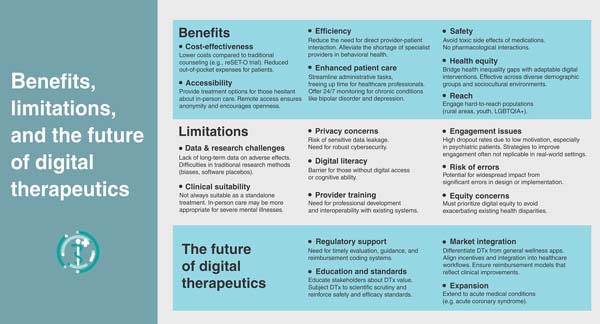
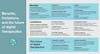
DTx are expanding to encompass acute medical conditions, as exemplified by developments in DTx for acute coronary syndrome by Click Therapeutics.52 However, their viability and impact as interventions for acute psychiatric emergencies are still under investigation. A summary of their benefits, limitations, and potential is outlined in Figure 3.
The transition to DTx will require concerted effort from regulatory agencies for timely evaluation and guidance, alongside the establishment of procedural coding systems to streamline payer reimbursement in the absence of dedicated FDA codes.52
Despite the clinical promise of DTx, they remain on the periphery of mainstream healthcare. Several factors contribute to this, including challenges in differentiating these evidence-based therapies from the myriad of general wellness apps and a lack of aligned incentives within the healthcare system.18 The market saturation of health-related applications adds complexity, making it arduous for both consumers and professionals to discern those with proven therapeutic value.18 Integrating DTx into existing healthcare workflows poses an additional challenge, potentially burdening physicians with an influx of data.18 Moreover, reimbursement models act as a bottleneck, with payers requiring demonstrable clinical improvement before committing to cover DTx, which reflects the intricacies of the U.S. health insurance market.18
To ensure that DTx fulfill their potential in healthcare, it is imperative to educate stakeholders about their value and subject them to the same level of scientific scrutiny expected of conventional drugs.46 Addressing market confusion, adjusting healthcare incentives, and reinforcing standards for safety and efficacy will be pivotal steps in cementing the role of DTx in patient care.18,52
CONCLUSION
In the ever-evolving landscape of technology and healthcare, DTx are emerging as innovative tools that offer novel therapeutic pathways. While they hold promise for enhancing treatment accessibility and minimizing risk profiles, challenges persist, including regulatory oversight, reimbursement frameworks, and the imperative for robust clinical evidence. As we navigate this dynamic terrain, the integration of DTx into mainstream healthcare will require collaborative effort among developers, healthcare providers, regulators, and payers. Ultimately, the trajectory of DTx and PDTs will depend on their ability to convincingly demonstrate value, ensure patient safety, and seamlessly integrate into the broader healthcare ecosystem, thereby reshaping approaches to mental and behavioral health treatment in the digital era.
 PDF
 Print
 Send this article by email
 How to cite this article
 Submit a comment
 Mendeley
 Pocket
 Share on Facebook
 Share on Twitter



