



ABSTRACT:
OBJECTIVE: This study's purpose was to characterize copy number variations in a Brazilian cohort
regarding frequency and inheritance patterns and to determine the effect of copy number
variations previously associated with mental health disorders on the risk of developing
these disorders.
METHODS: A total of 2,250 probands and 3,174 parents (897 trios) from the Brazilian High-Risk
Cohort Study for Mental Conditions (BHRCS) were genotyped, with copy number variations
detected using PennCNV software.
RESULTS: In total, 56.03% of the copy number variations were inherited. Among the distinct
copy number variations, 96.15% were rare (frequency < 1% in the BHRCS). Duplications
in 2q13 and 15q13.3 were less frequent, while those in 2q11.2 and 16p11.2 were more
frequent in the BHRCS than in databases such as the Database of Genomic Variants and
the Genome Aggregation Database. Of the 40 copy number variations previously associated
with mental health disorders, 18 were identified in the sample. While duplication
in 7q11.2 has been considered protective for schizophrenia, we found that deletion
in 7q11.2 was protective for mental health disorders (p = 0.033, OR = 0.103). No significant
results were found for the other copy number variations, despite mild effect sizes.
CONCLUSIONS: This is one of the largest copy number variation studies to have been conducted in
a Brazilian sample, and it will be a valuable resource for future meta-analysis, advancing
our understanding of the genetics of mental health disorders, especially in diverse
populations.
Keywords: Copy number variations (CNVs); psychiatric genetics; deletion 7q11.2; mental health disorders.
FIGURES
| Note: How to cite this article: Arendt J, Zamariolli M, Almodobar L, Ito LT, Ormond R, Oliveira AM, et al. Copy number variations in the Brazilian High-Risk Cohort for Mental Conditions. Braz J Psychiatry. 2025;47:e20243765. http://doi.org/10.47626/1516-4446-2024-3765 |
| Received: June 07 2024; Accepted: December 31 2024 |
INTRODUCTION
Mental health disorders (MHDs) account for about 16% of disability-adjusted life years worldwide, with an estimated economic impact of around USD 5 trillion.1 More than one in ten adolescents and young adults are living with a diagnosable MHD that may persist into adulthood.1-3 Despite their global impact, 60 to 75% of people with MHDs do not receive adequate treatment.4 This issue is particularly pronounced in low- and middle-income countries like Brazil, where factors such as lack of awareness, limited knowledge of available resources, and both self and community stigma and discrimination severely hinder individuals from accessing necessary health care services.4,5
MHDs are multifactorial disorders in which multiple genes and the environment play an important role. Family and twin studies have shown heritability ranging from ~ 0.8 for attention deficit hyperactivity disorder (ADHD) and schizophrenia to ~ 0.35 for major depressive disorder (MDD).6 Despite being highly heritable, identifying the genetic underpinnings of these disorders is still a challenge. However, such efforts could prove instrumental in enhancing the accuracy of diagnosis, treatment, and prevention strategies.
To date, common single nucleotide variants have been the most explored genetic variants in MHDs by genome-wide association studies, identifying multiple genomic regions associated with MHDs.7 These studies also indicate a single nucleotide polymorphism heritability of about one-third of full heritability. In other words, even if the sample size of genome-wide association studies increases exponentially, this may only partially explain the heritability of MHDs.8
Copy number variations (CNVs) are duplications or deletions in the genome (ranging from 1,000 base pairs) that lead to a gain or loss of genetic material, respectively.9 Such variations are widespread in the genome of healthy individuals and can be benign or associated with diseases, emphasizing their inherent complexity and variability.10 While CNVs often have larger effect sizes than common single nucleotide variants due to their potential impact on multiple genes, it is crucial to recognize that the locus size and specific gene content play a significant role in determining their contribution to MHDs.11
In a large-scale CNV association study with 41,321 schizophrenia cases and controls, eight CNVs were found to be associated with the disorder (odds ratio [OR] from 3.8 to 67.7), collectively explaining 0.85% of the variance for schizophrenia, with 1.4% of cases carrying these risk CNVs.12 This is consistent with other studies that have found large effect sizes for CNVs in MHDs, although the absolute frequency of CNVs in MHD patients is small.13 CNVs are often shared across psychiatric disorders: deletions in 2p16.3, 15q11.2, 15q13.3, and 22q11.21, and duplications in 1q21.1 and 16p11.2 are linked to autism spectrum disorder, schizophrenia, and ADHD.14 Additionally, a study of 23,979 individuals with depression and 383,095 controls found that 53 CNVs previously associated with neurodevelopmental disorders also increased the risk of depression.15 Deletions and duplication in 1q21.1 can lead to the development of MDD, schizophrenia, ADHD, and bipolar disorder (BD). Deletion in 15q13.3 has been associated with schizophrenia, ADHD, and BD, while duplication has been associated with MDD and anxiety disorder (AD).12,14-19 However, duplications in 7q11.21 can protect against schizophrenia.12
Psychiatric genetics research has mostly focused on people with European ancestry, leading to a lack of ethnic diversity.20,21 This is especially concerning for Latin America, which includes 8.4% of the global population yet less than 1.5% of genome-wide association study samples.22,23 Because different ancestral groups may have unique genetic architectures, it should not be assumed that findings from European populations apply to Brazilian cohorts, which involve great genetic diversity and a complex population admixture. Addressing this gap is vital for more accurate genetic research and a better understanding of psychiatric conditions in diverse populations.
In this study, we aimed to verify the frequency and inheritance of CNV and identify the impact of CNVs that are known risks for MDD, schizophrenia, ADHD, BD, and AD in the Brazilian High-Risk Cohort Study for Mental Conditions (BHRCS).
METHODS
Brazilian High-Risk Cohort Study for Mental Conditions
The BHRCS, a longitudinal community cohort, has completed three waves.24 Probands aged 6-14 years at baseline were recruited from 57 regular public schools in Porto Alegre (southern Brazil) and São Paulo (southeastern Brazil). In the screening phase, the main caregivers from 8,012 families (9,937 eligible children) were interviewed about family psychiatric symptoms using a modified version of the family history screen.25 Two groups were selected for the subsequent waves of the cohort: a random sample of 958 individuals (with or without a diagnosed MHD or family history of MHD) and a high-risk sample of 1,553 participants with psychiatric symptoms or high family symptom loading (total proband sample = 2,511). The study began in 2010, with psychiatric evaluation at three subsequent time points. Following the screening phase, there were baseline assessments (2010-2011), in which probands were between 6 and 14 years old; Wave 1 (2013-2014), in which the probands were between 9 and 18 years old; and Wave 2 (2017-2018), in which the probands were between 12 and 21 years old (Supplementary Table S1). As anticipated, by the final evaluation, the high-risk group had a significantly higher frequency of MHD diagnoses (51.2%) than the random group (39.2%) (p = 5.877e-08, according to Pearson's chi-square test).
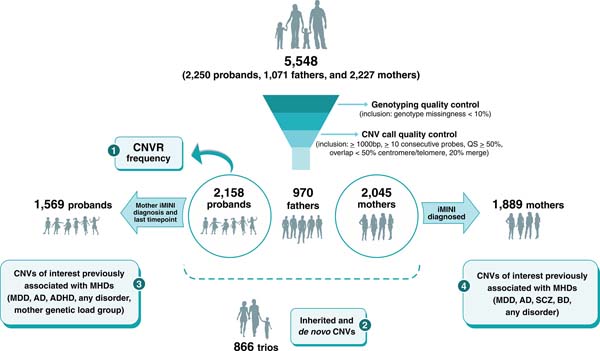
In this study, we only included BHRCS participants with available genetic data, i.e., 2,250 out of the 2,511 probands and their respective parents (Nfathers = 1,071; Nmothers = 2,227). The CNVs of all were called (Nprobands = 2,250; Nfathers = 1,071; Nmothers = 2,227). All probands (n=2,250) were included in CNV frequency analysis. Only father-mother-child trios (n=897) were considered in the inheritance pattern analysis. Phenotypic associations were conducted using mothers and probands. Only mothers who had been assessed with the Mini International Psychiatric Interview (iMINI) (n=1,889) were included. Since this study involved three time points for probands, we restricted the phenotypic association analysis to 1,569 participants who: 1) had = 6 years of follow-up; 2) participated in the latest time point; and 3) had a mother who was assessed with the iMINI. These criteria ensure that the probands are older, have a more current diagnosis, and that controls did not have mothers diagnosed with a MHD (Figure 1).
Genetic data
DNA was extracted from saliva (n=5,116 parents and probands) and blood (n=248 probands) using Oragene (DNA Genotek, Stittsville, ON, Canada) and Puregene (Qiagen, Venlo, Netherlands) kits, respectively, and was quantified with a NanoDrop® spectrophotometer (Thermo Fisher Scientific, Waltham, MA, USA). Genotyping was performed using an Illumina Global Screening Array (Illumina, San Diego, CA, USA), which includes about 700,000 markers, according to manufacturer protocol. Individuals with genotype missingness > 10% were excluded.
Psychiatric phenotypes
Probands were evaluated with the Development and Well-Being Assessment and were diagnosed according to DSM-IV criteria.26 The main caregiver (mother or father) was assessed for history of MHDs using the iMINI and the iMINI Plus.27 Since the mother was the main caregiver for 91.52% of the probands, only the maternal phenotype (and genotype) was considered for association between CNVs and MHDs (n=2,227).
Probands diagnosed with AD (panic, agoraphobia, generalized anxiety, social phobia, and specific phobias), MDD, BD, ADHD, or post-traumatic stress disorder according to the Development and Well-Being Assessment in any wave were considered cases. Probands undiagnosed with a MHD at any time point and no parental history of MHD were considered controls. Finally, we considered an intermediate group of probands with no MHDs but whose mother had been diagnosed with an MHD, which we designated the maternal genetic load group. Among mothers, the control group consisted of those with no diagnosed MHD, while the case group consisted of those with one or more lifetime diagnoses for AD (panic, agoraphobia, generalized anxiety, social phobia), MDD, BD, ADHD, schizophrenia, and substance abuse or dependence disorder.
Calling copy number variation
Autosomal CNV detection was performed with an adapted pipeline in PennCNV 1.0.5, which estimates CNVs from single nucleotide polymorphism-array data based on a hidden Markov statistical model (Supplementary Methods).28,29 The pipeline takes log R ratio and B-allele frequency values for each probe and sample to call CNVs and computes a quality score based on several quality metrics and CNV features (such as CNV length and the number of probes). The quality score estimates the probability that a CNV identified by PennCNV is a true positive call.28
PennCNV quality control default parameters were used to exclude CNV calls and subjects. Adjacent CNVs with gaps shorter than 20% of the total length were merged. CNVs overlapping 50% of centromeric and telomeric regions were excluded. We selected CNV calls that had a quality score > 50%, a minimum size of 1 kb, and were detected by = 10 consecutive probes.
Copy-number variable region frequency
To bypass issues of breakpoint variability among corresponding CNVs, copy-number variable regions (CNVRs) were established using the Bioconductor CNVgears package in R.30 CNVs with 50% reciprocal overlap were grouped in the same CNVR. CNVR coordinates were then used for downstream frequency analysis, which was only performed for probands.
The cohort's CNVR frequency was compared with the population frequency from the Genome Aggregation Database (gnomAD) (v2.1.1) and Database of Genomic Variants (DGV) (release date: 2016-05-15). While gnomAD consists of whole-genome sequences, DGV reports CNVs detected by single nucleotide polymorphism and comparative genomic hybridization-array. For frequency comparison, a reciprocal overlap of = 50% between the CNVs in our sample and those in the database was initially required. For CNVs that did not meet this requirement, we considered a partial overlap, i.e., database CNVs in = 50% of our cohort's CNVs.
Inherited and de novo copy number variations
The R GenomicRanges package (BiocManager library)30 was used in father-mother-proband trios to determine whether CNVs were inherited or de novo events. CNVs with = 50% reciprocal overlap among the proband and parents were considered inherited.
Selection of pathogenic copy number variations for mental health disorders
To identify CNVs of interest that have previously been associated with MHDs, we searched PubMed (https://pubmed.ncbi.nlm.nih.gov on November 6th, 2023) using the following terms: ((((((((copy number variation[Title/Abstract]) OR (copy number variant[Title/Abstract]) OR (cnv[Title/Abstract])) ) AND (anxiety[Title/Abstract])) OR (depression[Title/Abstract])) OR (major depressive disorder[Title/Abstract])) OR (schizophrenia [Title/Abstract])) OR (bipolar disorder[Title/Abstract])) OR (attention-deficit hyperactivity disorder[Title/Abstract]), identifying 850 papers (with overlap, Supplementary Table S2). Only association studies with information available for specific involved regions and the OR or relative risk were selected.
We considered a reciprocal overlap of = 50% among BHRCS CNVs and the reported region. Deletions and duplications involving the region of interest were considered, even if only one of them was implicated in the literature.
Gene annotation
All CNVs previously associated with MHDs were annotated with the NCBI RefSeq gene set downloaded from the UCSC Table Browser - hg19 build (available at: https://genome.ucsc.edu/cgi-bin/hgTables). Genes fully included in CNVs were considered (100% overlap).
Statistical analysis
The association between deletions, duplications, and MHD diagnosis was assessed with Fisher's exact test in R, considering a 95% confidence level. The selected diagnoses were the most prevalent disorders in our cohort: AD, MDD, and ADHD for probands; and AD, MDD, BD, and schizophrenia for mothers. Those with a lifetime diagnosis of any MHD were considered the case group, while the control groups (separate groups for probands and mothers) consisted of those who had not been diagnosed with a MHD. We determined whether maternal genetic load influenced any regions in the probands by comparing them to the control group using the same statistical test.
Ethics statement
The BHRCS was approved by the ethics committees of the Universidade Federal de São Paulo (certificate 74563817.7.2002.5505), the Universidade Federal do Rio Grande do Sul (certificate 74563817.7.1001.5327), and the Faculdade de Medicina da Universidade de São Paulo (IORG0004884). All participants and their legal representatives provided written informed consent.
RESULTS
We conducted two analyses to investigate potential biases arising from different tissue sources: one considering all participants and another focusing exclusively on those who had been genotyped using saliva DNA. Descriptive analyses of the number and mean CNV were performed for the entire BHRCS cohort and specifically for participants who had been genotyped using saliva DNA. Because the averages were similar, we decided to continue the analyses using the entire cohort (Supplementary Results).
After genotyping and CNV quality control, 2,158 probands and 866 trios were included in the CNV frequency and inheritance analyses, respectively. Only the main caregivers were evaluated (iMINI) and most were mothers (91.52%). Thus, to avoid sex bias, we considered only maternal phenotypes for CNV associations (n=1,889; group data availability is shown in Supplementary Figure S1). A total of 1,569 probands were evaluated in the latest wave whose main caregiver was their mother - who had also been assessed with the iMINI. These individuals were used to determine the association between CNVs and MHDs. Descriptive information from the probands and mothers is shown in Supplementary Tables S1, S3, and S4.
Frequency of copy-number variable regions (Nprobands = 2,158)
Given a frequency > 1%, 11 distinct common deletions (from 13 to 17kb) and 41 distinct common duplications (from 6.4 to 3.1Mb) were found in a total of = 22 individuals. The most common deletion was found in 5.75% of the probands (124 individuals) in the 6p21.32 region (chr6: 32,643,623-32,656,558), and the most common duplication is in 1q12-q12.1 (chr1:142,535,974-143,543,213), which was found in 23.58% of the probands (509 individuals). A total of 1,962 probands carry CNVs with a frequency > 1%, of whom 45.9% have been diagnosed with a MHD. For CNVs with a frequency < 1%, we identified 678 distinct deletions (from 1.5 to 3.8 Mb) and 870 distinct duplications (from 1.1 to 4.6 Mb) in 2,143 individuals (47.6% diagnosed with a MHD). All CNV frequencies are shown in Supplementary Tables S5, S6, and S7 (Excel files for download).
Inherited and de novo copy number variations (Ntrios = 866)
Considering only trios, 1,657 inherited CNVs (56.03%) were found with > 55% overlap, with 411 CNVs inherited from the mother (264 deletions and 147 duplications), 1,072 inherited from the father (254 deletions and 818 duplications), and 174 of uncertain inheritance (11 deletions and 163 duplications), i.e., when both the father and mother are carriers of this CNV, but the proband only has one event. A total of 1,300 de novo CNVs (378 deletions and 922 duplications) were found.
Copy number variations related to mental health disorders (Nprobands = 1,569; Nmothers = 1,889)
A total of 850 studies were found in the literature search and, after applying the inclusion and exclusion criteria, 31 deleted or duplicated loci (totaling 40 CNVs) were selected from 20 studies (Table 1).
| MHD | Chr | Region | Type | Critical region (hg19) | Statistics (RR or OR from the previous literature) |
|---|---|---|---|---|---|
| MDD, SCZ, ADHD, BD | 1 | 1q21.1 | Del/Dup | chr1:145,934,643-147,709,376 | Del: ORMDD ~ 115; ORSCZ ~ 412; RRSCZ = 5.616; ORADHD ~ 814; ORBD ~ 331Dup: ORMDD ~ 215; ORMDD ~ 412; RRMDD = 2.116; ORMDD = 3.517; ORADHD ~ 3,514; ORBD ~ 2, p = 0.02219 |
| ND, MDD, SCZ | 1 | 1p36 | Dup | chr1:0-2,500,000 | ORMDD ~ 115; ORSCZ ~ 1332 |
| ND, MDD | 2 | 2q11.2 | Del | chr2:96,742,409-97,677,516 | OR ~ 315 |
| ND, MDD | 2 | 2q13 | Dup | chr2:111,394,040-112,012,649 | OR ~ 115 |
| MDD, SCZ, ADHD | 2 | 2p16.3 | Del | chr2:50,145,643-51,259,674 | ORMDD ~ 214; ORSCZ ~ 1416; RRSCZ = 4.216; ORSCZ = 917; ORADHD ~ 4.714 |
| MDD | 3 | 3p11.2-11.1 | Del | chr3:89,280,646-89,419,921 | OR = 2.333 |
| BD | 3 | 3q13.33 | Del/Dup | chr3:119,540,168-119,813,294 | Exact p = 0.002 (Fisher statistic = 9.33)34 |
| MDD, SCZ, BD | 3 | 3q29 | Del | chr3:195,720,167-197,354,826 | ORMDD ~ 1115; ORSCZ INF12; RRSCZ = 13.516; ORSCZ ~ 57.617; ORBD ~ 17, p = 0.0335 |
| MDD | 6 | 6q21 | Dup | chr6:105,142,578-105,274,964 | OR = 2.833 |
| SCZ | 7 | 7q11.21 | Dup | chr7:64,838,768-64,865,998 | OR ~ 0.6612 |
| SCZ | 7 | 7q11.23 | Dup | chr7:72,744,915-74,142,892 | OR ~ 1612; RR = 4.316; OR ~ 11.317 |
| SCZ | 7 | 7p36.3 | Dup | chr7:158,453,198-158,972,237 | OR ~ 1.5 OR = 317 |
| MDD | 8 | 8p12 | Dup | chr8:31,992,037-32,225,844 | OR = 2.333 |
| ND, MDD | 8 | 8p23.1 | Dup | chr8:8,098,990-11,872,558 | OR ~ 915 |
| SCZ | 8 | 8q22.2 | Del | chr8:100,025,494-100,889,808 | OR ~ 1412 |
| ND, SCZ | 9 | 9p24.1 | Del/Dup | chr9:6,498,679-6,695,986 | ORND = 6.6 - INF36; ORdupSCZ = 5.433 |
| SCZ | 9 | 9q34 | Del/Dup | chr9:137,810,846-141,079,452 | OR ~ 3.412 |
| MDD | 10 | 10q26.3 | Dup | chr10:135,242,873-135,434,504 | OR = 1.3937 |
| MDD, AD, BD | 10 | 10q11.21-11.23 | Dup | chr10:49,020,958-51,739,760 | effect size = 0.532,37 |
| MDD, SCZ, ADHD, BD | 15 | 15q11.2 | Del | chr15:22,750,305-23,290,733 | ORMDD ~ 115; ORSCZ ~ 212; RRSCZ = 1.716; ORSCZ ~ 217/ORADHD ~ 1.6514/ORBD = 0.619 |
| MDD, SCZ, MDD | 15 | 15q11-q13 | Dup | chr15:22,805,313-28,390,339 | ORMDD ~ 815; RRSCZ = 29.216; ORSCZ = 13.216; ORMDD = 0.7717 |
| SCZ, ADHD, BD, MDD, AD | 15 | 15q13.3 | Del/Dup | chr15:31,080,645-32,462,776 | Del: ORSCZ ~ 1512; RRADHD = 4.216; ORADHD = 7.514; ORBD ~ 618 Dup: ORMDD/anxiety ~ 438 |
| ND, MDD | 15 | 15q24 dup | Dup | chr15:72,900,171-78,151,253 | OR ~ 215 |
| SCZ, MDD, ADHD, NDD | 16 | 16p13.11 | Del/Dup | chr16:15,510,000-16,290,000 | Del: ORMDD ~ 315; ORMDD = 2.133Dup: ORSCZ = 2.317; ORMDD ~133; ORADHD = 2.1214 |
| ND, MDD, BD, SCZ | 16 | 16p11.2 | Del/Dup | chr16:29,650,840-30,200,773 | Del: OR ~ 115Dup: ORMDD ~ 215; ORBD ~ 4, p = 0.002335; RRSCZ = 8.616; ORMDD ~ 315; ORSCZ ~ 912 |
| MDD, SCZ, ADHD | 16 | 16p12.1 | Del | chr16:21,950,135-22,431,889 | ORMDD ~ 1.515; ORSCZ ~ 1.514; RRADHD = 3.416 |
| SCZ, ADHD, ID | 16 | 16p11.2 | Del distal | chr16:28,823,196-29,046,783 | ORSCZ ~ 2012; ORADHD ~ 214; ORID = 18.239 |
| ADHD, SCZ | 16 | 16p13.11 | Dup | chr16:15,511,655-16,293,689 | ORADHD ~ 2,114/RRSCZ = 1.716 |
| ND, MDD | 17 | 17p11.2 | Del | chr17:16,812,771-20,211,017 | OR ~ 515 |
| ND, MDD | 17 | 17q11.2 | Del | chr17:29,107,491-30,265,075 | OR ~ 315 |
| SCZ, MDD, ADHD | 17 | 17q12 | Del/Dup | chr17:34,815,904-36,217,432 | Del: OR = 6.6Dup: OR ~ 215 |
| ADHD, SCZ | 17 | 17p12 | Del | chr17:34,815,904-36,217,432 | ORADHD ~ 214; ORSCZ = 3.6 less risk for MHDs (HR = 0.4-0.8)31 |
| MDD, SCZ, ADHD, ID | 22 | 22q11.2 | Del/Dup | chr22:19,020,000-21,420,000 | Del: ORMDD ~ 115; ORSCZ ~ 6812; ORSCZ = (28.3-INF)16; ORADHD ~ 10,716 Dup: ORSCZ ~ 0,1512; ORADHD ~2,217; ORADHD = 5.4639 |
AD = anxiety disorder; ADHD = attention deficit hyperactivity disorder; BD = bipolar disorder; Del = deletion; Dup = duplication; HR = hazard ratio; MDD = major depressive disorder; MHD = mental health disorder; ND = developmental disorders; OR = odds ratio; RR = relative risk; SCZ = schizophrenia.
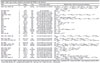
Of the 40 main CNVs previously associated with MHDs, 18 occurred in 321 individuals (probands and parents), ranging from 100 kb to 3.9 Mb. Two individuals were carriers of more than one CNV previously associated with MHDs. Of the 108 probands (6.8%) and 116 mothers (6.1%) with CNVs overlapping these regions, 33.4% (76 of 224) have been diagnosed with a MHD. The most frequent region for both the probands and parents is 10q26.3 (chr10:135,242,873-135,434,504; BHRCS duplication frequency = 2.94%).
Among mothers, deletion in 7q11.21 (chr7:64,594,341-65,169,458) was exclusively found in the control group, carried by nine out of 1,255 controls (0.717%). This finding reveals a significant association between deletion in 7q11.21 and lifetime diagnosis of any MHD (p = 0.033) (Table 2).
| AD (n=474) | MDD (n=282) | Schizophrenia (n=134) | BD (n=133) | Any disorder (n=634) | |||||||||||||
|---|---|---|---|---|---|---|---|---|---|---|---|---|---|---|---|---|---|
| Region | Total n | Control n (%) | Cases n (%) | p-value | OR | Cases n (%) | p-value | OR | Cases n (%) | p-value | OR | Cases n (%) | p-value | OR | Casesn (%) | p-value | OR |
| 2q13 dup | 1 | 1 (0.080) | 0 (0.000) | > 0.999 | 0.000 | 0 (0.000) | > 0.999 | 0.000 | 0 (0.000) | > 0.999 | 0.000 | 0 (0.000) | > 0.999 | 0.000 | 0 (0.000) | > 0.999 | 0.000 |
| 7q11.21 del | 9 | 9 (0.717) | 0 (0.000) | 0.123 | 0.000 | 0 (0.000) | 0.371 | 0.000 | 0 (0.000) | > 0.999 | 0.000 | 0 (0.000) | > 0.999 | 0.000 | 0 (0.000) | 0.033* | 0.000 |
| 7q11.21 dup | 3 | 1 (0.080) | 0 (0.000) | 0.577 | 0.000 | 0 (0.000) | > 0.999 | 0.000 | 0 (0.000) | > 0.999 | 0.000 | 0 (0.000) | > 0.999 | 0.000 | 2 (0.315) | 0.262 | 3.965 |
| 10q26.3 dup | 84 | 61 (4.860) | 18 (3.800) | 0.520 | 0.807 | 9 (3.191) | 0.346 | 0.674 | 5 (3.731) | 0.123 | 0.309 | 5 (3.759) | 0.830 | 0.829 | 23 (3.628) | 0.239 | 0.737 |
| 10q26.3 del | 2 | 2 (0.159) | 0 (0.000) | > 0.999 | 0.000 | 0 (0.000) | > 0.999 | 0.000 | 0 (0.000) | > 0.999 | 0.000 | 0 (0.000) | > 0.999 | 0.000 | 0 (0.000) | 0.554 | 0.000 |
| 15q11.2 del | 7 | 5 (0.400) | 2 (0.422) | > 0.999 | 1.195 | 0 (0.000) | 0.603 | 0.000 | 2 (1.493) | 0.083 | 5.293 | 2 (1.504) | 0.081 | 5.338 | 2 (0.315) | > 0.999 | 0.791 |
| 15q11.2 dup | 9 | 6 (0.478) | 2 (0.422) | > 0.999 | 0.852 | 2 (0.709) | 0.631 | 1.632 | 0 (0.000) | 0.485 | 1.641 | 0 (0.000) | > 0.999 | 0.000 | 3 (0.473) | > 0.999 | 0.990 |
| 15q13.3 del | 1 | 1 (0.080) | 0 (0.000) | > 0.999 | 0.000 | 0 (0.000) | > 0.999 | 0.000 | 0 (0.000) | > 0.999 | 0.000 | 0 (0.000) | > 0.999 | 0.000 | 0 (0.000) | > 0.999 | 0.000 |
| 16p11.2 dup | 3 | 2 (0.159) | 0 (0.000) | 0.577 | 0.000 | 0 (0.000) | > 0.999 | 0.000 | 0 (0.000) | 0.198 | 6.576 | 0 (0.000) | > 0.999 | 0.000 | 1 (0.158) | > 0.999 | 0.990 |
| 16p12.1 del | 1 | 0 (0.000) | 1 (0.211) | 0.251 | Inf | 0 (0.000) | > 0.999 | 0.000 | 0 (0.000) | > 0.999 | 0.000 | 0 (0.000) | > 0.999 | 0.000 | 1 (0.158) | 0.336 | Inf |
| 16p13.11 dup | 2 | 2 (0.159) | 0 (0.000) | > 0.999 | 0.000 | 0(0.000) | > 0.999 | 0.000 | 0 (0.000) | > 0.999 | 0.000 | 0 (0.000) | > 0.999 | 0.000 | 0 (0.000) | 0.554 | 0.000 |
| 22q11.2 dup | 2 | 1 (0.080) | 1 (0.211) | 0.439 | 2.987 | 0(0.000) | > 0.999 | 0.000 | 0 (0.000) | > 0.999 | 0.000 | 0 (0.000) | > 0.999 | 0.000 | 1 (0.158) | > 0.999 | 1.980 |
AD = anxiety disorder; BD = bipolar disorder; Inf = positive infinity; MDD = major depressive disorder; OR = odds ratio.
* Statistically significant.
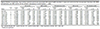
No significant results were found for the other CNVs, although 13 presented mild effect sizes for different psychiatric phenotypes when the frequencies of CNVs previously associated with MHDs were compared between the case and control groups of mothers and probands. As an example, mothers carrying the deletion in 15q11.2 (chr15:20,606,966-23,272,734) were approximately 5.3 times more likely to be diagnosed with schizophrenia (p = 0.083; OR = 5.293, 95%CI 0.7332-19.8681) or BD (p = 0.081; OR = 5.338, 95%CI 0.7277-19.7162) (Table 2). The same association was found among the probands (Table 3).
| AD (n=398) | MDD (n=320) | ADHD (n=250) | Any disorder (n=813) | Maternal genetic load group (n=162) | |||||||||||||
|---|---|---|---|---|---|---|---|---|---|---|---|---|---|---|---|---|---|
| Region | Total n | Controls n (%) | Casesn (%) | p-value | OR | Cases n (%) | p-value | OR | Cases n (%) | p-value | OR | Cases n (%) | p-value | OR | Cases n (%) | p-value | OR |
| 1q21.1 del | 2 | 1 (0.168) | 0 (0.000) | > 0.999 | 0.000 | 0 (0.000) | > 0.999 | 0.000 | 0 (0.000) | > 0.999 | 0.000 | 0 (0.000) | 0.423 | 0.000 | 1 (0.617) | 0.382 | 3.681 |
| 2q11.2 dup | 1 | 1 (0.168) | 0 (0.000) | > 0.999 | 0.000 | 0 (0.000) | > 0.999 | 0.000 | 0 (0.000) | > 0.999 | 0.000 | 0 (0.000) | 0.423 | 0.000 | 0 (0.000) | > 0.999 | 0.000 |
| 2q13 dup | 1 | 1 (0.168) | 0 (0.000) | > 0.999 | 0.000 | 0 (0.000) | > 0.999 | 0.000 | 0 (0.000) | > 0.999 | 0.000 | 0 (0.000) | 0.423 | 0.000 | 0 (0.000) | > 0.999 | 0.000 |
| 7q11.21 del | 5 | 4 (0.673) | 0 (0.000) | 0.304 | 0.000 | 0 (0.000) | 0.304 | 0.000 | 1 (0.400) | > 0.999 | 0.593 | 0 (0.000) | 0.169 | 0.182 | 0 (0.000) | 0.583 | 0.000 |
| 7q11.21 dup | 3 | 1 (0.168) | 0 (0.000) | > 0.999 | 0.000 | 0 (0.000) | > 0.999 | 0.000 | 0 (0.000) | > 0.999 | 0.000 | 0 (0.000) | 0.423 | 0.000 | 1 (0.617) | 0.382 | 3.681 |
| 9q34 dup | 3 | 1 (0.168) | 0 (0.000) | > 0.999 | 0.000 | 0 (0.000) | > 0.999 | 0.000 | 0 (0.000) | > 0.999 | 0.000 | 0 (0.000) | 0.423 | 0.000 | 1 (0.617) | 0.382 | 3.681 |
| 10q26.3 dup | 43 | 18 (3.030) | 12 (3.209) | 0.851 | 1.062 | 6 (1.875) | 0.387 | 0.613 | 10 (4.000) | 0.528 | 1.335 | 23 (2.829) | 0.873 | 0.933 | 1 (0.617) | 0.094 | 0.199 |
| 15q13.3 del | 1 | 0 (0.000) | 1 (0.267) | 0.386 | Inf | - | - | - | 1 (0.400) | 0.296 | Inf | 1 (0.123) | > 0.999 | Inf | - | - | - |
| 15q11.2 del | 8 | 5 (0.842) | 2 (0.535) | 0.713 | 0.634 | 2 (0.625) | 0.615 | 0.742 | 1 (0.400) | 0.676 | 0.474 | 3 (0.369) | 0.294 | 0.438 | 0 (0.000) | 0.590 | 0.000 |
| 15q11.2 dup | 5 | 2 (0.000) | 3 (0.802) | 0.380 | 2.395 | 2 (0.625) | > 0.999 | 1.863 | 0 (0.000) | > 0.999 | 0.000 | 3 (0.369) | > 0.999 | 1.098 | 0 (0.000) | > 0.999 | 0.000 |
| 16p11.2 dup | 1 | 0 (0.000) | - | - | - | - | - | - | 1 (0.400) | 0.296 | Inf | 1 (0.123) | > 0.999 | Inf | - | - | - |
| 16p12.1 del | 1 | 0 (0.000) | - | - | - | 1 (0.313) | 0.350 | Inf | - | - | - | 1 (0.123) | > 0.999 | Inf | - | - | - |
| 16p13.11 del | 1 | 1 (0.168) | 0 (0.000) | > 0.999 | 0.000 | 0 (0.000) | > 0.999 | 0.000 | 0 (0.000) | > 0.999 | 0.000 | 0 (0.000) | 0.423 | 0.000 | 0 (0.000) | > 0.999 | 0.000 |
| 16p13.11 dup | 1 | 1 (0.168) | 1 (0.267) | > 0.999 | 0.000 | 0 (0.000) | > 0.999 | 0.000 | 0 (0.000) | > 0.999 | - | 0 (0.000) | 0.423 | 0.000 | 0 (0.000) | > 0.999 | 0.000 |
| 22q11.2 dup | 1 | 1 (0.168) | 0 (0.000) | > 0.999 | 0.000 | 0 (0.000) | > 0.999 | 0.000 | 0 (0.000) | > 0.999 | - | 0 (0.000) | 0.423 | 0.000 | 0 (0.000) | > 0.999 | 0.000 |
AD = anxiety disorder; ADHD = attention deficit hyperactivity disorder; Inf = positive infinity; MDD = major depressive disorder; OR = odds ratio.
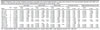
The CNVs associated with MHDs in the BHRCS cohort were compared with those in the gnomAD and DGV databases (Table 4). However, the frequency of deletions in 1q21.1 (chr1:146,326,373-149,217,804) and 10q26.3 (chr10:135,233,045-135,434,303) could not be compared with the databases due to lack of overlap. Even among different databases, the same region sometimes appears at different frequencies. Seven regions had similar frequencies in the BHRCS sample and one or both databases. The frequency of duplications in 9q34 (chr9:136,330,050-140,260,746) and 15q13.3 (chr15:30,950,529-32,515,100) was more than two times lower in the BHRCS sample, while duplications in 2q11.2 (chr2:96,549,198-98,023,948) and 16p11.2 (chr16:28,485,845-30,199,713) were more than two times higher in the BHRCS sample.
| Region | BHRCS CNVR (hg19) | Length (bp) | BHRCS overall Carriers | Inheritance Pattern | BHRCS proband s% | DGV % | gnomAD% | AFR gnomAD% | AMR gnomAD% | EAS gnomAD% | EUR gnomAD% |
|---|---|---|---|---|---|---|---|---|---|---|---|
| 1q21.1 del | chr1:146,326,373-149,217,804 | 2,891,432 | Probands: 2 Mothers: 0 Fathers: 0 | Unknown┼ | 0.093 | - | - | - | - | - | - |
| 2q11.2 dup | chr2:96,549,198-98,023,948 | 1,474,751 | Probands: 1 Mothers: 0 Fathers: 1 | Inherited | 0.046 | - | 0.004 | 0.000 | 0.000 | 0.000 | 0.0001 |
| 2q13 dup | chr2:111,449,141-113,106,353 | 1,657,213 | Probands: 1 Mothers: 1 Fathers: 0 | Inherited | 0.046 | 0.14 | - | - | - | - | - |
| 7q11.21 del | chr7:64,594,341-65,169,458 | 575,118 | Probands: 8 Mothers: 10 Fathers: 4 | 3 inherited, 5 unknown┼ | 0.370 | 0.77 | 0.3 | 0.001 | 0.000 | 0.001 | 0.001 |
| 7q11.21 dup | chr7:64,594,340-65,089,410 | 495,071 | Probands: 4 Mothers: 3 Fathers: 2 | 1 inherited, 3 unknown┼ | 0.185 | 0.25 | 0.15 | 0.001 | 0.002 | 0.002 | 0.001 |
| 9q34 dup | chr9:136,330,050-140,260,746 | 3,930,697 | Probands: 2 Mothers: 0 Fathers: 0 | 1 de novo, 1 unknown┼ | 0.093 | 0.56 | 0.2 | 0.0004 | 0.002 | 0.000 | 0.005 |
| 10q26.3 del | chr10:135,242,873-135,434,504 | 191,632 | Probands: 0 Mothers: 2 Fathers: 2 | - | 0.000 | - | - | - | - | - | - |
| 10q26.3 dup | chr10:135,233,045-135,434,303 | 201,259 | Probands: 60 Mothers: 98 Fathers: 46 | 26 inherited, 5 de novo, 29 unknown┼ | 2.780 | 4.14 | 2.94 | 0.09 | 0.022 | 0.013 | 0.02 |
| 15q11.2 del | chr15:20,606,966-23,272,734 | 2,665,769 | Probands: 9 Mothers: 9 Fathers: 8 | 2 inherited, 1 de novo, 6 unknown┼ | 0.417 | - | 0.19 | 0.002 | 0.003 | 0.002 | 0.002 |
| 15q11.2 dup | chr15:20,263,192-23,279,684 | 3,016,493 | Probands: 8 Mothers: 9 Fathers: 5 | 4 inherited, 4 unknown┼ | 0.417 | 0.25 | - | - | - | - | - |
| 15q13.3 del | chr15:30,940,102-32,515,100 | 1,574,999 | Probands: 1 Mothers: 1 Fathers: 0 | Unknown┼ | 0.046 | 0.06 | 0.004 | 0.000 | 0.000 | 0.000 | 0.0001 |
| 15q13.3 dup | chr15:30,950,529-32,515,100 | 1,564,572 | Probands: 0 Mothers: 1 Fathers: 0 | - | 0.000 | 0.7 | 0.26 | 0.000 | 0.0026 | 0.005 | 0.0024 |
| 16p11.2 dup | chr16:28,485,845-30,199,713 | 1,713,869 | Probands: 4 Mothers: 4 Fathers: 0 | 2 de novo, 2 unknown┼ | 0.185 | 0.05 | 0.004 | 0.0001 | 0.000 | 0.000 | 0.000 |
| 16p12.1 del | chr16:21,956,458-22,435,843 | 479,386 | Probands: 1 Mothers: 1 Fathers: 1 | Unknown┼ | 0.046 | 0.09 | 0.02 | 0.0002 | 0.000 | 0.000 | 0.0004 |
| 16p12.1 dup | chr16:21,956,457-22,379,458 | 423,002 | Probands: 1 Mothers: 0 Fathers: 0 | de novo | 0.046 | 0.03 | 0.04 | 0.0006 | 0.000 | 0.0008 | 0.0003 |
| 16p13.11 del | chr16:15,111,281-16,305,355 | 1,194,075 | Probands: 1 Mothers: 0 Fathers: 2 | Unknown┼ | 0.046 | 0.03 | 0.01 | 0.0002 | 0.000 | 0.000 | 0.0001 |
| 16p13.11 dup | chr16:15,111,281-18,165,043 | 3,053,763 | Probands: 3 Mothers: 2 Fathers: 1 | 2 de novo, 1 unknown┼ | 0.139 | 0.05 | - | - | - | - | - |
| 22q11.2 dup | chr22:18,655,799-21,461,607 | 2,805,809 | Probands: 2 Mothers: 2 Fathers: 1 | 1 inherited, 1 unknown┼ | 0.093 | 0.07 | - | - | - | - | - |
AFR = African population; AMR = American Population; BHRCS = Brazilian High-Risk Cohort Study for Mental Conditions; bp = base pair; CNVR = copy number variable region; DGV = Database of Genomic Variants; EAS = East Asian population; EUR = European population; MHDs = mental health disorders.
┼ Unknown inheritance: probands not part of a trio.
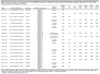
A total of 50 probands with CNVs associated with MHDs belonged to complete trios, one of whom had two CNVs. We found 39 inherited CNVs (eight distinct CNVs: duplication in 10q26.3, 7q11.21, 15q11.2, 22q11.2, 2q11.2, and 2q13; and deletion in 7q11.21 and 15q11.2) (76.47%), of which 21 were inherited from the mother (three deletions and 18 duplications) and 17 were inherited from the father (three deletions and 14 duplications). One duplication in the 10q26.3 region was of uncertain inheritance. Finally, there were 12 de novo CNVs previously associated with MHDs (six distinct CNVs: duplication in 10q26.3, 16p11.2, 16p12.1, 16p13.11, and 9q34; and deletion in 15q11.2).
We found two cases of mothers and probands with inherited duplication in the 10q26.3 region in which both were diagnosed with MHD. In both cases, the mothers and children had AD, but in one case the mother and daughter also had MDD. In the inherited duplication in 15q11.2, the father was diagnosed with schizophrenia and AD, while his son was diagnosed with ADHD.
Gene annotation was performed for all CNVs associated with MHDs in the BHRCS sample, as shown in Supplementary Table S6 (Excel files for download).
DISCUSSION
This study identified and analyzed CNVs with a recognized impact on MHDs in the BHRCS sample, which, to our knowledge, is one of the largest CNV studies to have been conducted in a Brazilian population. In recent decades, the field of psychiatric genetics has focused on identifying common variants in MHDs. Although genotyping is not the gold standard for CNV identification, it has proven stable and reliable for large CNVs of known pathogenicity. To optimize our results and reduce false-positive CNV identification, we applied a minimum quality score of 50% to select the most reliable CNVs for inclusion in the analyses.28,40
The ratio of inherited and de novo CNVs observed among the father-mother-child trios in this study was consistent with previously reported patterns in the literature. For instance, a comparable study about neurodevelopmental disorders found that 51% of CNVs were inherited.41
Regarding CNVR frequency, the overall results indicated a higher number of rare CNVs (frequency < 1%) than common CNVs in the BHRCS cohort, which is consistent with other studies that used genotyping data to study structural genetic variations.42 These findings highlight the role of rare CNVs as an important component of genomic variability, which may be relevant in determining the genetic architecture of complex diseases and phenotypic traits.
For some CNVs previously associated with MHDs in the literature, there was no correspondence between the reported disorder and diagnosis in our cohort. For example, duplication in 10q26.3, which has been associated with MDD, was found in individuals with AD, ADHD, BD, and schizophrenia in the BHRCS cohort. This is commonly observed, given that these variants have incomplete penetrance and variable expressivity. Nevertheless, it highlights the importance of cross-disorder studies due to the high genetic correlation between MHDs, as well as the importance of identifying known CNVs in new cohorts.43,44 Furthermore, our study evaluated adolescents and young adults and, mainly in the case of probands, the observed associations may reflect an early stage of the disorder or other diagnoses in the future.
Considering CNVs previously associated with MHDs, deletion in 7q11.21 was significantly more frequent in control group mothers than in those with any MHD, which suggests that deletion in 7q11.21 protects against MHDs. The 7q11.21 region (CNVR of 575kb), which is poor in genes, includes three fully overlapping genes (ZNF92, LOC101929322, INTS4P1) that have been underexplored in the literature. Although this region has been found to be protective when duplicated, it was present in two individuals from the case group in our study (both with ADHD).12 Our findings corroborate a relationship between the presence or absence of the 7q11.21 genetic region and the occurrence of developmental disorders. However, new studies with larger sample sizes must be conducted to confirm this result and determine the region's mechanism of action.
In our cohort, 26 individuals (nine probands) were found to have a deletion in chromosome 15q11.2 (coordinates chr15:20,606,966-23,272,734), which includes genes that are commonly deleted in individuals with Burnside-Butler syndrome (NIPA1, NIPA2, CYFIP1, and TUBGCP5). Burnside-Butler syndrome is characterized by developmental delays in speech and motor function, congenital anomalies, and behavioral issues, including autism.45 Importantly, these same genes are often deleted in individuals with Prader-Willi syndrome. However, Prader-Willi syndrome involves a larger deletion that extends across the 15q11.2-q13.1 region. Noticeably, the specific deletion identified in our cohort occurs in a non-imprinted region, whose genes can be expressed from both parental copies and are not influenced by the donor parent.46 The TUBGCP5 gene (gamma-tubulin complex-associated protein 5) has been linked to MHDs, such as ADHD and obsessive-compulsive disorder.47,48 Additionally, the CYFIP1 (cytoplasmic FMR1 interacting protein 1) gene plays a critical role in postnatal regulation of neurogenesis in the hippocampus and has been implicated in neuropsychiatric disorders, including schizophrenia and autism.49
It is also worth mentioning that the SYCE1 (synaptonemal complex central element protein 1) gene is in the most frequent CNV (10q26.3) associated with MHDs. This gene is crucial in synaptonemal complex formation during meiosis, which is essential for the correct segregation of chromosomes and fertility.50 Thus, mutations in this gene may indirectly influence genetic variability and affect other genomic regions critical for neurological development. However, there is no direct evidence linking SYCE1 to MHDs, although it is expressed in the brain.51 Most research on SYCE1 has focused on its function in meiosis and fertility, without establishing clear connections to psychiatric genetics. However, these findings also indicate that studies should focus on MHDs.
The frequencies of some CNVRs in our sample were consistent with one or both online databases. However, duplications in 2q13 and 15q13.3 occurred at lower frequencies, while duplications in 2q11.2 and 16p11.2 occurred higher frequencies in our cohort. It is also noteworthy that the same region can have varying frequencies in different databases, for example, the frequency of duplication in 16p11.2 is 12.5 times lower in gnomAD than in DGV. This may be related to the greater frequency of MHDs in our cohort, given that the DGV consists of individuals classified as controls. The underrepresentation of Brazilian samples in population databases could also contribute to these differences, since variation in ancestry could also be a contributing factor.
Regarding the inherited duplications in 10q26.3 and 15q11.2 and the fact that the parent and child had been diagnosed with MHDs, these findings highlight the complex interplay between genetic variations and psychiatric disorders, although the presence of different psychiatric diagnoses in the same family suggests that these duplications significantly contribute to genetic vulnerability to different disorders. Nevertheless, further research is needed to determine the specific mechanisms by which these duplications contribute to MHDs and how they interact with other genetic and environmental factors.
The main limitation of this study is its sample size, since CNVs are rare events that require extensive samples for robust analysis.40 In addition, although some CNVs have been associated with MHDs, it is known that they can have incomplete penetrance and variable expressivity, which complicate interpretation of their impact on a phenotype. The fact that MHDs typically onset in early adulthood is another challenge, because some probands may not yet have been diagnosed or may experience diagnostic changes, which will be monitored as this longitudinal study continues. Furthermore, most CNVs studied in the literature have been associated with schizophrenia, a diagnosis not covered by the Development and Well-Being Assessment (the questionnaire used for probands in our cohort). Finally, clinical data were mainly gathered from one caregiver (usually the mother, ~ 91.5%) without additional input from the second caregiver, which prevents a fuller analysis of family context.
In conclusion, we selected the main CNVs previously associated with MHDs, identified them in the BHRCS cohort, and determined their frequency and inheritance pattern, in addition to that of overall CNVs. Based on prior studies, the frequency and inheritance pattern in the BHRCS cohort were as expected. Duplication in 10q26.3 was the most frequent CNV of interest in our sample. Deletion in 7q11.21 was a protective factor against MHDs among mothers. Finally, although non-significant, we found mild effect sizes for the association of these CNVs with MHDs. As an example, mothers carrying a deletion in 15q11.2 were more likely to be diagnosed with schizophrenia and BD. Our results provide a better understanding of the genetics and risk of MHDs in this cohort by supplying CNV data. In the near future, these results could contribute to further meta-analysis with larger sample sizes, in which the relevance of these CNVs can be identified with greater statistical power. Given the inherent complexity of the genetics of MHDs, a full understanding of the impact of CNVs on these disorders requires a continuous, in-depth, and integrated approach. The quest for more complete answers continues, guided by a commitment to improving the quality of life and well-being of people facing MHDs.
ACKNOWLEDGEMENTS
The authors would like to thank the participants and their families, as well as the cohort researchers. This study was supported by Fundação de Amparo à Pesquisa do Estado de São Paulo (FAPESP; fellowships 2021/04591-0, 2024/02453-7; grants 2008/57896-8, 2021/05332-8, 2021/12901-9, 2023/05560-6; EMU 2023/00437-1), Brain and Behavior Research Foundation 2019 Young Investigator NARSAD Grant (grant 28674), Coordenação de Aperfeiçoamento de Pessoal de Nível Superior - Finance Code 001, and Conselho Nacional de Desenvolvimento Científico e Tecnológico (CNPq; 573974/2008-0; 465550/2014-2).
 PDF
 Print
 Send this article by email
 How to cite this article
 Submit a comment
 Mendeley
 Pocket
 Share on Facebook
 Share on Twitter



