


| Note: How to cite this article: Gonçalves WS, Moraes CEF, Sichieri R, Hay P, Appolinario JC. Suicidal ideation and medical comorbidity: a hidden problem. Braz J Psychiatry. 2025;47:e20254188. http://doi.org/10.47626/1516-4446-2025-4188 |
| Received: February 23 2025; Accepted: March 28 2025 |
Suicide is responsible for over 700,000 deaths each year worldwide, with approximately seventy-seven percent of global suicides occurring in low- and middle-income countries, such as Brazil.1 One known predictor for suicide is suicidal ideation (SI), which increases the risk of suicide by four times.2 Multiple studies have linked specific sociodemographic and psychiatric aspects with SI, while fewer studies3 have investigated its association with somatic (medical) conditions. In addition, most of the available data comes from high-income countries, showing the importance of exploring this association in other populations.3,4
We conducted an in-person population-based study in Rio de Janeiro, Brazil from September 2019 to February 2020. This was a representative study of the general population of Rio de Janeiro, Brazil that assessed 2,297 individuals. It was designed to estimate the prevalence of binge-eating disorder, bulimia nervosa, and recurrent binge eating and to explore potential correlates.5 The 9-item Patient Health Questionnaire, a well-known scale that assesses depression symptoms, was utilized to evaluate SI, since it is known that higher scores are indicative of an increased risk of suicide attempts and deaths.6 Medical comorbidity was assessed using adapted questions from the Brazilian National Health Survey, along with specific questions about clinical conditions related to eating disorders (e.g., "Has any doctor ever diagnosed you with [disease X]?"). In addition, the 12-item Short Form Health Survey was used to measure physical and mental health aspects of quality of life.5
We found an overall SI prevalence of 8.92% (95%CI [7.2-10.5]) in this sample. Further details regarding demographics and psychiatric aspects are being considered for publication elsewhere. SI was associated with the following somatic conditions: chronic headache, chronic muscle pain, and gastroesophageal reflux (Table 1). In addition, individuals experiencing SI reported significantly lower quality of life, impairing both physical and mental health.
| Suicidal ideation | |||||||
|---|---|---|---|---|---|---|---|
| Present (n=227) | Not present (n=2070) | ||||||
| Variable | n | % | 95%CI | n | % | 95%CI | p* |
| Arterial hypertension | 46 | 17.6 | 9.7-25.5 | 481 | 20.0 | 17.6-22.3 | 0.59 |
| Diabetes | 19 | 4.7 | 1.9-7.5 | 153 | 6.4 | 4.6-8.2 | 0.36 |
| Heart disease┼ | 18 | 6.3 | 2.1-10.5 | 108 | 4.8 | 3.7-5.8 | 0.44 |
| Stroke | 6 | 2.4 | 0.0-4.9 | 31 | 1.4 | 0.7-2.0 | 0.32 |
| Asthma | 22 | 10.6 | 5.4-15.9 | 154 | 6.7 | 5.0-8.3 | 0.10 |
| Arthritis | 11 | 4.7 | 1.1-8.3 | 118 | 4.2 | 3.1-5.3 | 0.80 |
| Spine problems╬ | 46 | 19.9 | 12.3-27.4 | 372 | 16.5 | 13.7-19.4 | 0.32 |
| WMSD§ | 8 | 1.9 | 0.4-3.5 | 62 | 3.1 | 2.0-4.3 | 0.26 |
| Chronic headache | 49 | 23.6 | 16.6-30.6 | 260 | 11.0 | 9.2-12.7 | <0.0001 |
| Chronic muscle pain | 57 | 27.8 | 19.3-36.3 | 329 | 14.2 | 11.9-16.4 | 0.0002 |
| Fibromyalgia | 3 | 0.7 | 0.0-1.4 | 21 | 1.0 | 0.4-1.6 | 0.56 |
| Gastroesophageal reflux | 22 | 8.8 | 4.0-13.6 | 83 | 3.4 | 2.4-4.3 | 0.0005 |
| Irritable bowel syndrome | 3 | 1.2 | 0.0-2.8 | 20 | 1.0 | 0.4-1.7 | 0.84 |
| Mean | SE | 95%CI | Mean | SE | 95%CI | p** | |
| Health-related quality of life | |||||||
| Physical health | 50.3 | 1.1 | 48.1-52.5 | 54.0 | 0.2 | 53.6-54.4 | 0.0011 |
| Mental health | 34.6 | 1.1 | 32.4-36.8 | 47.5 | 0.3 | 46.9-48.0 | <0.0001 |
| Overall | 84.9 | 1.8 | 81.4-88.4 | 101.5 | 0.4 | 100.7-102.2 | <0.0001 |
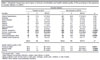
Empirical research is increasing our understanding of the relationship between SI and some medical conditions. For example, a recent systematic review found that individuals with migraine and non-migraine headaches (especially cluster and tension headaches) have a higher chance of experiencing SI and attempting suicide.4 It has also been observed that chronic headaches are more associated with suicidal behavior than episodic headache.4 While the amount of data is limited compared to high-income countries, the association between chronic pain and SI is well-known, even when accounting for psychiatric comorbidities.3 Although most research on chronic pain focuses on back/neck pain and chronic migraines, it seems that people with medically unexplained pain are more likely to report suicidal behavior than individuals whose pain has a clear medical cause.7 The association between gastroesophageal reflux and SI has been less studied than that between SI, chronic pain, and headache. A meta-analysis indicates a likely bidirectional causal relationship between anxiety/depression and gastroesophageal reflux disease, which could be an underlying mechanism for the association we found between gastroesophageal reflux and SI.8 The use of proton pump inhibitors to treat gastroesophageal reflux appears to be associated with both SI and depression, which could also explain this finding.9
Our findings presented in this letter provide valuable insights into the currently limited literature regarding the association between SI and medical comorbidities in a middle-income population. Future research should further explore this association, considering the high community prevalence of medical conditions such as chronic headache, chronic muscle pain, and gastroesophageal reflux. Shedding light on this problem can raise awareness among health care professionals about the need to address SI in patients in clinical settings and could help governments develop strategies and policies to improve medical care for this population.
ACKNOWLEDGEMENTS
PH has received sessional fees and lecture fees from the Australian Medical Council, Therapeutic Guidelines publication and New South Wales Institute of Psychiatry; she has also received research support from Coordenação de Aperfeiçoamento de Pessoal de Nível Superior (CAPES), National Health and Medical Research Council (NHMRC), and the Australian Research Council (ARC); she is chair of the National Eating Disorders Collaboration in Australia (2019-). JCA has received a research grant from Conselho Nacional de Desenvolvimento Científico e Tecnológico (CNPq).
 PDF
 Print
 Send this article by email
 How to cite this article
 Submit a comment
 Mendeley
 Pocket
 Share on Facebook
 Share on Twitter