



ABSTRACT:
OBJECTIVE: To evaluate the association between domain-based physical activity and C-reactive
protein levels in people with moderate to severe depressive symptoms.
METHODS: We included data from the National Health and Nutrition Examination Survey, collected
between 2017 and 2020. A total of 567 adults aged = 18 years (347 women, mean age:
46.3 years) classified with moderate to severe depressive symptoms according to the
Patient Health Questionnaire were included. The Physical Activity Questionnaire was
used to assess total and domain-based physical activity levels. A negative binomial
regression model was used for data analysis, adjusting for relevant confounders.
RESULTS: Leisure-time physical activity was associated with lower C-reactive protein levels
(incidence rate ratio = 0.77; 95%CI 0.66-0.90; p < 0.001). Transportation-related
and occupational physical activity were not associated with C-reactive protein levels.
CONCLUSIONS: Leisure-time physical activity was associated with lower C-reactive protein levels
in people with depressive symptoms, which suggests that promoting leisure-time physical
activity could be an important strategy for reducing inflammation in individuals with
depressive symptoms.
Keywords: Depressive symptoms; basal inflammation; health; physical activity.
| Note: How to cite this article: Cristovão CMT, Santo LAE, de Oliveira GCM, Werneck AO, Yoshida HM, Oliveira DCX. Association between domain-based physical activity and C-reactive protein in adults with moderate to severe depressive symptoms. Braz J Psychiatry. 2025;47:e20254404. http://doi.org/10.47626/1516-4446-2025-4404 |
| Received: June 30 2025; Accepted: October 13 2025 |
INTRODUCTION
Depressive disorders are among the leading causes of disability worldwide, affecting 280 million people, which is approximately 3.8% of the global population.1 There is increasing evidence that people with depressive disorders may present a low-grade inflammatory state, often measured by C-reactive protein (CRP) levels,2 which can influence neurotransmitter function.3 Therefore, higher inflammatory levels are commonly found in individuals with depression symptoms.2
Although pharmacological and psychotherapeutic treatment are generally effective, adherence is often limited, especially regarding medication, due to side effects such as weight gain and changes in metabolic parameters.4 Approximately one-third of patients do not respond adequately to conventional treatment, highlighting the need for alternative approaches. Physical activity could be a viable alternative.5,6
Evidence suggests a bidirectional relationship between depressive symptoms and physical activity; that is, individuals with depression tend to have a lower level of physical activity,7 and even modest amounts of exercise, such as 2.5 hours of brisk walking per week, can reduce the risk of depression by up to 25%.8 Higher levels of physical activity are also associated with lower inflammation, highlighting this lifestyle behavior as a complementary strategy in depression treatment.9
Physical activity can be obtained in different domains, such as leisure, transportation, or work, and these domains also have distinct characteristics; Leisure-time physical activity (LTPA) is a discretionary behavior focused on improving physical fitness and well-being in most cases, while transportation-related physical activity can be a discretionary behavior or a necessity-based behavior depending on the situation, and occupational physical activity is a necessity-driven behavior.10 LTPA involves characteristics that could result in higher protection against inflammation than the other domains, such as higher intensity, appropriate recovery time, low duration, and dynamic and unconstrained postures and activities.11 Although previous research has tended to include only healthy participants, it is important to investigate specific populations, such as individuals with depressive symptoms, in this regard, since they may have distinct neurophysiological and behavioral patterns.
Additionally, there are significant gaps in the literature, particularly regarding the association between different domains of physical activity and inflammation. Given its accessibility and potential to reduce inflammation,12 exercise could be a viable complementary approach for many patients.13
Therefore, the aim of the present study was to investigate the association between physical activity levels across different domains and serum CRP levels in individuals with depressive symptoms.
METHODS
This cross-sectional population-based study analyzed pre-pandemic data (2017-2020) from the National Health and Nutrition Examination Survey, which is conducted annually by the Centers for Disease Control and Prevention. For increased precision, this survey uses multi-stage stratified probability sampling to represent the general population of the United States. The following conditions were used as inclusion criteria: 1) participants aged = 18 years; 2) participants classified with depressive symptoms according to the Patient Health Questionnaire-9 cut-off point14 (i.e., these participants were not necessarily clinically diagnosed with major depressive disorder); 3) participants with serum CRP levels = 10 mg/L, since normal levels are typically < 10 mg/L (with a slight age-dependent increase), and mild inflammation and viral infections generally increase CRP levels to the 10-40 mg/L range.15 Although the initial sample consisted of 15,560 participants, after eliminating those who did not meet the inclusion criteria, 567 remained.
C-reactive protein
The serum samples were processed, stored, and sent to the Advanced Research Diagnostics Laboratory at the University of Minnesota for analysis. The vials were kept in appropriate freezing conditions (-30 °C) until they were sent to the laboratory for testing. A two-reagent immunoturbidimetric method was used. First, the sample is combined with a Tris buffer and incubated. The second reagent (latex particles coated with mouse anti-human CRP antibodies) is then added. In the presence of circulating CRP, the latex particles aggregate, forming immune complexes. These complexes cause an increase in light scattering that is proportional to the CRP concentration. The light absorbance resulting from this light scatter is read against a stored CRP standard curve. The concentration of CRP is determined from this line. Turbidity is measured at a primary wavelength of 546 nm (secondary wavelength of 800 nm). All the details of the biochemical analysis of the C-reative protein are presented on the website of the National Center for Health Statistics (https://wwwn.cdc.gov/Nchs/Data/Nhanes/Public/2017/DataFiles/P_HSCRP.htm)
Patient Health Questionnaire-9
Depressive symptoms were assessed with the Patient Health Questionnaire-9, a self-assessment instrument consisting of nine questions that correspond to the DSM-IV diagnostic criteria for depression. The frequency of these symptoms is determined over the last 2 weeks, with item scores from 0 (not at all) to 3 (almost every day).14,16 Total scores range from 0 to 27 points, and scores = 10 are considered to indicate moderate to severe symptoms.14 The questionnaire was applied at the Mobile Examination Centre by trained interviewers using the Computer Assisted Personal Interview system.
Physical activity level and sedentary behavior
The Physical Activity Questionnaire, which is based on the Global Physical Activity Questionnaire, was used to assess levels of physical activity and sedentary behavior.17 This questionnaire assesses the total time spent on physical activity and its intensity, distributed among different categories throughout the week, such as LTPA, transportation-related physical activity, and occupational physical activity. Sedentary behavior is estimated by the total time spent sitting on a typical weekday.
Covariates
The following sociodemographic factors were used, based on previous research18: sex (male or female), age (in years), used as a continuous variable; educational background (< 9th grade, 9th to 11th grade - including incomplete 12th grade, complete high school, incomplete higher education, or complete higher education); weekly alcohol consumption (< 1 drink per week; 2-3 drinks per week; = 3 drinks per week; every day ); current smoking (yes or no). Self-reported body mass index (body mass/height2) was used as a continuous variable.
Statistical analysis
The data were analyzed in Stata 14.2. The "survey" command was used in all analyses to account for sampling weights. Sample characterization was based on the proportion of sociodemographic and behavioral variables (sex, age, educational background, alcohol consumption, and smoking status) and average distribution of physical activity, sedentary behavior, and body mass index.
Negative binomial regression models were used to assess the association between CRP levels and the level of physical activity and depressive symptoms, considering the overdispersion of the outcome. The unadjusted and adjusted associations between CRP levels and the independent variables were expressed as incidence rate ratios (IRR) with 95%CI. The significance level was set at p < 0.05. In the adjusted analysis, variables with a p-value = 0.25 in the unadjusted analysis were included to account for potential confounders.19 To explore potential non-linearity in the association between LTPA and CRP, we employed a survey-weighted negative binomial regression model that incorporated restricted cubic splines (with knots placed at the 15th, 30th, and 60th percentiles of minutes/day). The Wald F-test was used to assess the overall model.
RESULTS
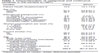
The mean age of the participants was 46.3 (95%CI 44.5-74.4) years, and 61.2% (95%CI 54.9-67.1) were women. The study participants are characterized in Table 1, including data on sex, education, alcohol consumption, smoking status, age, body mass index, physical activity level, and sedentary behavior.
| Variable | Value | 95%CI |
|---|---|---|
| Patient Health Questionnaire-9 | 13.5 | 13.1-13.9 |
| Sex (%) | ||
| Female | 61.2 | 54.9-67.1 |
| Male | 38.7 | 32.8-45.0 |
| Educational background (%) | ||
| < Grade 9 | 4.8 | 3.3-6.7 |
| Grades 9-12 (incomplete) | 9.1 | 6.7-12.2 |
| Complete high school | 30.6 | 25.3-36.5 |
| Incomplete higher education | 35.7 | 30.2-41.6 |
| Complete higher education | 19.7 | 14.1-26.7 |
| Alcohol consumption per week (%) | ||
| < 1 drink | 72.6 | 66.5-77.9 |
| 1-2 drinks | 13.6 | 9.9-18.3 |
| = 3 drinks | 11.8 | 7.9-17.3 |
| Every day | 1.9 | 0.9-3.9 |
| Current smoker (%) | ||
| No | 68.9 | 62.8-74.4 |
| Yes | 31.1 | 25.5-37.1 |
| Age | 46.3 | 44.5-48.2 |
| Body mass index | 30.5 | 29.5-31.4 |
| Total physical activity (min/week) | 205.7 | 172.0-239.4 |
| Occupational physical activity (min/week) | 21.9 | 17.9-26.0 |
| Leisure-time physical activity (min/week) | 36.8 | 28.4-45.3 |
| Transportation-related physical activity (min/week) | 2.0 | 1.5-2.8 |
| Time spent in sedentary behavior (min/week) | 386.6 | 357.6-407.5 |
Values reported as means, unless otherwise specified.
Values reported as means, unless otherwise specified.
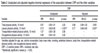
Table 2 shows the association between CRP and physical activity level in different categories (total physical activity, LTPA, transportation-related physical activity, and occupational physical activity). In the unadjusted analysis, LTPA level was associated with lower CRP rates in individuals with depressive symptoms (IRR = 0.73 [95%CI 0.63-0.85]). This association remained in the adjusted analysis (IRR = 0.77 [95%CI 0.66-0.90]).
| CRP | ||||||
|---|---|---|---|---|---|---|
| Unadjusted | Adjusted | |||||
| Variable | IRR | 95%CI | p-value | IRR | 95%CI | p-value |
| Total physical activity, 15 min/d | 0.97 | 0.93-1.01 | 0.23 | 0.99 | 0.96-1.03 | 0.951 |
| Leisure physical activity, 15 min/d | 0.73 | 0.63-0.85 | < 0.001* | 0.77 | 0.66-0.90 | 0.001* |
| Transportation-related physical activity, 15 min/d | 1.07 | 0.83-1.38 | 0.56 | - | - | - |
| Occupational physical activity, 15 min/d | 0.98 | 0.93-1.03 | 0.55 | - | - | - |
Variables adjusted for age, sex, alcohol consumption, body mass index, smoking, sedentary behavior, study time, transportation-related physical activity, and occupational physical activity.
CRP = C-reactive protein; IRR = incidence rate ratio.
* Statistically significant z-values (p < 0.05).
In the non-linearity analysis of the association between LTPA and CRP, the linear component of LTPA remained significant (IRR = 0.985, 95%CI 0.971-0.999, p = 0.030; Wald F-test: F[1,566] = 4.73, p = 0.030), whereas the spline term capturing non-linear effects was not significant (IRR = 0.985, 95%CI 0.936-1.036, p = 0.548; Wald F-test: F[1,566] = 0.36, p = 0.55). These results indicate no evidence for thresholds or plateaus, suggesting that the relationship between LTPA and CRP is adequately represented by a linear model.
DISCUSSION
We explored the associations between different domains of physical activity and serum CRP levels in participants with moderate to severe depressive symptoms, finding that higher LTPA was associated with lower CRP levels in individuals with moderate to severe depressive symptoms, while no associations were found for total physical activity or other physical activity domains.
Some studies have shown that the blood concentration of CRP is higher in people with depressive symptoms.3,20,21 This process may be explained by certain physiological mechanisms, such as low-grade inflammation (CRP > 3 mg/L), which could contribute to brain alterations that affect neurotrophic support, oxidative mechanisms, reduced glutamatergic and serotonergic neurotransmission, which negatively affect memory, mood, appetite, and sleep,22 impairing frontal pathways and executive function.23
The results of the present study corroborate the existing literature. For example, a previous study identified a negative association between physical activity and CRP in individuals with obesity and depressive symptoms.24 This reinforces the relationship between low physical activity levels and increased risk of depressive symptoms. In addition, previous research has found that a low physical activity level mediates the relationship between CRP and depressive symptoms in older adults.25 However, both of these studies only evaluated total physical activity and did not consider the different domains analyzed in the present study.
Our findings support the hypothesis that the benefits of physical activity may vary by domain, especially in individuals with depressive symptoms. In particular, LTPA, which is optional, is characterized by greater intensity and objectives related to physical fitness or psychological well-being.11 In contrast, occupational and transportation-related physical activity, which is often a result of necessity, is less intense, more repetitive, and may not allow sufficient recovery time.26 Furthermore, the context in which physical activity occurs (including factors such as autonomy, enjoyment, and supportive environments) plays a pivotal role in its mental health benefits.26
Thus, improvement in depression symptoms may be related to biological factors, such as inflammation,6,27 but also to psychosocial and environmental factors, such as a greater social interaction, the development of personal coping strategies, and exposure to the natural environment.6,27
Furthermore, exercise could influence depressive symptoms through a combination of neurobiological and behavioral mechanisms. Evidence indicates that physical activity at an intensity of 50-80% maximum heart rate or heart reserve for 30-60 min 1-3 times a week benefits individuals with depression.27 In this regard, LTPA can meet these conditions and maximize the benefits for this population. In addition, physical activity may promote neuroplasticity by increasing the expression of neurotrophic factors such as brain-derived neurotrophic factor, as well as by structural changes, which are linked to improved mood, cognition, and emotional regulation.27,28 Additionally, physical activity promotes the release of neurotrophins, which are associated with structural and functional brain changes, such as increased hippocampal volume, enhanced white matter integrity, and improved cerebral vascularization, all of which help alleviate depressive symptoms.29,30
In parallel, physical activity supports behavioral regulation strategies, including behavioral activation and cognitive control, which are essential in managing depressive symptoms.31 Furthermore, the psychosocial impact of physical activity could be relevant. Regular exercise has been associated with enhanced self-esteem through improvements in self-perception and body image, as well as through increased social support by facilitating interpersonal interactions, the acquisition of new skills, and the development of adaptive coping strategies.27 Thus, it seems plausible that LTPA helps improve mental health by promoting brain structural changes, enhancing psychosocial factors, and lowering inflammatory markers in individuals with depressive symptoms.
Both physiological and psychological mechanisms could explain the lower levels of low-grade inflammation in physically active people with depressive symptoms. Physical activity increases self-efficacy, self-esteem, and social support, while from a biological perspective, it can stimulate neuroplasticity mechanisms and growth in various brain regions, such as the hippocampus, prefrontal cortex, and anterior cingulate cortex. In addition, it can improve cerebral vascularization and increase hypothalamic-pituitary-adrenal axis regulation, thereby reducing the concentration of inflammatory markers and body adiposity. These changes can result in decreased inflammation, which is reflected in lower CRP concentrations.32-35 A review of the literature suggested that physical activity has antidepressant effects by reducing neuroinflammation and increasing the expression of PGC1a, which reduces pro-inflammatory cytokines and may increase the concentration of anti-inflammatory cytokines. Consequently, exercise influences monoaminergic neurotransmission, in part by modulating the release of pro-inflammatory cytokines.36
The 23% reduction in CRP level for each 15 minutes of LTPA per day may also be clinically relevant. A 23% reduction in CRP suggests a meaningful impact on low-grade systemic inflammation, which is particularly important in individuals with depressive symptoms, a group known to have elevated inflammatory markers. This magnitude of reduction is comparable to effects observed in clinical trials evaluating exercise interventions, which indicates that LTPA may play a significant role in mitigating inflammation and, potentially, in reducing depressive symptoms.33
The present study has some limitations, and the results should be interpreted with caution, since the cross-sectional design prevents an interpretation of causality. It is important to note that high CRP levels reflect general systemic inflammation and cannot be accurately extrapolated to specific inflammatory processes. There is no feasible device-based method to estimate domain-based physical activity, and self-reported assessments also involve bias in estimating time spent in physical activity, including recall and desirability biases that could also be domain-dependent, with better estimates for LTPA, considering that transportation-related and occupational physical activity can vary on a daily basis.
Additionally, our study did not include a comparative analysis with non-depressive individuals or a control reference group. Future studies could conduct these complementary analyses to corroborate our findings. Another key consideration is that we included participants with moderate to severe depressive symptoms who were not necessarily clinically diagnosed with major or minor depressive disorder. Therefore, participants with relevant depressive symptoms (whether assessed clinically or via self-report scales) may be considered in subthreshold depressive conditions, without meeting the diagnostic criteria for depressive disorder.37 It is important to emphasize that the clinical presentation of subthreshold depression is strongly indicative of depression disorder, and is considered a significant public health issue as it compromises quality of life.38 Nevertheless, our results suggest a potential area for further investigation in this context.
Our results indicate that LTPA is associated with lower CRP levels in individuals with depressive symptoms. This association suggests the importance of public health policy measures to encourage LTPA. Future prospective studies should investigate the association between domain-based physical activity and inflammation.
ACKNOWLEDGEMENTS
AOW was granted a postdoctoral fellowship by the Fundação de Amparo à Pesquisa do Estado de São Paulo (FAPESP; grant 2024/17640-7). The views expressed in this publication are those of the authors and not necessarily those of the involved institution.
DISCLOSURE
The authors report no conflicts of interest.
DATA AVAILABILITY STATEMENT
The data that support this study are available at the National Center for Health Statistics (https://www.cdc. gov/nchs/nhanes/index.html) [accessed 2024 Feb].
AUTHOR CONTRIBUTIONS
CMTC: Conceptualization, Formal analysis, Investigation, Methodology, Writing - original draft, Writing - review & editing.
LAES: Conceptualization, Formal analysis, Investigation, Methodology, Writing - original draft, Writing - review & editing.
GCMO: Writing - original draft, Writing - review & editing.
AOW: Conceptualization, Formal analysis, Investigation, Methodology, Writing - original draft, Writing - review & editing.
HMY: Writing - original draft, Writing - review & editing.
DCXO: Conceptualization, Project administration, Supervision, Writing - original draft, Writing - review & editing.
All authors have read and approved of the final version to be published.
Handling Editor: Gabriel Fries
 PDF
 Print
 Send this article by email
 How to cite this article
 Submit a comment
 Mendeley
 Pocket
 Share on Facebook
 Share on Twitter



