


| Note: How to cite this article: Pio RP, Ruwel AG, Dewes JVE, Madruga C, Roza TH, Spritzer DT, et al. The gambling landscape in Brazil: developing effective public health policies based on population survey data. Braz J Psychiatry. 2026;48:e20254546. Epub 2026 Feb 6. http://doi.org/10.47626/1516-4446-2025-4546 |
| Received: September 03 2025; Accepted: January 10 2026 |
Gambling, broadly defined as wagering something of value for the potential of a greater reward, is a rapidly expanding phenomenon in Brazil.1 Traditional modalities such as lotteries and casino games remain widespread, but a significant shift has occurred in recent years with the explosion of online betting.2
According to the third Brazilian National Alcohol and Drugs Survey (III BNADS, 2023), a nationally representative household survey that included 16,600 individuals aged 14 years or older selected through cluster sampling, 17.6% of Brazilians reported gambling in the previous 12 months - equivalent to nearly 28 million people. Of these, 32.1% of gamblers engaged in online sports betting. This represents the second most prevalent form of gambling nationwide, surpassed only by lotteries (71.3%), a long-standing activity in Brazilian culture.2
Given the rapidly increasing prevalence of this practice, understanding its potential harms becomes essential. The extent of gambling-related harm varies, but a significant proportion of gamblers will develop gambling disorder - a psychiatric condition characterized by persistent and recurrent maladaptive gambling behavior. Gambling disorder is frequently comorbid with other mental health conditions, such as major depression, anxiety disorders, and substance use disorders.3 It also contributes to substantial functional impairments, including deterioration of interpersonal relationships, job loss, financial instability, and increased psychological distress.4
Financial consequences are particularly severe in Brazil's current context. A recent report by the Brazilian Central Bank revealed that monthly spending on gambling ranged from R$18 billion to R$21 billion in 2024. Furthermore, in August of that year, five million individuals from families receiving social welfare benefits through the "Bolsa Família" program collectively transferred R$3 billion to gambling companies, with a median expenditure of R$100 per person.5 This highlights how gambling can disproportionately affect those who are economically vulnerable, potentially worsening cycles of poverty and inequality.
These findings are a direct reflection of the changing landscape of online sports betting in Brazil: Law No. 13,756/2018 legalized fixed-odds sports betting - a modality in which the payout is predetermined at the time the wager is placed6 - yet comprehensive regulation was only established five years later through Law No. 14,790/2023.7 This legislation entrusted the Ministry of Finance's Secretariat of Prizes and Bets (Secretaria de Prêmios e Apostas, SPA/MF) with oversight of the sector and was followed by normative instruments such as SPA/MF Ordinance No. 1,207/2024, which set out operational guidelines regarding advertising, anti-money laundering measures, and user protection.7,8
Although this legal framework represents progress, it remains insufficient from a public health perspective. Current regulations emphasize economic oversight while failing to address core issues such as the prevention of gambling-related harms and the protection of vulnerable populations. Gambling must therefore be understood not only as a regulated market, but as a significant source of psychosocial and psychiatric burden that demands coordinated health policies.9
As gambling - particularly in its online forms - continues to expand, Brazil faces a pressing public health challenge. Evidence-based strategies are urgently needed, with special attention to vulnerable groups such as adolescents and low-income individuals. The recent passage of Bill No. 2985/2023, which restricts gambling advertising, is a step forward; however, a broader shift is required, reframing gambling primarily as a public health concern rather than merely an economic or regulatory matter.8
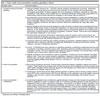
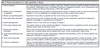
This perspective demands structural responses that go beyond individual responsibility. Instead, it requires collective measures based on principles of equity, prevention, and the reduction of avoidable harm. Drawing on III BNADS data and international best practices, a set of strategic public health recommendations has been developed to guide policy implementation and user protection efforts in Brazil (Boxes 1 and 2).2
| Strategic pillars | Recommendations |
|---|---|
| 1. Change the approach towards gambling | a) Although SPA/MF Ordinance No. 1,207/2024 requires gambling advertisements to promote "responsible gambling," this framing places the burden of harm prevention on the individual while simultaneously encouraging consumption. Evidence suggests that such messaging is ineffective, especially for vulnerable populations. Public policies should instead focus on restricting advertising, limiting access to gambling, and implementing evidence-based educational campaigns to denormalize high-risk behaviors.10-12 |
| b) An independent and autonomous regulatory authority should be established to oversee the gambling sector. While current legislation ascribes this role to the Ministry of Finance, institutional independence is essential to ensure impartiality, effective enforcement, and consumer protection. Regulatory models such as the United Kingdom Gambling Commission and Spain's Dirección General de Ordenación del Juego offer useful templates.12,13 | |
| c) Artificial intelligence (AI) tools should be deployed to verify documents and detect high-risk gambling behaviors. Real-time identity checks, based on government databases, can reduce fraud and prevent underage access. Moreover, AI can identify compulsive gambling profiles based on transactional patterns, thus enabling early interventions, including temporary restrictions or mandatory "cooldown" periods. These tools must be designed with appropriate safeguards for user privacy.11,12,14 | |
| d) Technical limits and dynamic self-exclusion mechanisms should be required. Users must be able to set personal thresholds for deposits and losses, with automatic blocks triggered upon reaching those limits. Such measures should comply with SPA/MF Ordinance No. 722/2024.10,11 | |
| e) Continuous behavioral monitoring and analytical reporting are necessary. Gambling platforms should provide systematic data to regulatory authorities, enabling early identification of suspicious transactions, privacy violations, and signs of problematic gambling.10,11 | |
| 2. Protect vulnerable groups | a) Law No. 14,790/2023 lacks clear restrictions on gambling advertising, contributing to widespread exposure and normalization of gambling, especially among youth. Advertising should be prohibited during times or on media accessible to minors. The use of celebrities and influencers should be restricted, and warning labels must be mandated, akin to those used in tobacco control campaigns.10-12 |
| b) Specific protections must be extended to high-risk populations, including low-income individuals and digital platform users. These may include mandatory registration, expansion of self-exclusion options, predefined financial caps, and usage monitoring with automated alerts and blocking features. Time-based restrictions - particularly limiting betting activity between 10:00 p.m. and 6:00 a.m. - may also reduce impulsive behaviors.10-12 | |
| 3. Inform the population | a) Brazil should implement permanent, science-based educational programs adapted to regional and cultural contexts. These initiatives must target youth and high-risk groups and be integrated into school systems and public health campaigns. Efforts should go beyond one-off campaigns and include tools for self-assessment and guidance on available support services.10-12 |
| b) Transparency requirements should oblige gambling operators to disclose odds of winning, average return-to-player (RTP) rates, and the financial risks involved. Although current regulations require the display of payout multipliers, they fall short in clearly communicating the statistical disadvantages and potential harms of gambling.10-12 | |
| 4. Invest and establish contributions | a) Current federal legislation does not define the specific allocation of taxes and other charges from gambling. It is therefore suggested to create a mandatory public fund, funded by gambling operators, aimed exclusively at independent research actions, educational campaigns, and treatment of conditions related to gambling. This model ensures transparency, methodological impartiality, and continuity of actions, avoiding dependence on private funding. These resources would enable the implementation of school and multimedia campaigns, expansion of the treatment and psychosocial support network, and support for intersectoral management involving civil society, researchers, and public managers, following practices recommended in the international literature.10-12 |
┼ Organized according to strategic pillars.
| 1. Talk to someone | If you think gambling may become a problem, seek help. Talking to someone outside the situation can help you find solutions. Organizations such as Gamblers Anonymous (Jogadores Anônimos, JA) or Psychosocial Care Centers (Centros de Atenção Psicossocial, CAPS) offer support.13 |
| 2. Reflect on your motivations for gambling | Identify the reasons why you gamble. Gambling should not be a compulsive habit or a way to solve financial problems. Do not use gambling as a strategy to get out of debt or make money quickly.13 |
| 3. Monitor your gambling activity | Keep track of how often you gamble and how much money you are spending.13 |
| 4. Seek high-quality information | Learn about the real risks of betting, the odds of losing, and the manipulation mechanisms employed by platforms. Knowledge is a powerful tool for protection.13 |
| 5. Define spending limits | Establish a limit on how much you can spend on betting.13 |
| 6. Take breaks between bets | Take regular breaks to avoid overload and addiction. Temporary blocks on gambling accounts can be used to maintain mental clarity and financial control.13 |
| 7. Protect your personal information | Never share your personal or banking information with third parties to open gambling accounts. This could expose you to criminal activity such as identity theft, fraud, or even involvement in other crimes.13 |
| 8. Avoid using substances when betting | Avoid consuming alcohol or other psychoactive substances while gambling, as this can impair judgment and self-control, and lead to impulsive decisions.13 |
| 9. Seek mutual aid groups | If you are experiencing gambling-related distress, consider seeking support from mutual aid groups. These groups can offer guidance, emotional support, and shared experiences to help you manage the situation.13 |
| 10. Talk to a professional | Talk to a trusted professional about your gambling behavior. If you have concerns about how gambling may be affecting you, discussing your feelings and experiences with a mental health or healthcare professional can be an essential step toward receiving appropriate support.15 |
ACKNOWLEDGEMENTS
The authors would like to thank the research team of the Third Brazilian National Alcohol and Drugs Survey (III BNADS) for granting access to the dataset and for their valuable contributions to the field of public health. We are also grateful to the Universidade Federal de São Paulo (UNIFESP) and the Brazilian National Secretariat on Drugs Policies (SENAD) for their ongoing support of research initiatives in Brazil. Special thanks are extended to our colleagues and collaborators for their insightful feedback during the preparation of this manuscript.
 PDF
 Print
 Send this article by email
 How to cite this article
 Submit a comment
 Mendeley
 Pocket
 Share on Facebook
 Share on Twitter