



ABSTRACT:
OBJECTIVE: To investigate changes in self-harm notifications and suicide mortality among children
and adolescents during the COVID-19 pandemic.
METHODS: We conducted a time-series analysis using data on self-harm notifications and suicide
deaths among individuals aged 5-19 years recorded in the Brazilian Notifiable Diseases
Information System (Sistema de Informação de Agravos de Notificação) and Brazilian
Mortality Information System (Sistema de Informações sobre Mortalidade), respectively.
Pre-pandemic data (March 2015-February 2020) were used to fit autoregressive integrated
moving average models to generate counterfactual estimates for the pandemic period.
Observed and expected rates were compared overall and stratified by sex, age, and
region. Segmented regression analyses assessed immediate and trend changes following
the onset of the pandemic.
RESULTS: A total of 176,458 self-harm notifications and 7,609 suicide deaths were recorded.
Self-harm notifications were more frequent among females (77%) and adolescents aged
15-19 years (70.8%). Suicide deaths occurred predominantly in males (67.7%) and, again,
adolescents aged 15-19 years (84.1%). The most common methods were self-poisoning
for self-harm (58.5%) and hanging for suicide (75.5%). During the pandemic, self-harm
notification rates were lower than expected based on pre-pandemic trends (observed:
5.8 per 100,000; expected: 16.4; 95% prediction interval [PI] 11.9-23.2), with a significant
immediate reduction in April 2020. In contrast, suicide mortality rates remained within
predicted ranges (observed: 0.23 per 100,000; expected: 0.25; 95%PI 0.17-0.39). Stratified
analyses were consistent overall, except for younger children.
CONCLUSIONS: The COVID-19 pandemic was associated with marked reductions in self-harm notifications
but not with changes in suicide mortality among Brazilian youth, underscoring the
importance of continuous surveillance to inform prevention strategies.
Keywords: Childhood; adolescence; self-harm; suicide; pandemic; time-series.
FIGURES
| Note: How to cite this article: Pinto JV, Almeida LG, Lino-Oliveira LH. Suicide and self-harm in children and adolescents during the COVID-19 pandemic in Brazil: a time-series analysis. Braz J Psychiatry. 2026;48:e20254454. Epub 2026 Feb 7. http://doi.org/10.47626/1516-4446-2025-4454 |
| Received: July 24 2025; Accepted: January 12 2026 |
INTRODUCTION
Suicide is a major global public health problem, accounting for approximately 720,000 deaths worldwide each year, with nearly 73% occurring in developing countries.1 Its risk factors span biological, sociodemographic, and psychosocial domains.1-3 Suicide is one of the leading causes of death among young people worldwide and ranks among the top four causes of mortality in Brazilian adolescents aged 15 to 19 years.1,4,5 Although less frequent in children, suicide risk is not negligible in this age group; studies estimate the prevalence of suicidal ideation at approximately 10.9% and suicide attempts at around 1.3% among children under 12 years of age.6
Self-harm behaviors exist on a spectrum, ranging from non-lethal injuries to suicide attempts to completed suicide.7-10 Non-suicidal self-injury (NSSI) represents a distinct but related public health outcome. It is substantially more prevalent than suicide deaths and constitutes one of the strongest predictors of future suicide, particularly in adolescents.11,12 However, suicide and self-harm arise from partially overlapping but not identical populations and mechanisms; therefore, trends in self-harm cannot be assumed to directly mirror trends in suicide deaths.11
Despite its public health relevance, the epidemiology of suicide and self-harm among children and adolescents remains underexplored in many low- and middle-income countries (LMICs). In Brazil, studies are scarce and of low quality.13 Epidemiological research in this area is further challenged by substantial underreporting, driven by stigma and systemic barriers, with estimates suggesting over 20 suicide attempts per completed suicide and even fewer records of NSSI.7,9,14,15 These limitations underscore the importance of analyses based on long-term, population-based surveillance data.
The COVID-19 pandemic represented an unprecedented global stressor, with profound social, economic, and healthcare disruptions.10,16,17 It substantially affected public health and mental well-being,18 causing social isolation and uncertainty and exacerbating psychological distress. Children and adolescents were particularly vulnerable, facing key stressors such as school closures, social isolation, and family losses.16,19,20 Early concerns predicted substantial increases in suicide and self-harm; however, empirical findings have been mixed. Studies from high-income countries reported stable or even reduced suicide rates during the early phases of the pandemic, while emergency department presentations and notifications for self-harm declined markedly.10,21,22 These reductions have been interpreted as reflecting changes in healthcare utilization and reporting practices rather than true decreases in underlying risk, particularly in light of rebound or delayed increases in emergency department presentations following the initial pandemic phase.10,21,23,24 Evidence from LMICs remains limited, particularly for children and adolescents. In Brazil, which accounted for 10% of global COVID-19 deaths in 2020, the overall suicide rate remained stable, though age-related and sex-specific variations were observed.23,24 However, most existing analyses focused on short-term pandemic effects and did not examine self-harm notifications alongside suicide mortality, nor did they focus on children and adolescents.
Given these gaps, important questions remain unanswered: whether suicide mortality and self-harm notifications among Brazilian children and adolescents followed similar or divergent trajectories during the pandemic; and whether any deviations from pre-pandemic trends persisted beyond the acute phase. Addressing these questions is essential for interpreting surveillance data, informing prevention strategies, and understanding the broader impact of large-scale societal disruptions on youth mental health.
The present study aimed to assess, using time-series analyses of national surveillance data, whether suicide mortality and self-harm notification rates among Brazilian children and adolescents during the COVID-19 pandemic period deviated from pre-pandemic expectations, overall and stratified by sex and age group.
METHODS
Study design and data sources
We conducted a national interrupted time-series (ITS) study examining self-harm notifications and suicide mortality among children and adolescents in Brazil using nationwide administrative health databases from 2015 to 2022. Data were obtained from the Brazilian Notifiable Diseases Information System (Sistema de Informação de Agravos de Notificação [SINAN]) and the Brazilian Mortality Information System (Sistema de Informações sobre Mortalidade [SIM]), both maintained by the Brazilian Ministry of Health and publicly available through the Brazilian Unified Health System DATASUS (Departamento de Informática do Sistema Único de Saúde)/TABNET platform.
Self-harm notifications were retrieved from SINAN, a public database which compiles mandatory reports from healthcare providers, enabling real-time health trend monitoring.15 Since 2011, self-harm behaviors are considered notifiable conditions and their reporting is thus mandatory by all public and private health facilities.25 SIM serves as the national mortality registry, including of suicide deaths.26 In Brazil, reporting of all suspected or confirmed violent deaths, including suicides, is mandatory and all such deaths undergo forensic investigation; the causes of death are then determined based on autopsy findings and contextual evidence.15 These causes are coded in SIM according to the ICD-10. The SIM database has nationwide coverage, with over 90% data completeness in most cities.15,27
The SINAN and SIM datasets are both publicly available via the DATASUS/TABNET platform, which provides aggregated counts without individual-level identifiers. Therefore, no individual record review, deduplication, or linkage across databases was possible.26 Population estimates were sourced from the Brazilian Institute of Geography and Statistics (Instituto Brasileiro de Geografia e Estatística). This study followed the Strengthening the Reporting of Observational Studies in Epidemiology (STROBE) and the Reporting of studies Conducted using Observational Routinely collected health Data (RECORD) guidelines.28,29
Population and variables
Inclusion criteria were school-aged children and adolescents aged 5 to 19 years, categorized into three age groups: 5-9, 10-14, and 15-19 years.9 Exclusion criteria included children younger than 5 years and adults, in addition to all notifications or deaths due to violence not classified as self-harm or suicide. Data from SINAN and SIM were filtered by age group (5-19 years) and study period (2015-2022). Self-harm notifications comprised all suspected or confirmed cases of violence recorded in SINAN/DATASUS, filtered by those classified under the "self-inflicted injury" category. In SINAN, self-harm notifications include both suicide attempts and NSSI. Suicide cases were identified in SIM using ICD-10 codes X60-X84.15
The main outcomes were the monthly self-harm notification rate per 100,000 population and the monthly suicide mortality per 100,000 population; however, the absolute frequencies of self-harm notifications and deaths by suicide were included as supplementary analyses. Due to the rarity of suicide deaths among children younger than 10 years, time-series modeling of suicide outcomes was restricted to individuals aged 10-19 years, as in previous studies.15,30
Definition of the pandemic period
Data were stratified into pre-pandemic and pandemic periods. The pandemic period was defined as beginning in March 2020, when the World Health Organization (WHO) declared COVID-19 a pandemic and nationwide sanitary measures were implemented in Brazil. This period extended until February 2022, shortly before the Brazilian Ministry of Health declared the end of the Public Health Emergency of National Concern (Emergência em Saúde Pública de Importância Nacional). The pre-pandemic period spanned 5 years preceding the pandemic, from March 2015 to February 2020, and was used to train the models.
Although considering the pandemic period as beginning in March 2020, we performed sensitivity analyses testing alternative time points in February 2020 and April 2020 to account for uncertainty in the timing of behavioral and healthcare-system changes.
Data management and cleaning
Data were extracted directly from the official Brazilian Ministry of Health surveillance platforms using predefined filters for age group (5-19 years) and study period (2015-2022). No additional data cleaning or transformation procedures were required beyond variable selection and eligibility criteria. Records with missing or unspecified information on sex were excluded from sex-stratified analyses. Records with missing or unspecified information on age were excluded from the overall and stratified analyses. No imputation of missing data was performed.
Statistical analysis
This time-series study analyzed self-harm and suicide data from SINAN and SIM, stratified by sex (male, female) and age group (5-9, 10-14, and 15-19 years). First, variable distributions, long-term trends, and seasonality were examined. Monthly time series were specified with a frequency of 12 observations per year, and rates were calculated by dividing monthly counts by the corresponding population estimate and multiplying by 100,000. To explore underlying temporal patterns, series were decomposed using Seasonal and Trend decomposition based on Loess (STL), enabling visual inspection of trend, seasonal, and irregular components.
Stationarity was assessed using the augmented Dickey-Fuller (ADF) test, and Box-Cox transformation was applied to stabilize variance. When non-stationarity was detected, seasonal and non-seasonal differencing were applied the required number of times. Autocorrelation function (ACF) and partial ACF (PACF) correlogram plots were used to guide autoregressive integrated moving average (ARIMA) model specification. Residual serial correlation was formally assessed using the Ljung-Box test, applied to the standardized residuals of fitted models. Model diagnostics were considered satisfactory when residuals approximated white noise.31
To model temporal patterns, the monthly rates of self-harm notifications and suicide deaths from the pre-pandemic period (March 2015 to February 2020) were used to construct ARIMA models. ARIMA consists of three components: autoregressive (AR) for past values, integrated (I) for differencing to achieve stationarity, and moving average (MA) for past errors. For time series with seasonal patterns, seasonal ARIMA (SARIMA) was applied.31
Observed-vs.-expected analysis using ARIMA models
The selected ARIMA or SARIMA models were then used to generate counterfactual forecasts for the 2-year pandemic period (March 2020 to February 2022). Forecasted (expected) monthly notifications and 95% prediction intervals (95%PI) were plotted against actual (observed) values for the pandemic period, allowing the identification of deviations outside the expected range. The model performances were evaluated by comparing expected vs. observed pandemic rates using mean absolute error (MAE), root mean squared error (RMSE), and mean absolute percentage error (MAPE), acknowledging that large MAPE values may arise in the presence of structural breaks. Additionally, the total number of expected notifications was estimated, along with monthly expected values and their 95%PI. Then, we calculated the percentage difference (%?) between observed and expected values as %? = (observed - expected)/expected × 100, to express how much the observed values diverged from the expected values.
Intervention and interrupted time-series analyses
To formally estimate the impact of the pandemic onset, ARIMA/SARIMA with exogenous variables (ARIMAX/SARIMAX) models incorporating step-function intervention terms were fitted to estimate permanent level changes. Sensitivity analyses evaluated alternative intervention months (February 2020, March 2020, April 2020) while holding the autoregressive structure constant.
As a complementary approach, segmented regression models were fitted within an ITS framework to estimate pre-pandemic trends, immediate level changes, and post-intervention trend changes. ITS models were estimated using generalized least squares with first-order autoregressive correlation structures to account for serial autocorrelation and using the months identified by ARIMAX/SARIMAX models as significant level changes.
All statistical analyses were conducted in R (RStudio). ARIMA/SARIMA models were identified using automated procedures and validated through manual inspection. Analyses of self-harm notification rates and suicide mortality were conducted using each database independently, and no probabilistic or deterministic linkage between SINAN and SIM was performed.
Ethics statement
This study exclusively used publicly available, secondary, anonymized, and administrative data with no identifiable participants. Given the use of aggregated secondary data, investigators had no access to individual-level records, and data cleaning was limited to consistency checks across time, age groups, sex, and geographic strata. Therefore, research ethics committee approval was not required.15
RESULTS
Self-harm
During the pre-pandemic period, 113,767 self-harm notifications were reported, predominantly among females (76.19%) and adolescents aged 15-19 years (70.54%), A similar distribution was observed during the pandemic, with a slightly higher proportion of females (78.5%) and adolescents aged 15-19 years (71.4%) (Table 1).
| Total | Pre-pandemic | Pandemic | |
|---|---|---|---|
| Self-harm | 176,458 | 113,767 | 62,691 |
| Sex | |||
| Female | 135,855 (76.99) | 86,674 (76.19) | 49,181 (78.45) |
| Male | 40,581 (22.00) | 27,086 (23.81) | 13,495 (21.53) |
| Not reported | 22 (0.01) | 7 (0.01) | 15 (0.02) |
| Age group, years | |||
| 5 to 9 | 2,467 (1.40) | 1,846 (1.62) | 621 (0.99) |
| 10 to 14 | 48,981 (27.76) | 31,674 (27.84) | 17,307 (27.61) |
| 15 to 19 | 125,010 (70.84) | 80,247 (70.54) | 44,763 (71.40) |
| Race/ethnicity | |||
| Asian | 1,499 (0.85) | 849 (0.75) | 650 (1.04) |
| Black | 10,704 (6.07) | 6,771 (5.95) | 3,933 (6.27) |
| Brown/mixed | 65,138 (36.91) | 40,550 (35.64) | 24588 (39.22) |
| Indigenous | 1,452 (0.82) | 935 (0.82) | 517 (0.82) |
| White | 82,080 (46.52) | 53,871 (47.35) | 28,209 (45.00) |
| Not reported | 15,585 (8.83) | 10,791 (9.49) | 4,794 (7.65) |
| Region | |||
| Central-West | 16,146 (9.15) | 9,677 (8.51) | 6,469 (10.32) |
| North | 8,804 (4.99) | 5,840 (5.13) | 2,964 (4.73) |
| Northeast | 27,267 (15.45) | 16,505 (14.51) | 10,762 (17.17) |
| South | 44,869 (25.43) | 30,541 (26.85) | 14,328 (22.85) |
| Southeast | 79,372 (44.98) | 51,204 (45.01) | 28,168 (44.93) |
| Suicide | 7,609 | 5,143 | 2,466 |
| Sex | |||
| Female | 2,461 (32.34) | 1,622 (31.54) | 839 (34.02) |
| Male | 5,148 (67.66) | 3,521 (68.46) | 1,627 (65.98) |
| Age group, years | |||
| 5 to 9 | 30 (0.39) | 21 (0.41) | 9 (0.36) |
| 10 to 14 | 1,182 (15.53) | 795 (15.46) | 387 (15.69) |
| 15 to 19 | 6,397 (84.07) | 4,327 (84.13) | 2,070 (83.94) |
| Race/ethnicity | |||
| Asian | 25 (0.33) | 16 (0.31) | 9 (0.36) |
| Black | 371 (4.88) | 245 (4.76) | 126 (5.11) |
| Brown/mixed | 3,887 (51.08) | 2,550 (49.58) | 1,337 (54.22) |
| Indigenous | 397 (5.22) | 283 (5.50) | 114 (4.62) |
| White | 2,802 (36.82) | 1,950 (37.92) | 852 (34.55) |
| Not reported | 127 (1.67) | 99 (1.92) | 28 (1.14) |
| Region | |||
| Central-West | 978 (12.85) | 659 (12.81) | 319 (12.94) |
| North | 1,309 (17.20) | 869 (16.90) | 440 (17.84) |
| Northeast | 1,814 (23.84) | 1,227 (23.80) | 587 (23.80) |
| South | 1,274 (16.70) | 869 (16.90) | 405 (16.42) |
| Southeast | 2,234 (29.36) | 1,519 (29.54) | 715 (28.99) |
Data presented as n (%).
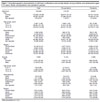
Regarding race/ethnicity, in the pre-pandemic period, cases were most common among white (47.35%) and brown/mixed-race individuals (35.64%), with similar proportions during the pandemic (45% and 39.22%, respectively) (Table 1). The most frequently reported methods in both pre-pandemic and pandemic periods were self-poisoning and self-harm with sharp objects (Supplementary Table S1).
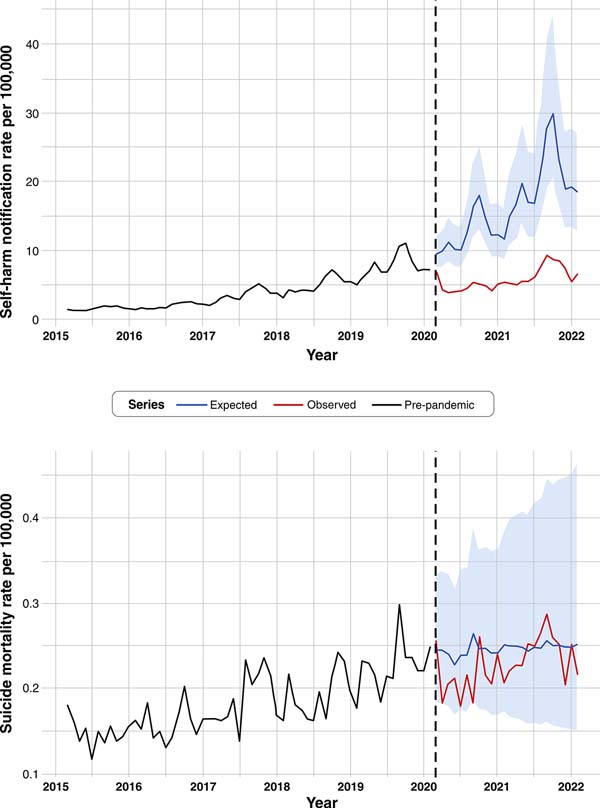
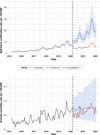
Time-series analyses showed an overall upward trend in self-harm notification rates before the pandemic, except among children aged 5-9 years. Following the onset of the COVID-19 pandemic, notification rates declined sharply from March to April 2020 onward (Figure 1 and Supplementary Figures S1-S17). In the overall sample, the observed mean monthly rate during the pandemic (5.80 per 100,000 inhabitants) was substantially lower than the counterfactual expectation based on pre-pandemic trends (16.41 per 100,000; 95%PI 11.90-23.23) (Table 2 and Supplementary Tables S2 and S3).
| Outcome | Sample | Observed | Expected | 95%PI | %? |
|---|---|---|---|---|---|
| Self-harm | Overall | 5.80 | 16.41 | 11.90-23.23 | -64.7 |
| Self-harm | Female | 9.31 | 25.64 | 18.76-35.26 | -63.7 |
| Self-harm | Male | 2.44 | 5.40 | 2.98-12.72 | -54.8 |
| Self-harm | 5 to 9 years | 0.18 | 0.21 | 0.06-0.39 | -14.3 |
| Self-harm | 10 to 14 years | 4.91 | 15.10 | 9.93-23.57 | -67.5 |
| Self-harm | 15 to 19 years | 11.86 | 32.79 | 23.50-46.53 | -63.8 |
| Self-harm | Central-West | 7.40 | 30.70 | 13.63-99.27 | -75.9 |
| Self-harm | North | 2.53 | 3.78 | 1.21-16,3 | -33.1 |
| Self-harm | Northeast | 3.45 | 10.19 | 4.96-23.19 | -66.1 |
| Self-harm | South | 9.92 | 27.80 | 19.40-39.51 | -64.3 |
| Self-harm | Southeast | 6.70 | 16.39 | 12.24-22.06 | -59.1 |
| Suicide | Overall | 0.23 | 0.25 | 0.17-0.39 | -8.0 |
| Suicide | Female | 0.16 | 0.14 | 0.08-0.26 | 14.3 |
| Suicide | Male | 0.29 | 0.31 | 0.21-0.41 | -6.5 |
| Suicide | 10 to 14 years | 0.11 | 0.12 | 0.06-0.23 | -8.3 |
| Suicide | 15 to 19 years | 0.55 | 0.57 | 0.38-0.84 | -3.5 |
| Suicide | Central-West | 0.37 | 0.33 | 0.16-0.55 | 12.1 |
| Suicide | North | 0.37 | 0.37 | 0.20-0.54 | 0.0 |
| Suicide | Northeast | 0.19 | 0.17 | 0.10-0.39 | 11.8 |
| Suicide | South | 0.28 | 0.29 | 0.14-0.59 | -3.4 |
| Suicide | Southeast | 0.17 | 0.19 | 0.11-0.33 | -10.5 |
Observed and counterfactual expected monthly mean rates of self-harm notifications and suicide mortality during the COVID-19 period, overall and stratified by sex, age group, and region. Counterfactual estimates were derived from autoregressive integrated moving average (ARIMA)/seasonal ARIMA (SARIMA) models fitted to pre-pandemic data. The 95% prediction interval (95%PI) reflects model uncertainty. Percentage change (%?) represents the relative difference between observed and expected values; negative values indicate rates below counterfactual expectations based on pre-pandemic trends.
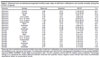
SARIMAX intervention models identified a statistically significant level reduction only when the intervention was specified as April 2020 (ß = -0.37, standard error [SE] = 0.09, p < 0.0001), with no evidence of an effect in February or March (Supplementary Tables S4 and S5). ITS regression corroborated these findings, showing a significant immediate reduction in April 2020 (ß = -3.21, SE = 0.71, p < 0.0001) and no change in post-intervention trend (Table 3 and Supplementary Table S6).
| Immediate level change | Change in trend | ||||||
|---|---|---|---|---|---|---|---|
| Outcome | Sample | ß | SE | p-value | ß | SE | p-value |
| Self-harm notification rate | Overall | -3.21 | 0.71 | < 0.0001 | 0.01 | 0.06 | 0.9886 |
| Self-harm notification rate | Female | -5.30 | 1.20 | < 0.0001 | 0.02 | 0.11 | 0.8806 |
| Self-harm notification rate | Male | -1.29 | 0.26 | < 0.0001 | -0.01 | 0.02 | 0.6274 |
| Self-harm notification rate | 5 to 9 years | -0.14 | 0.04 | 0.0006 | 0.002 | 0.003 | 0.5131 |
| Self-harm notification rate | 10 to 14 years | -3.37 | 0.06 | < 0.0001 | 0.06 | 0.06 | 0.3923 |
| Self-harm notification rate | 15 to 19 years | -6.02 | 1.36 | < 0.0001 | -0.03 | 0.11 | 0.7936 |
| Suicide mortality rate | Overall | -0.040 | 0.010 | 0.0064 | 0.0010 | 0.0010 | 0.3233 |
| Suicide mortality rate | Female | -0.040 | 0.010 | 0.0039 | 0.0020 | 0.0010 | 0.0074 |
| Suicide mortality rate | Male | -0.040 | 0.030 | 0.0681 | -0.0002 | 0.0020 | 0.8846 |
| Suicide mortality rate | 10 to 14 years | -0.002 | 0.020 | 0.9029 | -0.0003 | 0.0010 | 0.7662 |
| Suicide mortality rate | 15 to 19 years | -0.100 | 0.030 | 0.0026 | 0.0030 | 0.0020 | 0.1591 |
Interrupted time-series (ITS) regression models estimating changes in self-harm notification rates and suicide mortality rates associated with the onset of the COVID-19 pandemic. The immediate level change coefficient (ß) represents the abrupt change in outcome level following the intervention point, while the change in trend coefficient (ß) represents the difference between post- and pre-COVID-19 pandemic onset slopes. Models were fitted separately for the sample overall and stratified by sex and age group. SE = standard errors.
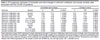
Sex- and age-stratified analyses revealed similar patterns. Among females, a significant level reduction was observed only in April 2020, whereas among males, reductions were detected in both March and April. By age group, significant reductions were observed among adolescents aged 10-14 and 15-19 years, with smaller and earlier effects among children aged 5-9 years (Table 3 and Supplementary Tables S4 and S6).
Marked regional heterogeneity was observed. The largest relative decline occurred in the Central-West region, followed by the Northeast, South, and Southeast, while reductions were more modest in the North. In all regions, observed rates remained below counterfactual expectations throughout the pandemic period (Table 2 and Supplementary Figures S18-S32).
Suicide
A total of 5,143 suicides were recorded during the pre-pandemic period, with 68.46% occurring in male and 31.54% in female individuals. Most cases were among adolescents aged 15-19 years (84.13%). During the pandemic period, 2,466 cases were recorded, 65.98% in male and 34.02% in female individuals. Most cases occurred in the age group 15-19 years (83.94%) (Table 1).
Most cases of suicide occurred among brown/mixed-race individuals in both pre-pandemic (48.58%) and pandemic periods (54.22%), followed by white individuals (37.92% and 34.55%, respectively) (Table 1). Hanging, strangulation, and suffocation accounted for approximately three-quarters of deaths in both periods (Supplementary Table S7).
Time-series inspection indicated that suicide mortality rates were relatively stable during the pre-pandemic period, with modest month-to-month variation and no marked secular trend (Figure 1 and Supplementary Figures S33-S46). Forecasts based on pre-pandemic data suggested a slightly higher expected level during the pandemic period than was observed, although observed values remained within the 95%PI. The predicted monthly average suicide rate was 0.25 deaths per 100,000 population (95%PI 0.17-0.39), whereas the observed average during the pandemic period was 0.23 deaths per 100,000 population (Table 2, Figure 1, and Supplementary Tables S8 and S9).
SARIMAX intervention models showed no significant changes when the intervention point was specified as February or March 2020. However, a statistically significant immediate reduction was observed when April 2020 was specified as the intervention point (ß = -0.37, SE = 0.16, p = 0.0208) (Supplementary Table S10 and S11). ITS regression yielded consistent results, indicating a small but statistically significant immediate reduction in April 2020 (ß = -0.04, SE = 0.01, p = 0.0064), with no evidence of a change in post-intervention trend (Table 3 and Supplementary Table S12).
Sex-stratified analyses showed weaker and less consistent effects. Among females, segmented regression identified an immediate reduction in April 2020, accompanied by a modest increase in the post-intervention trend, whereas SARIMAX models did not detect significant level changes. Among males, a significant reduction was observed only in SARIMAX models specifying April 2020, with no corresponding effect in segmented regression (Table 3 and Supplementary Tables S10 and S12).
Age-stratified analyses indicated a significant immediate reduction among adolescents aged 15-19 years in April 2020, while no significant changes were observed among those aged 10-14 years. Analyses among children aged 5-9 years were not performed due to sparse data (Table 3 and Supplementary Tables S10 and S12).
Regional analyses revealed modest heterogeneity, with slightly higher observed rates than expected in the Central-West and Northeast, stable patterns in the North, and lower-than-expected rates in the South and Southeast. However, in all regions, observed suicide mortality rates remained within the 95% PI of the counterfactual forecasts (Table 2 and Supplementary Figures S47-S61).
Sensitivity analyses excluding the final 3 and 6 months of the series did not substantively alter the results for both self-harm and suicide (Supplementary Table S13).
DISCUSSION
This nationwide time-series study examined trends in self-harm notifications and suicide mortality among children and adolescents in Brazil over a 7-year period encompassing the pre-pandemic and pandemic phases of COVID-19. The findings indicate a sustained increase in self-harm notification rates among adolescents prior to the pandemic, followed by a marked and abrupt decline in reported cases during the COVID-19 pandemic, particularly from April 2020 onwards. In contrast, suicide mortality remained broadly stable, following pre-pandemic trends, with only modest and short-lived deviations from expected levels. Taken together, these results reveal a divergence between self-harm notifications and suicide mortality during the pandemic period, underscoring the importance of considering these outcomes as related yet distinct phenomena. The findings also align with previous Brazilian studies reporting a decline in notifications at the onset of the pandemic among young people.15,23,24
Sociodemographic patterns and method distribution
Sociodemographic analyses showed that self-harm was more prevalent among females, whereas suicide was more frequent among males, a pattern widely documented in the literature.7,15,32 Self-harm notifications were more common among white individuals, while suicides were more frequent among those of mixed/brown race/ethnicity, which may, at least in part, reflect the underreporting of self-harm behaviors among racial minorities in Brazil. Self-poisoning was the most common self-harm method, followed by injuries with sharp objects, both generally considered less lethal methods. Conversely, suicides predominantly involved hanging and firearms, reflecting their higher lethality.32,33
Interpreting pandemic-related changes
The COVID-19 pandemic profoundly altered social environments, healthcare delivery, and daily routines, with substantial impacts on global mental health and well-being.16,19,20 Children and adolescents experienced school closures, social isolation, family stress, and bereavement, factors expected to exacerbate psychological distress, anxiety, and depression symptoms.16,19,20 These changes were expected to influence self-harm and suicide attempts, yet studies report inconsistent findings on pandemic-related suicide trends.10,22,34,35 Overall, suicide deaths during the pandemic did not deviate substantially from projected expectations, and no significant global increase in suicide rates was observed.10,22,34 However, the impact varied according to sociodemographic factors, such as sex and age group, and when suicide thoughts and behaviors were considered along a spectrum.15,18,23,36
Some studies found that self-harm, suicidal ideation, and suicide attempts among children and adolescents decreased at the beginning of the pandemic but later returned to expected levels.18,37 Others showed increases in self-harm and suicidal thoughts or behaviors, particularly among females.38,39 A systematic review and meta-analysis of pediatric emergency department visits before and during the pandemic found an increase in visits for suicidal ideation and attempts, while visits for other mental health indications (e.g., depression and psychosis) and general pediatric conditions declined. When suicidal ideation and attempts were analyzed together, there was strong evidence of increased emergency department visits among girls, with rises in self-harm observed mainly among older adolescents.36
In the present study, two non-mutually exclusive explanations may account for the observed reduction in self-harm notifications during the pandemic period. First, underreporting may have increased due to restricted healthcare access and reduced patient interactions with medical services, particularly in less severe cases, while suicide mortality was largely unaffected. This explanation is supported by international evidence of sharp declines in healthcare utilization during the period of strict social restrictions.17 Second, a genuine reduction in self-harm behaviors may have occurred due to increased parental supervision and reduction of school-related stressors, such as bullying and academic pressure, among children and adolescents at risk of suicide.40 Although social isolation negatively impacted mental health, closer family contact may have had protective effects.19,20
The precise contribution of these mechanisms cannot be determined within the scope of the present study and warrants further investigation. Nevertheless, the relative stability of suicide mortality during the pandemic suggests that any true reduction in self-harm behaviors was unlikely to be sufficiently large to translate into measurable declines in fatal outcomes. This reinforces the interpretation that changes in notification practices and care-seeking behavior played a substantial role in shaping the observed trends.
A major strength of this study is the use of two complementary nationwide surveillance systems, enabling a comprehensive analysis of self-harm and suicidal behaviors among young people across sex and age strata. The extended pre-pandemic period provided a robust baseline for modeling counterfactual trends, strengthening inference regarding pandemic-related deviations. Additionally, different analytical approaches were employed to investigate the phenomena assessed.
Several limitations must be acknowledged. First, self-harm notifications in SINAN are particularly vulnerable to underreporting, which likely intensified during lockdowns due to reduced access to emergency and primary healthcare services. This bias would tend to overestimate the magnitude of the apparent decline in self-harm during the pandemic. Second, underreporting is likely heterogeneous across regions and healthcare settings, reflecting longstanding inequalities in healthcare access and surveillance capacity. Third, changes in clinical guidance, reporting practices, or administrative procedures over the years may have influenced notification patterns independently of true behavioral changes. Fourth, self-harm has been a notifiable condition in Brazil for a shorter period than suicide mortality registration has been mandatory, and the rising pre-pandemic trend may partly reflect improvements in surveillance sensitivity over time rather than a true increase in incidence.15
Regarding suicide mortality, although SIM coverage exceeds 90% nationally, delays in death certification and registration may affect the most recent years of the series, potentially leading to slight underestimation toward the end of the study period. Nevertheless, such delays are unlikely to fully account for the observed stability of suicide rates during the pandemic.
Finally, limitations inherent to routinely collected administrative data include underreporting, potential misclassification of outcomes, and lack of individual-level covariates. As this is an ecological observational study based on aggregate data, causal mechanisms cannot be inferred. Our findings should, therefore, be interpreted as descriptive of population-level trends that generate hypotheses rather than explanatory of individual-level risk.
In conclusion, the long-term rise in self-harm notification rates, particularly among adolescents, is concerning. Given that suicide remains a leading cause of preventable death among young people, further research is essential to improve understanding and inform public health interventions. Our study reinforces the need for healthcare professionals to accurately report cases of self-harm, suicide attempts, and suicide deaths in children and adolescents, as high-quality surveillance data are crucial for guiding epidemiological studies and identifying those at risk.
The divergence observed during the COVID-19 pandemic, characterized by stable suicide mortality alongside a sharp decline in self-harm notification rates, highlights the importance of interpreting surveillance data within their broader healthcare and social contexts. These findings underscore the need to strengthen the completeness and resilience of self-harm surveillance systems, particularly during periods of societal disruption.
Integration of high-quality epidemiological data analysis from the public health system with mental health support delivered in community healthcare settings - with a focus on early identification and intervention - is urgently needed to expand access to care and reduce mental distress among children and adolescents.36
 PDF
 Print
 Send this article by email
 How to cite this article
 Submit a comment
 Mendeley
 Pocket
 Share on Facebook
 Share on Twitter



