 Marianna de Abreu" />
, Homero Vallada




ABSTRACT:
OBJECTIVE: Flourishing, a holistic concept encompassing multiple domains of well-being, has gained
significant interest in recent years. However, validated tools for measuring flourishing,
mainly using VanderWeele's framework, remain unavailable for Brazilian Portuguese-speaking
populations. This article describes the translation into Brazilian Portuguese, cross-cultural
adaptation, and validation of the resulting versions of the Flourishing Index (FI)
and Secure Flourishing Index (SFI).
METHODS: The instruments were translated and adapted following international guidelines for
cross-cultural adaptation of self-report measures. In Study 1, psychometric properties
were examined using exploratory factor analysis (EFA) in a general-population sample
(n=359). Construct validity was assessed by correlating FI/SFI scores with quality
of life, depression, anxiety, and posttraumatic growth. In Study 2, confirmatory factor
analysis (CFA) was conducted in a sample of individuals with moderate depressive symptoms
(n=252) to confirm the factor structure. Reliability and validity were evaluated in
both samples.
RESULTS: EFA identified a five-factor structure for the FI and a six-factor structure for the
SFI, consistent with prior studies. Cronbach's alpha ranged from 0.60 to 0.86, supporting
internal consistency. CFA confirmed the multidimensional structures with appropriate
fit indices (root-mean-square error of approximation [RMSEA] < 0.08, standardized
root-mean-square residual [SRMR] < 0.08). Construct validity analyses demonstrated
significant correlations between FI/SFI and mental health, quality of life, and posttraumatic
growth.
CONCLUSION: The Brazilian Portuguese versions of the FI and SFI demonstrated appropriate psychometric
properties, enabling comprehensive assessments of flourishing in diverse contexts.
These validated tools can now be used to support flourishing research and intervention
evaluation in Brazil.
Keywords: Flourishing Index; validation; well-being; psychometric properties.
FIGURES
| Note: How to cite this article: Gonçalves JPB, Costa MA, Rocha NS, Manfro G, Alvarenga WA, Moreira-Almeida A, et al. Translation and cross-cultural validation of the Flourishing and Secure Flourishing Indexes into Brazilian Portuguese. Braz J Psychiatry. 2025;47:e20254216. http://doi.org/10.47626/1516-4446-2025-4216 |
| Received: May 07 2025; Accepted: May 17 2025 |
INTRODUCTION
Human flourishing is deeply rooted in the Aristotelian ideal of optimal mental health and well-being.1 Although related to well-being and quality of life, flourishing is a broader and more integrative construct that extends beyond hedonic well-being and life satisfaction; it incorporates positive emotions and psychological well-being, virtues, meaning, and purpose, aligning it with the concept of eudaimonia.2
Different models of flourishing have been proposed over the years. Keys3 introduced flourishing as the "presence of mental health," which he defined as high levels of emotional, psychological, and social well-being. Diener et al.4 understand flourishing as a measure of well-being which includes life satisfaction, happiness, meaning, and purpose. On the other hand, Seligman's model supports the idea of flourishing as having five pillars of well-being: positive emotion, engagement, relationships, meaning, and accomplishment (PERMA).5 Even though these models provide essential insights into flourishing, they primarily emphasize psychological well-being and individual fulfillment.
More recently, researchers have expanded the concept of flourishing to encompass a more comprehensive view of human development and well-being.6 VanderWeele proposed a new multidimensional model of personal flourishing which integrates six domains: i) happiness and life satisfaction; ii) mental and physical health; iii) meaning and purpose; iv) character and virtue; v) close social relationships; and vi) financial and material stability.2,7 VanderWeele's model advances previous frameworks by incorporating both eudaimonic and hedonic components of well-being, with both material and social conditions contributing to a flourishing life.
According to this model, flourishing is defined as "the relative attainment of a state in which all aspects of a person's life are positive."2,6 This multidimensional concept includes a more nuanced and expansive framework for understanding personal flourishing, moving beyond traditional psychological measures and incorporating broader aspects of well-being that contribute to a life well-lived.
Recent evidence has supported the role of flourishing as an important predictor of both mental and physical health, being associated with lower levels of depression and anxiety,8 fewer suicidal thoughts,9 higher levels of resilience10 and religiosity/spirituality,11 and better adaptation to disabilities.12 By emphasizing strengths, virtues, and meaning, flourishing contributes to a more comprehensive understanding of mental health that aligns with preventive and therapeutic approaches in clinical practice.
As our understanding of flourishing grows, so does the development of instruments designed to measure it. Over the past decade, different tools have been developed to assess various aspects of flourishing. A recent scoping review provided an overview of the instruments currently available for this purpose.13 While multiple tools are available, they vary in scope, with some focusing more on mental health while others integrate broader social and physical components of well-being.
Significantly, there is still a dearth of instruments with suitable psychometric properties for assessment of flourishing in Brazil and Brazilian Portuguese-speaking populations. Although flourishing scales from the perspective of Keys,14 Diener4 (as cited in Rando et al.15), and Seligman16 have been adapted for the Brazilian context, the new conceptual framework of Tyler VanderWeele and his flourishing scales - the Flourishing Index (FI) and Secure Flourishing Index (SFI) - remain unavailable for the Brazilian population. These instruments have great potential utility in Brazil because they are simple, concise, applicable, and comprehensive, and have been widely used worldwide.2 Furthermore, previous international studies have already documented suitable psychometric properties for both the original instruments7 and several translated versions, such as those developed in Denmark,17 Germany,18 and France.19
Making available a flourishing instrument underpinned by a new concept will contribute to the growing field of flourishing research and provide valuable insights into how flourishing manifests in distinct cultural contexts. Moreover, the availability of psychometrically tested instruments will facilitate the assessment of flourishing and evaluation of interventions targeting it in Brazil, contributing to the broader goal of enhancing both mental and physical health outcomes.
Thus, our first objective was to translate and cross-culturally adapt the FI and the SFI into Brazilian Portuguese. Then, in two studies, we demonstrated the psychometric properties of the resulting instruments: in Study 1, we investigated the reliability and validity and carried out an exploratory factor analysis (EFA) of both instruments on a general population sample; in Study 2, we assessed their factor structures using confirmatory factor analysis (CFA) on a sample with moderate depressive symptoms.
TRANSLATION AND CROSS-CULTURAL ADAPTATION
The FI and the SFI are self-rated Likert-format scales (ranging from 0 = not satisfied at all to 10 = completely satisfied) that assess human flourishing.2 These instruments are aligned with a broad conceptualization of flourishing and evaluate multiple dimensions of well-being.2,7 The FI scale consists of 10 items grouped into five domains of two items each: happiness and life satisfaction; physical and mental health; meaning and purpose of life; character and virtue; and intimate social relationships. The SFI scale retains these five and adds a sixth domain, material and financial stability, for a total of 12 items. The overall scores of the FI and SFI weigh equally and can be calculated as a final means. Arithmetic means can also be calculated for each domain after collection of the respective items for specific analyses.
Method
The translation and cross-cultural adaptation of the FI and SFI followed the standard methodology for this purpose,20 consisting of the steps below:
- Permission - We approached the instrument developer and obtained his permission to translate it into Brazilian Portuguese.
- Initial translations - We invited two independent researchers, fluent in both English and Brazilian Portuguese, to translate the documents from English to Brazilian Portuguese.
- Synthesis of translations - We scheduled a reconciliation stage with the research team to search for discrepancies between the translations. The aim was to achieve a complete consensus on cultural and linguistic equivalence.
- Back-translation - We performed back-translation from Brazilian Portuguese to English with the original translators.
- Expert committee review - We invited a native English speaker to compare the original instrument with the back-translation.
Results
- One of the authors (NSR) obtained permission from the instruments' developer, Prof. Tyler VanderWeele, to translate the SFI and FI. (It is worth noting that both are open-access measures, which anyone can use provided they cite the original article.)
- Four researchers (three psychiatrists and one psychologist) with clinical expertise in mental health, experience with positive psychology and flourishing, and proficiency in English independently translated the scales from English to Brazilian Portuguese.
- The research team for the reconciliation stage consisted of four professionals, including psychiatrists with expertise in quality-of-life/spirituality questionnaires, a senior psychologist, and English and Portuguese teachers. They discussed the translations and agreed that no modifications were needed to the items.
- After analysis of the consensus version and exchanges among themselves, the original translators ensured that the intended meaning was preserved. (The definitive version of the Brazilian Portuguese translation and the English original are presented in the Supplementary Table S1.)
- A collaborator of the original author's research group ensured that the back-translated scales preserved the intended meaning, compared them with the original scales, and approved the back-translations.
STUDY 1
Study 1 was a survey designed to assess the association between positive and negative mental health outcomes in a convenience sample during the COVID-19 pandemic. Subsequently, the study conducted reliability, validity, and EFA of the Brazilian Portuguese versions of the SFI and FI on this general population sample.
Method
Participants
The Study 1 sample was explicitly collected to assess flourishing and mental health outcomes. Participants were included if they were aged 18 years or older, currently living in Brazil, native Brazilian Portuguese speakers, and had internet access. A total of 359 individuals answered the survey and were included in the analysis. They were mostly women (82.4%), married or cohabitating (52.9%), with a postgraduate education (51%), and some form of religious affiliation (84.4%). The mean age of the sample was 42.75 years (SD = 14.18).
Procedure
Study 1 was carried out from July to November 2020. Participants were recruited through private and institutional social media channels of Hospital de Clínicas de Porto Alegre (HCPA), a tertiary referral hospital in Southern Brazil. The invitation included an online questionnaire consisting of several self-reported instruments.
Instruments
The following instruments were collected:
- Post-Traumatic Growth Inventory (PTGI): a 21-item questionnaire that assesses positive psychological development in traumatic situations. It has been adapted and validated in Portuguese.21,22 Higher scores represent higher levels of post-traumatic growth.
- Patient Health Questionnaire (PHQ-9): a 9-item scale for screening major depressive episodes, validated in Portuguese.23 Answers are provided in Likert format; higher scores represent higher levels of depressive symptoms.
- Generalized Anxiety Disorder (GAD-7): a 7-item scale that assesses generalized anxiety disorder. It has been validated in Portuguese.24 Answers are provided in Likert format; higher scores represent more anxiety symptoms.
- Europe Health Interview Surveys Quality of Life (EUROHIS-QOL): a brief version of a Likert-type quality-of-life scale which includes eight items. It has been validated in Portuguese.25 Higher scores represent better quality of life.
- Sociodemographic questionnaire: consisting of age (years), gender (male vs. female), education (postgraduate vs. undergraduate/others), marital status (single/separated vs. cohabitating/married), and religion (affiliated vs. non-affiliated).
Data analyses
For this study, statistical analyses were carried out using R version 4.1.1 and Stata 13. First, descriptive statistics were calculated and the Kaiser-Meyer-Olkin (KMO) test and Barlett's sphericity test were performed to measure the suitability of the sample. Then, a parallel-analysis scree plot was created to estimate the number of factors for each scale. Since the previous validation study7 of the FI and SFI tested different factor solutions for the two scales, we decided to follow the same approach, using one- to five-factor (FI) and one- to six-factor (SFI) solutions in the EFA through varimax rotation. For each solution, we calculated the root-mean-square error of approximation (RMSEA), standardized root-mean-square residual (SRMR), proportion variance, and cumulative variance. The model fits were estimated using the following cutoffs: RMSEA < 0.08, SRMR < 0.08, comparative fit index (CFI) = 0.90, and Tucker-Lewis Index (TLI) = 0.95.17
Then, reliability measures were determined for the best-factor solutions and the one-factor solution using Cronbach's alphas (cutoff > 0.70). Omega hierarchical and total omega were also used to assess essential unidimensionality and to predict structural coefficient bias (cutoff > 0.80).26
Construct validity was then evaluated by presenting correlations (Pearson coefficients) between a measure of a construct and some other measures that should, theoretically, be associated with it (convergent validity) or vary independently of it (discriminant validity).27 We expected to find positive correlations of SFI and FI with posttraumatic growth and quality of life and negative correlations with depressive and anxiety symptoms.
Ethics statement
The HCPA Research Ethics Committee approved the study protocol (CAAE: 32764620.0.0000.5327), and all respondents provided written informed consent.
Results
Concerning the validation and psychometric analysis, the sample proved suitable for EFA (KMO = 0.85, Bartlett's test = 259.39, degrees of freedom (df) = 11, p < 0.001). Parallel-analysis scree plots denoted a five-factor solution for the FI and a six-factor solution for the SFI (Supplementary Material S1).
Table 1 shows the different solutions (ranging from unidimensional to five factors for the FI and from unidimensional to six factors for the FI). According to the scores obtained on model fit measures, the best solutions were the five-factor solution for the FI and the six-factor solution for the SFI.
| 1 factor | 2 factors | 3 factors | 4 factors | 5 factors | |||||||||||
|---|---|---|---|---|---|---|---|---|---|---|---|---|---|---|---|
| FI (10 items) | MR1 | MR1 | MR2 | MR1 | MR2 | MR3 | MR1 | MR2 | MR3 | MR4 | MR1 | MR2 | MR3 | MR4 | MR5 |
| If1 | 0.772 | 0.699 | 0.746 | 0.697 | 0.885 | ||||||||||
| If2 | 0.726 | 0.719 | 0.767 | 0.721 | 0.564 | ||||||||||
| If3 | 0.492 | 0.444 | 0.350 | 0.352 | 0.567 | ||||||||||
| If4 | 0.826 | 0.784 | 0.564 | 0.597 | 0.650 | ||||||||||
| If5 | 0.830 | 0.777 | 0.767 | 0.715 | 0.699 | ||||||||||
| If6 | 0.749 | 0.658 | 0.770 | 0.647 | 0.762 | ||||||||||
| If7 | 0.630 | 0.553 | 0.424 | 0.571 | 0.926 | ||||||||||
| If8 | 0.481 | 0.389 | 0.330 | 0.515 | 0.330 | ||||||||||
| If9 | 0.735 | 0.899 | 0.819 | 0.772 | 0.881 | ||||||||||
| If10 | 0.744 | 0.771 | 0.804 | 0.816 | 0.722 | ||||||||||
| RMSEA | 0.175 | 0.142 | 0.092 | 0.093 | 0 | ||||||||||
| SRMR | 0.07 | 0.05 | 0.04 | 0.02 | 0 | ||||||||||
| Proportion var | 0.50 | 0.35 | 0.21 | 0.22 | 0.18 | 0.21 | 0.18 | 0.17 | 0.17 | 0.13 | 0.16 | 0.17 | 0.13 | 0.15 | 0.12 |
| Cumulative var | 0.50 | 0.56 | 0.61 | 0.65 | 0.73 | ||||||||||
| 1 factor | 2 factors | 3 factors | 4 factors | 5 factors | 6 factors | ||||||||||||||||
|---|---|---|---|---|---|---|---|---|---|---|---|---|---|---|---|---|---|---|---|---|---|
| SFI (12 items) | MR1 | MR1 | MR2 | MR1 | MR2 | MR3 | MR1 | MR2 | MR3 | MR4 | MR1 | MR2 | MR3 | MR4 | MR5 | MR1 | MR2 | MR3 | MR4 | MR5 | MR6 |
| If1 | 0.772 | 0.766 | 0.728 | 0.747 | 0.700 | 0.883 | |||||||||||||||
| If2 | 0.725 | 0.723 | 0.740 | 0.767 | 0.721 | 0.565 | |||||||||||||||
| If3 | 0.497 | 0.482 | 0.456 | 0.350 | 0.354 | 0.556 | |||||||||||||||
| If4 | 0.823 | 0.823 | 0.812 | 0.568 | 0.598 | 0.664 | |||||||||||||||
| If5 | 0.828 | 0.826 | 0.806 | 0.769 | 0.703 | 0.675 | |||||||||||||||
| If6 | 0.753 | 0.741 | 0.685 | 0.776 | 0.637 | 0.789 | |||||||||||||||
| If7 | 0.631 | 0.626 | 0.579 | 0.426 | 0.455 | 0.922 | |||||||||||||||
| If8 | 0.476 | 0.485 | 0.420 | 0.339 | 0.564 | 0.329 | |||||||||||||||
| If9 | 0.733 | 0.735 | 0.860 | 0.810 | 0.774 | 0.885 | |||||||||||||||
| If10 | 0.740 | 0.745 | 0.723 | 0.793 | 0.811 | 0.725 | |||||||||||||||
| If11 | - | 0.880 | 0.850 | 0.835 | 0.851 | 0.873 | |||||||||||||||
| If12 | - | 0.814 | 0.841 | 0.856 | 0.839 | 0.818 | |||||||||||||||
| RMSEA | 0.158 | 0.127 | 0.127 | 0.081 | 0.08 | 0 | |||||||||||||||
| SRMR | 0.06 | 0.04 | 0.04 | 0.03 | 0.02 | 0 | |||||||||||||||
| Proportion var | 0.42 | 0.41 | 0.12 | 0.33 | 0.12 | 0.14 | 0.19 | 0.12 | 0.15 | 0.18 | 0.15 | 0.14 | 0.14 | 0.12 | 0.11 | 0.13 | 0.12 | 0.15 | 0.10 | 0.13 | 0.10 |
| Cumulative var | 0.42 | 0.53 | 0.59 | 0.64 | 0.67 | 0.74 | |||||||||||||||
FI = Flourishing Index; RMSEA = root-mean-square error of approximation; SFI = Secure Flourishing Index; SRMR = standardized root-mean-square residual.
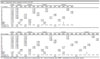
Concerning reliability, Cronbach's alphas were satisfactory for both scales and d1 (Happiness and Life Satisfaction), d2 (Mental and Physical Health), d3 (Meaning and Purpose), d5 (Close Social Relationships), and d6 (Financial and Material Stability). However, the d4 domain (Character and Virtue, items 7 and 8) yielded an alpha of 0.60. The unidimensional solution yielded an alpha of 0.86, and the hierarchical omega and total omega were 0.83 and 0.92, respectively, supporting the scale's unidimensional use (Supplementary Material S1).
Analysis of correlation between items of the scale showed that items were moderately to strongly correlated, except for items 11 and 12 (d6 - Material and Financial Stability), which, although correlated with each other, were only weakly correlated to the other items (Supplementary Material S1).
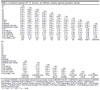
Concerning convergent and discriminant validity, construct validity was assessed and significant correlations were found for FI and SFI, resulting in greater quality of life, lower depression and anxiety levels, and more significant posttraumatic growth (Table 2).
| SFI | 1.00 | ||||||||||||||||||
| FI | 0.94*** | 1.00 | |||||||||||||||||
| D1 | 0.78*** | 0.83*** | 1.00 | ||||||||||||||||
| D2 | 0.76*** | 0.80*** | 0.62*** | 1.00 | |||||||||||||||
| D3 | 0.81*** | 0.85*** | 0.61*** | 0.63*** | 1.00 | ||||||||||||||
| D4 | 0.67*** | 0.72*** | 0.50*** | 0.43*** | 0.54*** | 1.00 | |||||||||||||
| D5 | 0.76*** | 0.81*** | 0.57*** | 0.54*** | 0.60*** | 0.48*** | 1.00 | ||||||||||||
| D6 | 0.47*** | 0.16*** | 0.14*** | 0.15*** | 0.16*** | 0.08 | 0.11* | 1.00 | |||||||||||
| PHQ-9 | -0.66*** | -0.69*** | -0.52*** | -0.66*** | -0.64*** | -0.41*** | -0.53*** | -0.13* | 1.00 | ||||||||||
| GAD-7 | -0.61*** | -0.63*** | -0.47*** | -0.63*** | -0.57*** | -0.38*** | -0.49*** | -0.13* | 0.79*** | 1.00 | |||||||||
| EUROHIS | 0.70*** | 0.71*** | 0.57*** | 0.68*** | 0.60*** | 0.41*** | 0.55*** | 0.20*** | -0.67*** | -0.55*** | 1.00 | ||||||||
| EUROHIS FUN CAP | 0.65*** | 0.68*** | 0.55*** | 0.70*** | 0.60*** | 0.40*** | 0.49*** | 0.13* | -0.68*** | -0.56*** | 0.93*** | 1.00 | |||||||
| EUROHIS SOC COND | 0.61*** | 0.59*** | 0.49*** | 0.52*** | 0.49*** | 0.34*** | 0.52*** | 0.25*** | -0.51*** | -0.43*** | 0.88*** | 0.65*** | 1.00 | ||||||
| PTGI | 0.18*** | 0.19*** | 0.16** | 0.11* | 0.19*** | 0.16** | 0.15** | 0.05 | -0.13* | -0.06 | 0.19*** | 0.21*** | 0.12* | 1.00 | |||||
| PTGI RELAT | 0.19*** | 0.18*** | 0.13* | 0.08 | 0.18*** | 0.14** | 0.18*** | 0.07 | -0.12* | -0.04 | 0.19*** | 0.17** | 0.17** | 0.93*** | 1.00 | ||||
| PTGI POSSIB | 0.20*** | 0.21*** | 0.19*** | 0.14** | 0.20*** | 0.16** | 0.13* | 0.06 | -0.16** | -0.09 | 0.21*** | 0.24*** | 0.14** | 0.91*** | 0.78*** | 1.00 | |||
| PTGI PER STR | 0.18*** | 0.18*** | 0.15** | 0.11* | 0.19*** | 0.19*** | 0.11* | 0.04 | -0.13* | -0.06 | 0.15** | 0.20*** | 0.07 | 0.91*** | 0.78*** | 0.82*** | 1.00 | ||
| PTGI SPI CHAN | 0.09 | 0.12* | 0.11* | 0.07 | 0.11* | 0.12* | 0.07 | -0.04 | -0.07 | -0.04 | 0.06 | 0.09 | -0.01 | 0.74*** | 0.64*** | 0.58*** | 0.63*** | 1.00 | |
| PTGI APREC LIFE | 0.09 | 0.10 | 0.09 | 0.03 | 0.09 | 0.07 | 0.10* | 0.01 | -0.08 | -0.03 | 0.14** | 0.17*** | 0.07 | 0.87*** | 0.74*** | 0.77*** | 0.78*** | 0.57*** | 1.00 |
| SFI | FI | D1 | D2 | D3 | D4 | D5 | D6 | PHQ-9 | GAD-7 | EUROHIS | EUROHIS FUN CAP | EUROHIS SOC COND | PTGI | PTGI RELAT | PTGI POSSIB | PTGI PER STR | PTGI SPI CHAN | PTGI APREC LIFE |
D = domain; EUROHIS = Europe Health Interview Surveys Quality of Life; EUROHIS FUN CAP = EUROHIS Functional Capacity; EUROHIS SOC COND = EUROHIS Social Conditions; FI = Flourishing Index; GAD-7 = Generalized Anxiety Disorder; PHQ-9 = Patient Health Questionnaire; PTGI = Post-Traumatic Growth Inventory; PTGI APREC LIFE = PTGI Appreciation of Life; PTGI MUD ESP = PTGI Spiritual Change; PTGI MUD PESS = PTGI Personal Strength; PTGI POSSIB = PTGI New Possibilities; PTGI RELAT = PTGI Relating to Others; SFI = Secure Flourishing Index.
* p< 0.05; ** p < 0.01; *** p < 0.001.
STUDY 2
The primary objective of Study 2 was to recruit participants for a non-controlled clinical trial designed to evaluate a "Flourishing" well-being intervention (Brazilian Clinical Trials Registration Platform - ReBEC, https://ensaiosclinicos.gov.br/rg/RBR-776skr9) on a sample of individuals with moderate depressive symptoms. We used these participants to conduct CFA for the FI and SFI.
Method
Participants
Participants were eligible if they were 18 to 59 years old, had mild to moderately severe depressive symptoms on the PHQ-9 (5 to 19 points), had not endorsed thoughts of suicide, had at least a primary-level education, and lived in the city of São Paulo at the time. A total of 252 individuals meeting these criteria answered the survey and were included in the analysis. They had a mean age of 40.46 (SD = 9.16) years, were mostly female (69.1%), unmarried (56%), with a postgraduate education (77.8%), and religiously affiliated (90.1%).
Procedure
This study was carried out from July 2022 to March 2024. Participants were recruited through private and institutional social media channels of Hospital das Clínicas da Faculdade de Medicina da Universidade de São Paulo. As for Study 1, the invitation included an online questionnaire with self-reported instruments.
Instruments
The following instruments were collected:
- PHQ-9, as described above.
- GAD-7, as described above.
- World Health Organization Quality of Life instrument-Abbreviated version (WHOQOL-Bref): a 26-item scale to assess quality of life.28 Some items are dichotomous (yes or no) and others are answered in Likert format, varying according to the question. Higher scores represent a better quality of life.
- Santa Clara Compassion Brief Scale (SCBCS): a 5-item, Likert-type scale to assess compassion. It has been validated in Portuguese.29 Higher scores represent more levels of compassion.
- Self-Reported Altruism Scale (SRA): a 20-item, Likert-type tool to assess altruistic behaviors. It has been validated in Portuguese.30 Higher scores represent higher levels of altruism.
- Subjective Happiness Scale (SHS): a 4-item, Likert-type instrument that measures global subjective happiness. It has been validated in Portuguese.31 Higher scores represent greater levels of happiness.
- Multidimensional Scale of Perceived Social Support (MSPSS): a 12-item instrument that assesses perceived social support. It has been validated in Portuguese.32 Higher scores represent higher social support.
- Family APGAR (Adaptation, Partnership, Growth, Affection, and Resolve): a 5-item tool that assesses subjective satisfaction among family members. It has also been validated in Portuguese.33 Higher scores represent more social support.
- Purpose in Life Test (PIL): a 22-item, Likert-type tool to assess purpose in life. It has been validated in Portuguese.34 Higher scores represent more purpose in life.
- Satisfaction with Life Scale (SWLS): a 5-item, Likert-type instrument to assess satisfaction with life. It has been validated in Portuguese.35 Higher scores represent greater satisfaction with life.
- Sociodemographic questionnaire: to collect age (years), gender (male vs. female), education (postgraduate vs. graduate/others), marital status (single/separated vs. cohabitating/married), and religion (affiliated vs. non-affiliated).
Data analyses
For this study, statistical analyses were carried out using R version 4.1.1 and Stata 13. First, descriptive statistics were calculated. Then, structural equation models were used for CFA to confirm the structures obtained through the EFA in the general-population sample. CFA was carried out for the unidimensional models, five-factor (latent constructs d1-d5) for FI, and six-factor (latent constructs d1-d6) for SFI. Since the original validation article proposed a higher-order model for both scales, we also carried out CFAs for higher-order models and compared the fits for each model. The cutoffs adopted for the fits of the models were the RMSEA < 0.08, the SRMR < 0.08, the CFI = 0.90, and the TLI = 0.95.17
Construct validity was then evaluated by presenting correlations (Pearson coefficients) between a measure of a construct and several other measures that should, theoretically, be associated with it (convergent validity) or vary independently of it (discriminant validity).27 We expected to find positive correlations of SFI and FI with quality of life, compassion, altruism, happiness, social support, meaning in life, and satisfaction with life, and negative correlations with depressive and anxiety symptoms.
Ethics statement
The Faculdade de Medicina da Universidade de São Paulo research ethics committee granted ethical approval (CAAE: 52554221.4.0000.0068), and all respondents provided informed consent.
Results
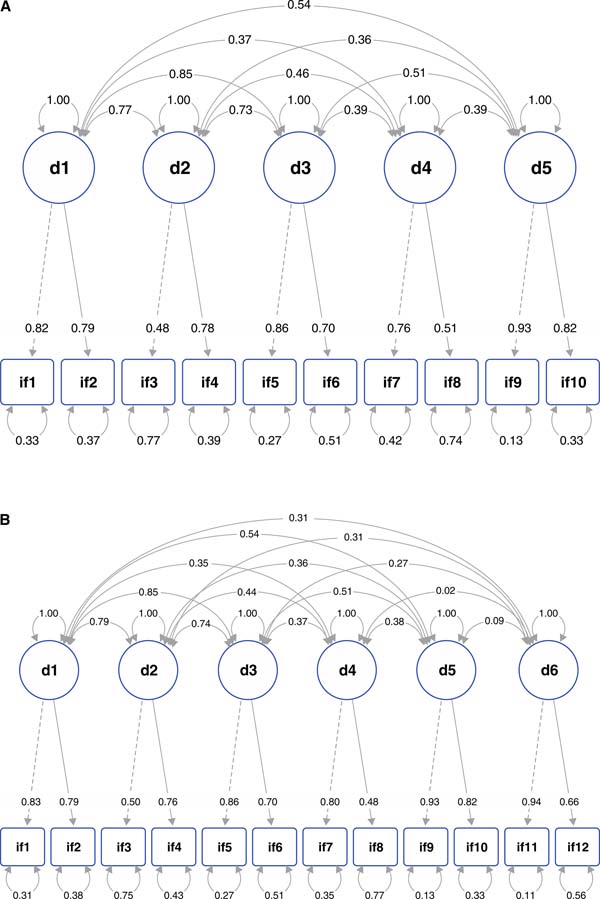
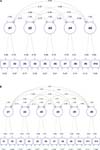
CFAs were carried out for this sample to confirm the results of the EFA conducted in the general-population sample. Three different CFAs were carried out for each scale: a unidimensional model, a six-factor (SFI) and a five-factor (FI) model, and higher-order models for both factors. The best-fit models for the FI and SFI were the five-factor (FI) and six-factor (SFI) models (Figures 1A and 1B), followed by the higher-order and the unidimensional models (Supplementary Material S2).
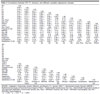
We have also assessed convergent validity for this sample, since we have more instruments available that could specifically correlate to the different dimensions of the Flourishing scales. We found that both scales were significantly correlated with a greater quality of life and with a lower level of depression and anxiety. Likewise, the different dimensions of the scales were correlated with theoretically similar scales: d1 (happiness and life satisfaction) significantly correlated with satisfaction of life (r = 0.70) and happiness (r = 0.46); d2 (mental and physical health) significantly correlated with psychological quality of life (r = 0.45), lower anxiety (r = -0.48), and lower depression (r = -0.39); d3 (meaning and purpose) significantly correlated with purpose of life (r = 0.67); d4 (character and virtue) significantly correlated with altruism (r = 0.30) and compassion (r = 0.34); d5 (close social relationships) significantly correlated with social quality of life (r = 0.65), social support (r = 0.55), and family APGAR (r = 0.29); and d6 (financial and material stability) significantly correlated with environmental quality of life (r = 0.31) (Table 3).
| SFI | 1.00 | ||||||||||||||||||||
| FI | 0.94*** | 1.00 | |||||||||||||||||||
| D1 | 0.76*** | 0.79*** | 1.00 | ||||||||||||||||||
| D2 | 0.67*** | 0.68*** | 0.51*** | 1.00 | |||||||||||||||||
| D3 | 0.76*** | 0.80*** | 0.64*** | 0.46*** | 1.00 | ||||||||||||||||
| D4 | 0.51*** | 0.57*** | 0.26*** | 0.28*** | 0.27*** | 1.00 | |||||||||||||||
| D5 | 0.65*** | 0.71*** | 0.45*** | 0.26*** | 0.43*** | 0.23*** | 1.00 | ||||||||||||||
| D6 | 0.58*** | 0.27*** | 0.27*** | 0.27*** | 0.24*** | 0.08 | 0.13* | 1.00 | |||||||||||||
| QoL Phys | 0.33*** | 0.33*** | 0.28*** | 0.46*** | 0.22*** | 0.13* | 0.14* | 0.15* | 1.00 | ||||||||||||
| QoL Env | 0.45*** | 0.40*** | 0.37*** | 0.30*** | 0.31*** | 0.11 | 0.32*** | 0.31*** | 0.41*** | 1.00 | |||||||||||
| PHQ-9 | -0.43*** | -0.44*** | -0.39*** | -0.39*** | -0.39*** | -0.13* | -0.29*** | -0.15* | -0.43*** | -0.36*** | 1.00 | ||||||||||
| GAD-7 | -0.45*** | -0.44*** | -0.35*** | -0.48*** | -0.36*** | -0.12 | -0.27*** | -0.24*** | -0.31*** | -0.34*** | 0.52*** | 1.00 | |||||||||
| QoL Psych | 0.62*** | 0.66*** | 0.60*** | 0.45*** | 0.66 | 0.27*** | 0.38*** | 0.18** | 0.35*** | 0.39*** | -0.48*** | -0.40*** | 1.00 | ||||||||
| Purpose of Life | 0.61*** | 0.65*** | 0.55*** | 0.35*** | 0.67*** | 0.37*** | 0.37*** | 0.16* | 0.24*** | 0.31*** | -0.39*** | -0.33*** | 0.66*** | 1.00 | |||||||
| MSPSS | 0.42*** | 0.41*** | 0.30*** | 0.11 | 0.28*** | 0.15* | 0.55*** | 0.19** | 0.20** | 0.40*** | -0.26*** | -0.14* | 0.30*** | 0.34*** | 1.00 | ||||||
| QoL SR | 0.45*** | 0.48*** | 0.34*** | 0.17** | 0.32*** | 0.15* | 0.65*** | 0.11 | 0.23*** | 0.32*** | -0.31*** | -0.24*** | 0.40*** | 0.36*** | 0.55*** | 1.00 | |||||
| APGAR | 0.23*** | 0.23*** | 0.24*** | 0.04 | 0.12 | 0.09 | 0.29*** | 0.12 | 0.06 | 0.33*** | -0.10 | -0.03 | 0.15* | 0.16** | 0.62*** | 0.27*** | 1.00 | ||||
| Altruism | 0.11 | 0.15* | 0.05 | 0.03 | 0.12 | 0.27*** | 0.06 | -0.06 | -0.04 | -0.01 | -0.05 | 0.01 | 0.10 | 0.21*** | 0.03 | 0.03 | 0.01 | 1.00 | |||
| Happiness | 0.47*** | 0.51*** | 0.46*** | 0.27*** | 0.43*** | 0.30*** | 0.34*** | 0.12 | 0.22*** | 0.20** | -0.22*** | -0.17** | 0.49*** | 0.57*** | 0.31*** | 0.33*** | 0.18** | 0.16* | 1.00 | ||
| Compassion | 0.18** | 0.24*** | 0.14* | 0.01 | 0.21*** | 0.34*** | 0.13* | -0.06 | 0.05 | 0.12 | -0.07 | -0.05 | 0.27*** | 0.32*** | 0.17** | 0.13* | 0.15* | 0.38*** | 0.23*** | 1.00 | |
| Satisfaction of Life | 0.66*** | 0.67*** | 0.70*** | 0.42*** | 0.60*** | 0.27*** | 0.40*** | 0.29*** | 0.27*** | 0.45*** | -0.35*** | -0.30*** | 0.59*** | 0.63*** | 0.36*** | 0.34*** | 0.29*** | 0.10 | 0.46*** | 0.20** | 1.00 |
| SFI | FI | D1 | D2 | D3 | D4 | D5 | D6 | QoL Phys | QoL Env | PHQ-9 | GAD-7 | QoL Psych | Purpose of Life | MSPSS | APGAR | QoL SR | Altruism | Happiness | Compassion | Satisfaction of Life |
APGAR = Adaptation, Partnership, Growth, Affection, and Resolve; D = domain; GAD-7 = Generalized Anxiety Disorder; MSPSS = Multidimensional Scale of Perceived Social Support; PHQ-9 = Patient Health Questionnaire; QoL Env = World Health Organization Quality of Life instrument (WHOQOL) Environment domain; QoL Phys = WHOQOL Physical; QoL Psych = WHOQOL Psychological; QoL SR = WHOQOL Social Relations.
* p < 0.05; ** p < 0.01; *** p < 0.001.
DISCUSSION
The present study aimed to translate and evaluate the main psychometric properties (reliability, factor structure, and construct validity) of the FI and SFI for Brazilian Portuguese-speaking populations, employing both exploratory and confirmatory factor analyses. The EFA, conducted in a general population sample revealed a five-factor solution for the FI and a six-factor solution for the SFI, with appropriate reliability and construct validity. Study 2 confirmed these factor structures using CFA in a sample of individuals with moderate depressive symptoms, further supporting the multidimensional nature of both scales. Construct validity was again supported, showing significant correlations with each dimension assessed by the Flourishing Indexes. These results highlight the appropriate psychometric properties of both scales and their utility for assessing flourishing in the Brazilian context.
Our findings align with those of previous validation studies carried out in other international contexts. Sattler et al.18 validated the German versions of the FI and SFI, focusing on capturing subjective well-being in the general population. Their study identified similar factor structures and appropriate psychometric properties. Oulevey Bachmann et al.19 validated the FI and SFI in French for undergraduate students, underscoring the adaptability of these scales to different languages, populations, and cultural contexts. Likewise, Weziak-Boalowolska et al.7 validated the SFI and FI in workplace settings in the United States, highlighting the instruments' sensitivity for measuring well-being in professional environments, while Stripp et al.17 showed the strength of the Danish versions of these scales in a convenience sample of young individuals, confirming their applicability in assessing well-being across diverse domains, such as mental health and quality of life. Those studies corroborate our findings, affirming the consistency of the FI and SFI across diverse settings for assessment of well-being worldwide. These cross-cultural validations provide evidence of the universal applicability of the FI and SFI in capturing the multidimensional aspects of flourishing.
Concerning the factor structure of the scales, our study found the five-factor (FI) and the six-factor (SFI) solutions were the best-fitting models, which is supported by the original validation of the instruments.7 Our findings also revealed that the sixth material dimension correlated weakly with the other scale dimensions, a finding also identified during Danish validation of the scale.17 This weak correlation can be explained by the nature of these questions, which focus more on socioeconomic characteristics and do not assess health, suggesting that material aspects may be less important for individuals to flourish.
Concerning construct validity, we found significant correlations between the FI and SFI dimensions and different mental health measures, quality of life, and psychosocial variables, consistent with previous studies. For instance, the happiness and life satisfaction dimension correlated strongly with subjective happiness and life satisfaction measures, and the meaning and purpose dimension correlated highly with the Purpose in Life scale. These findings align with those of Weziak-Bialowolska et al.,7 who showed the scales' ability to differentiate interrelated aspects of well-being.
Finally, the reliability measures were satisfactory, except for the character and virtue dimension (alpha = 0.60). Sattler et al.18 also found a slightly lower reliability in this dimension for some cultural contexts, suggesting potential cultural differences in interpreting these items.
The psychometric validation of the SFI and FI for Brazilian Portuguese-speaking populations adds culturally relevant tools for assessment of multidimensional well-being. Healthcare professionals and researchers can use them to capture key dimensions of flourishing, such as life satisfaction, purpose, and physical and mental health, in both general and clinical populations.
Given the strong correlations between FI/SFI dimensions and markers of quality of life and mental health, clinicians can employ these tools to identify specific areas of well-being that may require intervention. For example, a low score in the happiness and life satisfaction dimension might prompt strategies to foster positive emotions or life satisfaction, while deficits in the meaning and purpose dimension could guide therapeutic efforts toward enhancing existential fulfillment or setting meaningful goals.
Moreover, the factor structures confirmed in this study provide evidence that the FI and SFI are adaptable to Brazilian cultural contexts, reinforcing their relevance in diverse clinical settings, from primary care to specialized mental health services. Furthermore, their use in group-based or community interventions may help identify collective well-being trends, informing public health strategies to enhance population-level flourishing.
Strengths of this investigation included the use of two samples, one for exploratory and the other for confirmatory analyses, and the fact that the samples diverged in terms of baseline health, one being a general-population sample and the other consisting of individuals with mental health symptoms.
This study also has limitations that should be mentioned. First, although Study 1 used a general population sample, this sample was not representative of Brazil, preventing generalizability of our data. Additionally, assessment of test-retest reliability was not possible, and a future study should assess the consistency of the scales over time.
In conclusion, the Brazilian Portuguese versions of the FI and SFI demonstrated appropriate psychometric properties, enabling comprehensive assessments of flourishing in diverse contexts. These validated tools can be used to support flourishing research and evaluation of interventions targeting flourishing in Brazil.
SUPPLEMENTARY MATERIALS
Supplementary MaterialACKNOWLEDGEMENTS
Study 2 was funded by Fundação de Amparo à Pesquisa do Estado de São Paulo (FAPESP; grant 2022/05018-4) and by the John Templeton Foundation (grant 61302). JPBG received a scholarship from FAPESP (2023/11234-4). GL and HV are research productivity grantees of Conselho Nacional de Desenvolvimento Científico e Tecnológico (CNPq).
We thank Lucianne Valdívia, Leandro Pizutti, and Lucas Primo for their time and support in translating and back-translating the scale.
 PDF
 Print
 Send this article by email
 How to cite this article
 Submit a comment
 Mendeley
 Pocket
 Share on Facebook
 Share on Twitter



